Categories
Health & Wellness Hearing Devices

Behind-the-Ear Hearing Aids: User Experiences and Insights

Last Updated on 23/02/2026 by Admin

Comprehensive Guide to Behind-the-Ear Hearing Aids

Defining Key Features of BTE Hearing Aids

Behind-the-ear (BTE) hearing aids represent a significant advancement in auditory technology, designed to rest comfortably behind the ear while linking to a custom earpiece that fits perfectly inside the ear canal. These sophisticated devices utilize cutting-edge amplification technology to enhance sound reception, which is crucial for individuals dealing with hearing impairments. With a variety of customizable options available, users can select settings that align with their unique level of hearing loss and personal preferences, ensuring the best communication experience in diverse environments. The BTE design not only enhances sound clarity but also makes these aids effective for a broad spectrum of hearing challenges.

Equipped with features such as directional microphones, noise reduction capabilities, and wireless connectivity, BTE hearing aids effectively adapt to various listening environments—from tranquil rooms to vibrant public spaces—allowing users to engage confidently in conversations and social activities. The sturdy construction of these devices ensures durability and comfort, making them ideal for everyday use over long periods.

What Are the Power Options for BTE Hearing Aids?

BTE hearing aids offer multiple power options, including disposable batteries and rechargeable systems. Disposable batteries generally provide reliable power for several days, depending on usage patterns and device settings, while rechargeable models present the convenience of eliminating frequent battery changes. Users can simply place the hearing aids in a charging station overnight, ensuring they are ready for daily activities. This flexibility in power options benefits those with active lifestyles, minimizing maintenance interruptions and enhancing the overall user experience.

Recent advancements in battery technology have led to improved longevity, allowing users to enjoy their hearing aids without the constant concern of running low on power. The choice between disposable and rechargeable batteries often depends on personal preferences and lifestyle factors, with rechargeable options rapidly gaining popularity due to their sustainability and user-friendly nature.

How Has BTE Hearing Aid Technology Evolved Over Time?

The evolution of BTE hearing aids has been impressive, with ongoing technological advancements over recent decades. Early models were often bulky and restricted in functionality, but modern designs have become more streamlined and comfortable, incorporating digital enhancements that significantly improve sound processing. Today’s BTE aids leverage sophisticated algorithms and advanced signal processing to filter out background noise while amplifying critical sounds, providing users with a more natural hearing experience.

Moreover, innovations like Bluetooth connectivity have revolutionized how users interact with their hearing aids. This feature allows seamless integration with smartphones and other devices, enabling users to stream audio directly to their hearing aids. Consequently, individuals can enjoy music, phone calls, and other audio content without sacrificing sound quality. The ongoing evolution of BTE technology highlights a dedication to enhancing user experience, making these devices more reliable and accessible for a wide range of hearing challenges.

What Are the Benefits and Daily Applications of BTE Hearing Aids?

BTE hearing aids provide numerous key benefits that significantly elevate the quality of life for users. One major advantage is the enhanced sound clarity they deliver across various settings. Whether in a bustling restaurant or during a family gathering, these devices are meticulously designed to improve speech understanding, making social interactions more enjoyable. By effectively amplifying sounds while simultaneously reducing background noise, users can engage more comfortably in conversations, ultimately nurturing stronger relationships.

The daily applications of BTE hearing aids extend beyond mere social interactions. Many users report increased confidence in navigating diverse environments, such as attending lectures, participating in group discussions, or enjoying cultural events. The customizable settings available allow users to tailor their hearing experience to specific situations, promoting greater independence. In addition to enhancing communication, BTE aids also support users in various hobbies, such as listening to music or watching television, ensuring they remain fully engaged in their interests.

How to Maintain and Troubleshoot Your BTE Hearing Aids?

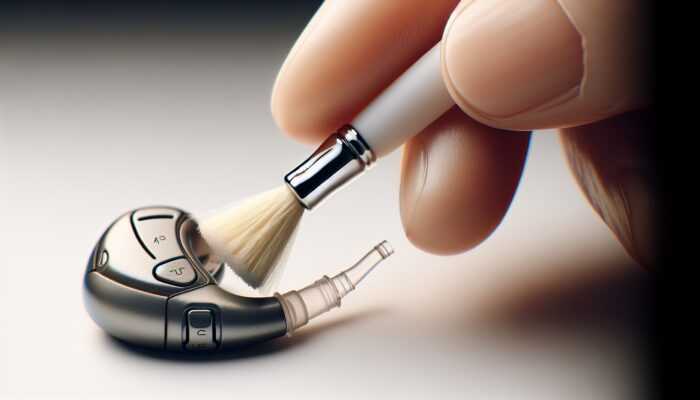
Maintaining BTE hearing aids involves a few straightforward steps that can significantly prolong their lifespan and performance. Regular cleaning is crucial to eliminate earwax buildup, which can block sound pathways and diminish sound quality. Users should also routinely check for connectivity issues, especially for those with Bluetooth capabilities, to guarantee seamless operation. A proper fit is another essential factor; an ill-fitting device may lead to discomfort and reduced effectiveness, emphasizing the importance of periodic adjustments as needed.

  • Clean the device consistently with a soft, dry cloth.
  • Regularly check battery levels and replace them as necessary.
  • Store the hearing aids in a protective case when not in use.
  • Schedule regular appointments with an audiologist for professional maintenance.
  • Ensure the earpiece fits snugly yet comfortably in the ear.
  • Keep the devices away from moisture and extreme temperatures.
  • Utilize a dehumidifier to prevent moisture damage.
  • Follow the manufacturer’s guidelines for specific cleaning and maintenance procedures.

Common troubleshooting issues include feedback noise, which can often be resolved by adjusting the fit of the device or reprogramming the settings. Users should also monitor for low battery alerts and know how to address them promptly to maintain optimal performance. By practicing routine maintenance and addressing minor issues, users can enjoy a consistent and effective hearing experience for years to come.

Exploring the Key Advantages of BTE Hearing Aids

What Contributes to the Durability of BTE Hearing Aids?

The durability of BTE hearing aids stands out as one of their most appealing features, engineered to withstand the demands of everyday life. Constructed from high-quality materials, these devices resist wear from humidity, temperature fluctuations, and physical impacts, which is particularly essential for users with active lifestyles. Such robust construction guarantees that the aids can endure daily challenges without compromising performance, making them a reliable choice for long-term use.

Moreover, the design of BTE hearing aids facilitates easier component replacement if necessary, contributing to their longevity. Users can enjoy peace of mind knowing that their devices are less prone to damage compared to more delicate models. This durability not only minimizes the frequency of replacements but also enhances overall satisfaction by providing users with a dependable tool that can keep pace with their active lives.

How Easy Is It to Use BTE Hearing Aids in Daily Activities?

BTE hearing aids are designed for user-friendliness, allowing individuals to incorporate them seamlessly into their daily routines. The intuitive controls and lightweight designs facilitate quick adjustments without requiring extensive training or complicated navigation. This simplicity is particularly advantageous for those who may be new to hearing aids, ensuring they can effectively utilize the technology from day one.

Furthermore, the lightweight nature of these devices allows for comfortable wear over extended periods, enabling continuous use throughout various daily activities. Whether engaging in conversations, participating in meetings, or enjoying leisure pursuits, users can do so without the burden of cumbersome equipment. This ease of use fosters greater independence, encouraging individuals to embrace social interactions and maintain their vibrant lifestyles.

What Accessories Are Compatible with BTE Hearing Aids?

The compatibility of BTE hearing aids with various accessories greatly enhances their functionality. Modern models frequently feature Bluetooth connectivity, enabling users to connect their aids directly to smartphones, televisions, and other media devices. This integration offers a more immersive audio experience, whether listening to music, watching movies, or making phone calls. The capability to stream audio directly into the hearing aids simplifies the listening process, providing users with clearer and more enjoyable sound.

Additionally, certain BTE hearing aids are compatible with assistive listening devices, such as FM systems and loop systems, which can be especially advantageous in challenging listening environments like classrooms or auditoriums. This compatibility ensures that users can access high-quality sound regardless of the situation, further enhancing their auditory experience. As technology continues to evolve, the potential for accessory integration with BTE hearing aids expands, promising even greater adaptability for users worldwide.

What Is Advanced Sound Processing Technology in BTE Hearing Aids?

The integration of advanced sound processing technology is a defining characteristic of modern BTE hearing aids. Utilizing sophisticated algorithms, these devices can effectively differentiate between various sounds, thereby filtering out background noise while amplifying speech and other vital sounds. This feature is particularly beneficial in noisy environments, where traditional hearing aids may struggle to deliver clarity.

Consequently, users can enjoy a more natural listening experience, minimizing auditory fatigue often caused by competing sounds. The technology behind these aids continuously adapts to the user’s environment, optimizing sound quality based on the specific context, whether in a lively café or a quiet room. This adaptability not only enhances communication but also encourages greater social engagement, allowing users to participate fully in conversations without the frustration of misunderstanding or missing critical cues.

How Do Customizable Fitting Options Enhance BTE Hearing Aids?

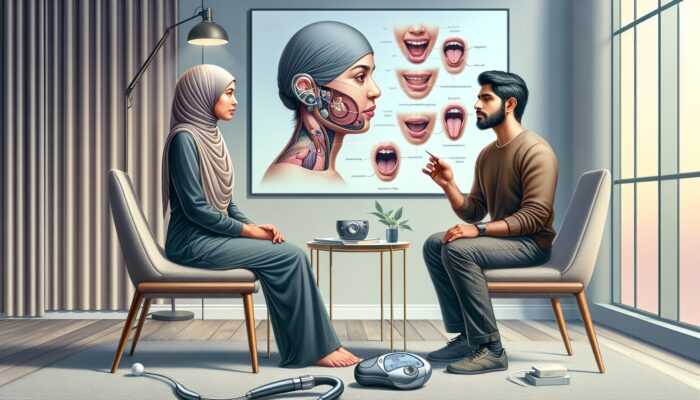
Customizable fitting options are vital to ensuring that BTE hearing aids meet each user’s needs effectively. Every individual’s hearing loss profile is unique, necessitating a tailored approach to fitting and adjustment. Many audiologists recommend an initial fitting followed by adjustments based on user feedback to maximize comfort and effectiveness. This personalized process can significantly enhance user satisfaction, as it addresses specific auditory requirements and preferences.

Additionally, many modern BTE devices offer app-based controls that empower users to make adjustments independently. Users can modify settings for different environments or preferences at their fingertips, providing a sense of control that enhances the overall experience. This level of customizability not only promotes better adaptation to the aids but also contributes to long-term satisfaction, as users feel their unique needs are being met effectively.

How Do BTE Hearing Aids Operate?

What Are the Basic Principles Behind Their Functionality?

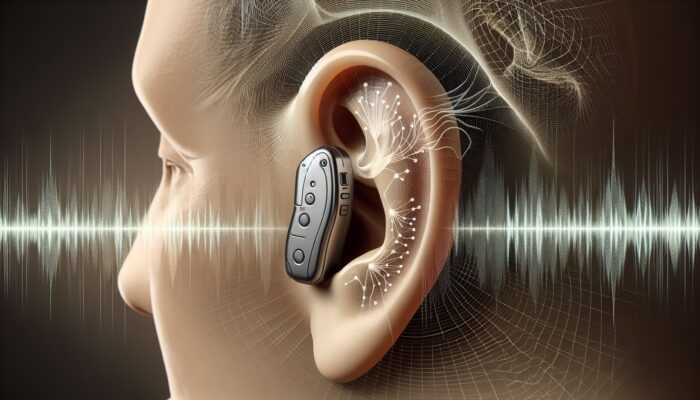
The fundamental principles of BTE hearing aids center around the efficient capture and amplification of sound. Initially, sound waves are captured by a microphone located within the hearing aid, which converts these waves into electrical signals. These signals are processed through internal components, including amplifiers and digital signal processors, which enhance the specific frequencies required based on the user’s hearing loss profile.

Once processed, the signals are transmitted to a receiver that delivers the amplified sounds directly into the ear canal, ensuring clear sound reception. This intricate process allows users to experience sound in a more enriched and accessible manner, catering specifically to their hearing needs. As technology evolves, newer models continue to refine and optimize these processes, enhancing user experience and satisfaction with each iteration.

What Common Adaptations Do Users Make?

Common user adaptations refer to the ways individuals modify their hearing aid settings to better suit different environments. Many users quickly learn to adjust volume levels or switch to specific programs designed for various situations, such as quiet settings, busy public places, or intimate conversations. These adaptations are crucial for optimizing sound clarity and comfort, allowing users to enjoy a more tailored listening experience.

Furthermore, some users develop routines regarding when and how they adjust their devices, such as lowering the volume in quieter settings to avoid overwhelming sound or utilizing noise reduction features in bustling environments. User feedback and experiences play an integral role in these adaptations, guiding modifications that enhance the overall effectiveness of the aids while promoting independence and confidence in social interactions. By understanding and utilizing these practical adjustments, users can significantly improve their auditory experiences.

Key Internal Mechanisms of BTE Hearing Aids

BTE hearing aids comprise several essential internal mechanisms that work cohesively to provide effective sound amplification and clarity. These components include:

  • Microphones: Capture sound waves from the surrounding environment.
  • Amplifiers: Increase the strength of the electrical signals generated by the microphones.
  • Digital Signal Processors (DSP): Analyze and modify sound signals to enhance clarity and minimize noise.
  • Receivers: Convert amplified electrical signals back into sound waves delivered to the ear.
  • Batteries: Provide the necessary power for all components to function effectively.
  • Controls: Allow users to adjust settings for personalized sound experiences.
  • Feedback Management Systems: Help minimize whistling or feedback sounds that can occur with hearing aids.
  • Wireless Technology: Enables connectivity to other devices for streaming audio and phone calls.

These mechanisms collaborate to ensure that users achieve a seamless and enjoyable listening experience, addressing various auditory needs without overwhelming the senses. By understanding the intricate workings of these components, users can appreciate the technology behind their devices and make informed decisions regarding their hearing health.

Expert Insights on the Benefits and Drawbacks of BTE Hearing Aids

What Steps Should You Take When Selecting BTE Hearing Aids?

Selecting the right BTE hearing aid involves several actionable steps that can significantly influence user satisfaction. Firstly, it’s crucial to consult with an audiologist or hearing specialist who can comprehensively evaluate individual hearing needs. This professional assessment will guide users in understanding their hearing loss severity and identifying suitable models that address those requirements.

After the initial evaluation, users should take time to test different models for fit and sound quality. Many providers offer trial periods, allowing users to experience the aids in real-world settings before making a purchase decision. Feedback from family members or friends during this testing phase can also provide invaluable insights into how well the device performs in social interactions. By gathering this information, users can make informed decisions based on practical experiences rather than solely relying on product specifications.

What Are the Key Advantages from a Professional Perspective?

From a professional viewpoint, BTE hearing aids offer numerous advantages that contribute to their popularity among users with moderate to severe hearing loss. One key benefit is their superior sound directionality; the design of these aids enhances the user’s ability to pinpoint sound sources, which is particularly valuable in social settings where understanding conversations is paramount.

Moreover, the ease of adjustment provided by BTE aids allows users to fine-tune their experience based on specific environments, ensuring optimal sound quality at all times. Many audiologists note that the long-term value of BTE aids is significant, as they can adapt to changing hearing needs over time. This adaptability, coupled with the technological advancements integrated into modern designs, makes BTE hearing aids a worthwhile investment for many individuals seeking improved hearing solutions.

What Expert Insights Can Be Offered on Fitting BTE Hearing Aids?

Expert analysis on the fitting of BTE hearing aids underscores the importance of achieving a proper fit for optimal performance and comfort. A well-fitted hearing aid minimizes issues such as feedback noise, which can be distracting and detrimental to the user’s experience. Audiologists often emphasize that proper fitting involves not only adjusting the device’s positioning behind the ear but also ensuring the earpiece is comfortably secured in the ear canal.

Additionally, personalized adjustments made during follow-up appointments can further enhance the fitting experience, allowing audiologists to address specific concerns based on user feedback. Continuous communication between the user and the audiologist is essential for maximizing the benefits of the device while minimizing potential drawbacks. By prioritizing proper fitting and regular consultations, users can enhance their overall experience with BTE hearing aids, making them more effective and comfortable for daily use.

What Are the Common Drawbacks of BTE Hearing Aids?

How Do BTE Hearing Aids Affect Appearance?

While BTE hearing aids are practical and effective, their visibility can sometimes lead to self-consciousness among users. These devices, although designed to be sleek and less obtrusive compared to older models, are still worn externally, which may cause some individuals to feel self-conscious about their appearance. However, modern designs have made significant strides in aesthetics, offering a variety of styles and colors that cater to diverse personal tastes.

Users have the option to select styles that blend more seamlessly with their hair or skin tone, helping to minimize visibility. For those particularly concerned about aesthetics, discussing options with an audiologist can yield solutions that balance functionality with visual preferences. Ultimately, the choice of a hearing aid should consider both effectiveness and personal comfort with appearance.

Is Maintenance Challenging for BTE Hearing Aids?

Maintenance of BTE hearing aids requires some routine care, which might initially seem daunting for new users. However, adhering to simple guidelines can make this process manageable. Regular cleaning is essential to prevent earwax buildup and ensure that sound pathways remain unobstructed. Users should also frequently check battery levels and keep spare batteries available to avoid interruptions in use.

  • Gently clean the microphone and receiver openings with a soft brush.
  • Store the hearing aids in a dry environment when not in use to prevent moisture damage.
  • Replace batteries based on usage patterns, keeping track of usage to anticipate changes.
  • Follow manufacturer guidelines for cleaning products to avoid damaging the device.
  • Schedule regular check-ups to ensure optimal performance and address any potential issues.
  • Use a protective case to avoid physical damage when transporting the devices.
  • Educate oneself on troubleshooting common problems to resolve issues promptly.
  • Seek professional assistance for repairs or deeper cleaning when necessary.

By establishing a routine and understanding maintenance requirements, users can ensure their hearing aids function effectively over time, significantly reducing the likelihood of performance issues.

What Potential Discomfort Factors Should Users Consider?

While BTE hearing aids are designed for comfort, some users may experience discomfort factors such as weight or pressure on the ear. Prolonged wear can lead to irritation, especially if the device does not fit well or if the user is not accustomed to wearing hearing aids. However, many individuals find that with gradual adjustment and professional fitting, these discomforts can be minimized.

Additionally, alternative models or customized fittings can alleviate pressure points, enhancing overall comfort for extended use. Audiologists often recommend trying different styles to find the best fit for each individual’s ear shape and size. Ensuring the device is properly fitted and considering alternative options can help users enjoy the benefits of their hearing aids without discomfort.

What Are the Financial Implications of BTE Hearing Aids?

The financial implications of purchasing BTE hearing aids can be a significant concern for many users. The initial cost of the devices, combined with ongoing expenses such as batteries, maintenance, and potential replacements, can create a financial burden. However, various financial aid options, insurance coverage, and payment plans are available to help alleviate these costs, making BTE hearing aids more accessible to a wider audience.

Many audiologists are also willing to work with patients to find financing solutions that fit their budgets. Users may explore government assistance programs or nonprofit organizations that offer support for hearing devices. By understanding the financial landscape and available resources, individuals can make informed decisions about investing in their hearing health while effectively managing costs.

Research-Backed Benefits of BTE Hearing Aids: Pros and Cons

What Real-World Examples Demonstrate Their Effectiveness?

Research has consistently demonstrated the effectiveness of BTE hearing aids in enhancing speech recognition, particularly in group settings. Studies indicate that users of BTE aids experience heightened social engagement, as these devices often include features such as noise reduction that facilitate clearer communication in everyday scenarios. This improvement in speech understanding can lead to more meaningful interactions, thereby enriching the user’s social life.

For instance, individuals attending community events or family gatherings frequently report feeling more connected and involved, as they can follow conversations without struggling to hear. This active participation can also result in improved mental health outcomes, as social isolation is significantly reduced when users can engage comfortably in group dynamics. Such real-world examples reinforce the value of BTE hearing aids in promoting not only auditory health but also overall well-being.

What Long-Term Advantages Have Been Identified?

The long-term benefits of using BTE hearing aids extend beyond immediate sound improvement; research indicates that consistent use can contribute to sustained hearing enhancement and reduced cognitive strain. By facilitating clearer communication, these aids support cognitive functions that may decline due to untreated hearing loss. Studies suggest that individuals who regularly use hearing aids experience lower rates of cognitive decline compared to those who do not, emphasizing the importance of proactively addressing hearing loss.

Moreover, as users adapt to their aids, many report increased confidence in their hearing abilities, leading to greater participation in activities and social events over time. This sustained engagement not only strengthens social connections but also fosters a sense of accomplishment and independence, further enhancing the device’s long-term benefits. Regular use of BTE hearing aids thus becomes a critical element in maintaining both auditory health and cognitive function as individuals age.

What Limitations Should Users Be Aware Of?

While BTE hearing aids offer significant advantages, experts acknowledge certain limitations that users should consider. One notable limitation is battery life; despite advancements in technology, the need for regular battery replacements can pose an inconvenience for some users. Additionally, environmental factors, such as humidity and temperature, can impact battery performance and overall device reliability.

Experts recommend strategies to mitigate these limitations, such as opting for rechargeable models that eliminate the need for frequent battery changes. Users should also be educated on effectively managing battery life, such as turning off their devices when not in use and storing them in optimal conditions. By understanding these limitations and employing proactive strategies, users can enhance their overall experience and maintain reliable performance from their BTE hearing aids.

Is BTE Hearing Aid Technology Suitable for Everyone?

What Factors Influence Suitability for BTE Hearing Aids?

Multiple factors influence the suitability of BTE hearing aids for individual users. Personal hearing levels are a primary consideration, as these aids are most effective for individuals with moderate to severe hearing loss. The type of hearing loss, whether conductive or sensorineural, also plays a crucial role in determining if BTE aids will meet a user’s needs.

Additionally, lifestyle factors significantly impact suitability. For example, individuals with active lifestyles may benefit more from the durability and functionality of BTE aids compared to those who are less active. It is vital for users to assess their hearing needs alongside their daily activities to determine if BTE hearing aids will effectively support their lifestyle. Consultation with a hearing specialist can provide valuable insights into suitability, ensuring that users select the most appropriate hearing solution for their unique circumstances.

What Common Challenges Do Specific Users Face?

Individuals with very active lifestyles or severe hearing loss may encounter specific challenges when using BTE hearing aids. For active users, the potential for damage due to sweat or moisture exposure can be a concern, necessitating considerations for water-resistant models or additional protective measures. Furthermore, users with severe hearing loss may find that while BTE aids enhance their experiences, they require further support, such as additional assistive listening devices, to achieve optimal sound quality in challenging environments.

Identifying these challenges early on can help users make informed decisions about the best hearing aids for their unique needs. Engaging in discussions with audiologists can provide tailored solutions, ensuring that users receive the necessary support to navigate their specific challenges effectively. With the right strategies and devices, even those facing difficulties can harness the benefits of BTE hearing aids.

What Alternatives Should Be Considered?

When BTE hearing aids are not ideal for certain users, various alternatives can provide better fits based on individual hearing and comfort preferences. For example, in-the-ear (ITE) hearing aids may be more suitable for individuals seeking less visibility, as they fit directly in the ear canal. These models can deliver excellent sound quality, particularly for those with mild to moderate hearing loss.

Another alternative to consider is the use of cochlear implants for individuals with profound hearing loss, which bypass the damaged portions of the ear and directly stimulate the auditory nerve. Additionally, users may explore bone-anchored hearing aids or even assistive listening devices that enhance sound in specific environments without requiring traditional hearing aids. By evaluating these alternatives, users can find solutions that better align with their hearing needs and lifestyle preferences, ultimately ensuring a more satisfying auditory experience.

Essential Considerations for Choosing BTE Hearing Aids

How to Assess Cost and Value?

When evaluating BTE hearing aids, a comprehensive cost and value assessment is crucial. The initial purchase price should be weighed against features such as durability, technology, and warranty options. Users must consider how the investment aligns with their long-term hearing support needs, making it essential to assess the overall value of the devices rather than focusing solely on upfront costs.

Moreover, potential users should inquire about warranty coverage and any additional expenses associated with maintenance and repairs. By understanding the total cost of ownership, individuals can make informed decisions that not only address their immediate hearing needs but also their financial situation over the long term. This thorough evaluation will help ensure that users select devices that provide significant value over time.

What User Feedback Indicates About Performance?

User feedback plays a vital role in assessing the performance of BTE hearing aids. Insights from real-world experiences often highlight how sound quality influences overall satisfaction. Many users report that clear sound quality, ease of adjustments, and comfort are among their top priorities when using hearing aids. This feedback is invaluable for potential users, as it can guide their choices and help them focus on models that have received positive reviews from current users.

Listening to the experiences of others can also provide insights into specific challenges, such as issues with battery life or comfort, which may influence selection. It is essential for potential users to engage with existing communities, whether online or in-person, to gather diverse perspectives that inform their decision-making process. By considering user feedback, individuals can select BTE hearing aids that are well-regarded for their performance and efficacy.

What Are the Future-Proofing Options for BTE Hearing Aids?

Future-proofing options are crucial when selecting BTE hearing aids, as advancements in technology can significantly impact the longevity and adaptability of devices. Users should consider models that offer upgradable features, allowing for enhancements in sound processing, connectivity, and functionality as technology evolves. Some manufacturers provide options for software updates, which can improve performance and incorporate the latest advancements without necessitating a complete device replacement.

By investing in hearing aids with future-proofing capabilities, users can extend the usefulness of their devices, ensuring they remain effective over time. As hearing needs change with age or lifestyle adjustments, having adaptable aids becomes increasingly important. Engaging in discussions with audiologists regarding future-proofing options will empower users to make informed choices that align with their long-term hearing health objectives.

What Role Do Comfort and Fit Play?

Ensuring that BTE hearing aids fit comfortably and securely is essential for all-day wear. A poor fit can lead to irritation or reduced effectiveness, ultimately detracting from the user experience. Factors such as size, weight, and material should be carefully evaluated to match individual preferences and anatomical needs. Audiologists play a crucial role in assessing fit and making necessary adjustments to enhance comfort.

Users should also consider their lifestyle when evaluating fit; for instance, individuals who lead active lives may prefer lighter models that cause less fatigue during extended wear. Additionally, discussing the option of custom ear molds can provide a more tailored fit for individual ear shapes, enhancing comfort and stability. By prioritizing comfort and fit, users significantly improve their compliance and satisfaction with BTE hearing aids, ensuring they can enjoy the full benefits of improved hearing throughout their day.

Frequently Asked Questions About BTE Hearing Aids

What Are the Key Advantages of Behind-the-Ear Hearing Aids?

Behind-the-ear hearing aids provide superior sound directionality, durability, and ease of use, making them ideal for individuals with moderate to severe hearing loss. Customizable options further enhance user satisfaction.

How Often Should I Clean My Hearing Aids?

Regular cleaning is recommended, ideally every day. Simple daily maintenance helps prevent earwax buildup and ensures optimal performance of the devices over time.

Are Rechargeable Batteries Worth It?

Rechargeable batteries are becoming increasingly popular due to their convenience, eliminating the need for frequent replacements and ensuring that hearing aids are always ready for use.

Can I Wear My Hearing Aids While Exercising?

Yes, many BTE hearing aids are designed to withstand moisture and are suitable for wear during exercise. However, users should consider models with water-resistant features for added protection.

What Should I Do If My Hearing Aid Is Uncomfortable?

If discomfort arises, consult your audiologist for adjustments. They can modify the fit or recommend alternatives that better match your comfort needs.

How Can I Extend the Lifespan of My Hearing Aids?

Regular maintenance, proper storage, and timely battery replacements can significantly extend the lifespan of hearing aids, ensuring they remain effective and reliable over time.

Are There Financial Assistance Options Available for Hearing Aids?

Yes, many insurance plans cover hearing aids, and financial aid options are available through various organizations and audiologists to help offset costs.

What Types of Activities Are Best Suited for Behind-the-Ear Hearing Aids?

BTE hearing aids are versatile and suitable for a range of activities, including social interactions, attending events, and engaging in hobbies like listening to music or watching television.

Can I Use My Hearing Aids with My Smartphone?

Yes, many modern BTE hearing aids come equipped with Bluetooth connectivity, allowing users to stream audio directly from their smartphones for calls and music.

What Should I Consider When Choosing a Hearing Aid Style?

Consider factors such as the severity of hearing loss, lifestyle needs, aesthetic preferences, and comfort when selecting the best hearing aid style for your individual requirements.

Discover our world on X today!

The post Behind-the-Ear Hearing Aids: User Experiences and Insights appeared first on The Microsuction Ear Wax Removal Network.

Categories
Ear Health Health & Wellness

Ear Drum Perforation: A Guide to Symptoms and Identification

Last Updated on 23/02/2026 by Admin

Comprehensive Guide to Understanding Ear Drum Perforation

Explore the Anatomy of the Ear for Better Insight

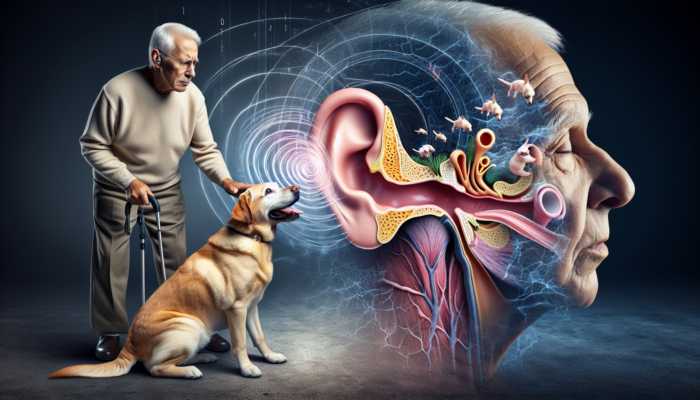
The ear is an intricate organ essential for both hearing and balance, consisting of three primary regions: the outer ear, middle ear, and inner ear. Gaining knowledge about these components is vital for understanding how ear drum perforation occurs. The outer ear serves to collect sound waves, the middle ear transmits sound vibrations, and the inner ear converts these vibrations into nerve signals that the brain interprets as sound. Key structures of the ear include:

  • Pinna: The visible external part that captures sound waves effectively.
  • Ear Canal: A channel leading to the tympanic membrane (eardrum).
  • Tympanic Membrane: Commonly known as the eardrum, it vibrates in response to sound.
  • Ossicles: Three small bones (malleus, incus, stapes) that amplify sound vibrations.
  • Eustachian Tube: Connects the middle ear to the throat, playing a crucial role in equalizing pressure.
  • Inner Ear Structures: Encompassing the cochlea and vestibular system, vital for hearing and balance.

What Factors Contribute to Ear Drum Perforation?

Ear drum perforation can arise from a variety of factors, frequently resulting from injury, infection, or rapid changes in pressure. Typical causes include accidents involving foreign objects, severe ear infections, or exposure to sudden loud noises that could harm the tympanic membrane. Adopting preventive measures, such as refraining from inserting objects into the ear, practicing safe swimming techniques, and managing allergies effectively, can significantly lower the risk of perforation. By being aware of these potential causes, individuals can take proactive steps to safeguard their ear health.

What are the Key Symptoms to Monitor in Daily Life?

Recognizing the initial symptoms of a perforated ear drum is crucial for prompt medical intervention. Important indicators include sharp pain in the ear, a sensation of fullness, and noticeable changes in hearing capabilities. Additional warning signs may encompass discharge from the ear, which could manifest as fluid or pus, and a sudden decline in hearing ability. By remaining vigilant for these symptoms, individuals can ensure that any potential issues are addressed swiftly, thereby avoiding further complications and preserving overall ear health.

How is Ear Drum Perforation Diagnosed by Professionals?

The diagnosis of an ear drum perforation typically involves a thorough evaluation conducted by a qualified healthcare professional. Initial physical examinations are essential, where the physician will utilize an otoscope to visually inspect the ear for any visible ruptures in the tympanic membrane. Further assessments may incorporate hearing tests to determine the extent of hearing loss and, in certain cases, advanced imaging techniques such as tympanometry or CT scans to assess the health of surrounding structures. Timely identification through these methods is key to preventing complications, including chronic infections and prolonged hearing loss.

What Treatment Options Exist for Ear Drum Perforation?

The treatment for a perforated ear drum can differ significantly based on the severity and underlying cause of the perforation. Common options include the administration of medications, such as antibiotics to address ear infections, and patching techniques that involve applying a paper patch to promote healing. In more severe scenarios, surgical interventions like tympanoplasty may be necessary to repair the eardrum. Developing personalized care plans is essential, taking into account individual health needs and medical history. Consulting with specialists can enhance recovery outcomes significantly, ensuring that the ear drum heals correctly and that auditory function is restored effectively.

Identifying Common Causes and Risk Factors for Ear Damage

What Factors Increase the Risk of Ear Drum Damage?

Numerous factors contribute to the likelihood of ear drum perforation, including rapid fluctuations in air pressure experienced during activities such as air travel or scuba diving. Other contributing elements involve chronic ear infections, which can weaken the ear drum over time. Exposure to loud noises or trauma from physical injuries can also heighten the risk of damage. Understanding these risk factors enables individuals to take proactive measures to protect their ear health effectively, promoting overall well-being.

How Do Infections Contribute to Ear Drum Perforation?

Untreated ear infections are among the leading causes of ear drum perforation. If infections progress, the accumulation of fluid and pressure can result in the rupture of the tympanic membrane. Maintaining good ear health through proper hygiene practices, such as regular cleaning and promptly seeking medical attention for persistent symptoms, is vital for preventing infections that could lead to perforation. Awareness and proactive measures can significantly reduce the risk of developing serious ear complications.

What Preventive Measures Can Everyone Take?

Implementing preventive strategies can dramatically decrease the risk of ear drum perforation. Simple yet effective practices include:

  • Regular Ear Hygiene: Keeping ears clean and free from excess moisture can prevent infections.
  • Avoiding Insertion of Objects: Staying away from using cotton swabs or other objects in the ear canal can reduce injury risks.
  • Managing Allergies: Effectively controlling allergies can prevent inflammation and subsequent infections.
  • Wearing Ear Protection: Utilizing earplugs in noisy environments is crucial for protecting against excessive noise exposure.

By incorporating these strategies into daily routines, individuals can enhance their ear health and significantly minimize the risk of perforation.

What Symptoms Should You Recognize as Indicators of Ear Drum Perforation?

Which Early Warning Signs Should You Be Aware Of?

Recognizing the early warning signs of a perforated ear drum is pivotal for ensuring prompt medical intervention. Symptoms can vary, ranging from mild discomfort to more pronounced indicators like discharge from the ear or noticeable changes in hearing capabilities. The presence of blood or clear fluid may also suggest a perforation, necessitating immediate medical evaluation. Understanding these symptoms can facilitate timely care and effectively prevent further complications.

How Does Pain Manifest in Cases of Ear Drum Perforation?

Pain associated with an ear drum perforation can vary widely among individuals. It often presents as a sharp, sudden pain that may diminish as the perforation develops. Pain levels can fluctuate, and types may include:

  • Sharp Pain: Sudden and intense, typically felt at the moment of perforation.
  • Dull Throbbing: Common as inflammation sets in following the initial pain.
  • Intermittent Pain: Pain that comes and goes, indicating pressure changes or infection.
  • Radiating Pain: Discomfort that spreads to the jaw or teeth, signaling a potentially more serious issue.

Monitoring pain levels and their progression is crucial for determining the need for medical attention, ensuring that treatment is sought when necessary.

What is the Impact of a Perforated Ear Drum on Hearing Abilities?

A perforated ear drum can significantly impair hearing abilities, leading to conductive hearing loss, where sound vibrations are not transmitted effectively through the ear. Individuals may experience muffled or distorted sounds, making daily activities challenging. It is essential to monitor any changes in hearing, as early recognition allows for timely intervention to restore auditory function, thereby improving quality of life.

Expert Strategies for Identifying an Ear Drum Perforation

What Key Diagnostic Techniques Are Used?

Accurately identifying an ear drum perforation requires a combination of established diagnostic techniques. Healthcare professionals typically employ several methods, including a thorough otoscopic examination, where a lighted instrument allows for visualization of the ear and identification of any ruptures. Additional assessments like audiometry can evaluate the extent of hearing loss. The integration of these diagnostic techniques ensures a comprehensive understanding of the condition, enabling effective treatment plans and better patient outcomes.

What Do Professionals Look For During Diagnosis?

When assessing for an ear drum perforation, healthcare professionals begin with a detailed visual inspection of the ear canal and tympanic membrane. Indicators such as redness, swelling, or observable holes in the membrane are critical findings. Real-world examples demonstrate that trained professionals can often detect perforations during routine examinations, underscoring the importance of regular ear check-ups for early identification and treatment of ear health issues.

What Advanced Detection Methods Are Available?

In cases where initial assessments yield inconclusive results, healthcare providers might utilize advanced detection methods. These can include imaging techniques such as CT scans or MRI, which offer detailed views of ear structures and assist in evaluating any underlying issues. Furthermore, specialized tests like tympanometry measure the movement of the eardrum and can confirm perforation, ensuring a thorough and accurate evaluation of the condition.

How Can You Conduct a Home Diagnosis for Ear Drum Perforation?

What Simple Self-Checks Can Indicate Symptoms?

While it is always advisable to seek professional help for precise diagnosis, simple self-checks can provide initial insights into potential issues. Individuals can look for symptoms such as ear pain, fluid discharge, or noticeable changes in hearing ability. Evaluating these signs can guide individuals in determining when to pursue medical attention, emphasizing the importance of self-awareness in maintaining ear health and addressing potential concerns early on.

What Home Remedies Might Provide Relief?

For those experiencing mild symptoms, several home remedies may offer temporary relief while awaiting professional evaluation. Supportive measures include:

  • Resting: Allowing time for the ear to heal without exertion is crucial.
  • Warm Compress: Applying warmth to the affected ear may alleviate discomfort and promote healing.
  • Over-the-Counter Pain Relief: Using pain relievers like ibuprofen or acetaminophen can help manage pain effectively.
  • Hydration: Staying adequately hydrated supports overall health and can aid in recovery.

While these practices can assist in managing symptoms, they should not replace professional medical advice, particularly if symptoms persist.

What Are the Limitations of Home Diagnosis?

Although self-assessment can be beneficial for recognizing symptoms, it has clear limitations. Home diagnosis may not capture the full extent of the issue, especially if there are underlying complications that require professional attention. When symptoms persist or worsen, it is crucial to seek a professional evaluation to prevent potential long-term effects, ensuring that individuals receive the appropriate treatment necessary for healing.

How Can Tracking Symptoms Over Time Help?

Maintaining a detailed journal of symptoms can be incredibly advantageous for individuals who suspect a perforated ear drum. Recording aspects such as the frequency, duration, and intensity of symptoms aids in identifying patterns and triggers. This method provides valuable information for healthcare providers during consultations, enhancing their understanding of the condition and improving self-awareness in managing ear health effectively.

Research-Backed Benefits of Timely Identification of Ear Drum Perforation

What Are the Advantages of Early Detection?

Prompt identification of an ear drum perforation can avert numerous complications, including chronic infections and permanent hearing loss. For example, individuals who seek immediate treatment often experience improved outcomes and quicker recovery times. Real-world instances illustrate that awareness and rapid action can lead to successful healing, reinforcing the significance of vigilance in maintaining ear health.

How Can Early Intervention Lead to Long-Term Health Improvements?

Early intervention in cases of ear drum perforation can yield substantial long-term health benefits. Restored hearing capabilities and a reduced risk of chronic issues are among the positive outcomes associated with prompt diagnosis and treatment. Maintaining ear health following identification involves regular check-ups and implementing preventive measures, ensuring sustained auditory function and overall well-being for individuals.

What Potential Complications Should Be Avoided?

If left untreated, a perforated ear drum can lead to severe complications such as persistent ear infections, hearing loss, and even balance problems. Recognizing these risks emphasizes the importance of seeking prompt medical attention and being aware of symptoms, fostering a proactive approach to ear health management and significantly improving quality of life.

When Is It Necessary to Seek Professional Help?

What Signs Indicate Immediate Medical Attention is Required?

Certain signs indicate the necessity for immediate professional evaluation. Symptoms such as severe pain, sudden hearing loss, or the presence of blood or pus in the ear warrant urgent medical care. Ignoring these signals can lead to serious complications, highlighting the importance of awareness and timely action in maintaining ear health and preventing further issues.

How Do Symptoms Progress Over Time?

Symptoms of ear drum perforation can evolve rapidly, often becoming more severe without timely intervention. Initial mild discomfort may escalate to intense pain or noticeable hearing loss. Awareness of how symptoms progress is vital for monitoring changes and determining when to seek medical help, ensuring effective management and recovery.

What Are the Essentials of Follow-Up Care?

Ongoing management following an ear drum perforation is critical for successful recovery. Regular follow-ups with healthcare providers enable monitoring of healing progress and adjustments to treatment plans as necessary. Adhering to prescribed care recommendations is crucial for sustaining ear health and minimizing the risk of recurrence, thereby enhancing overall well-being.

Strategies for Prevention and Long-Term Care

What Daily Habits Can Foster Ear Protection?

Establishing daily habits that promote ear protection is essential for preventing perforations. Simple routines, such as using earplugs in noisy environments and practicing safe hygiene, positively contribute to ear health. Fostering awareness in daily life can significantly lower the risk of damage and enhance overall well-being for individuals of all ages.

How Does Hygiene Play a Role in Ear Health?

Maintaining proper ear hygiene is crucial for preventing infections and potential perforations. Regularly cleaning the outer ear, avoiding moisture buildup, and ensuring proper ventilation can greatly impact ear health. Simple practices such as drying ears thoroughly after swimming or bathing also contribute to reducing infection risks, promoting long-term ear health.

What Is the Importance of Monitoring for Recurring Problems?

Tracking ear health over time is essential for identifying recurring issues. Individuals should remain attentive to symptoms such as frequent pain, discharge, or changes in hearing, which may indicate underlying problems. Regular health check-ups and self-assessments can facilitate early detection and prompt management, ensuring long-term ear health and well-being.

When Should You Consider Professional Interventions?

Knowing when to consult a healthcare professional is vital for preventing ear issues. Persistent symptoms like pain, discharge, or hearing loss necessitate immediate medical attention. Long-term care may involve regular follow-ups, treatments such as antibiotics or surgery, and lifestyle adjustments to avoid recurrences, ensuring sustained ear health and minimizing future complications.

What Nutritional Support Can Benefit Ear Health?

A nutrient-rich diet plays a critical role in preventing ear problems and supporting long-term care. Foods high in antioxidants, vitamins A, C, E, and omega-3 fatty acids from sources like fruits, vegetables, fish, and nuts can help reduce inflammation and enhance immunity. Maintaining a balanced intake and consulting healthcare professionals for personalized dietary plans can further safeguard against ear drum perforations and associated issues.

Debunking Myths and Clarifying Facts About Ear Drum Perforation

What Are the Common Misconceptions Surrounding Ear Drum Perforation?

Numerous misconceptions exist regarding ear drum perforation, such as the belief that it exclusively affects children or that minor injuries are never serious. These inaccuracies can create misunderstandings about the condition and its implications for ear health. Educating oneself about the realities of ear health is essential for increasing awareness and implementing effective prevention strategies.

What Evidence-Based Facts Should You Know?

Understanding the factual information about ear drum perforation is crucial for accurate identification and treatment. For example, not all perforations require surgical intervention, as many can heal naturally with appropriate care. This knowledge empowers individuals to make informed decisions regarding their ear health, promoting proactive measures and encouraging early intervention when necessary.

Why Is Awareness of Ear Drum Perforation Important for Everyone?

Awareness of ear drum perforation is essential to prevent misinformation and promote better health outcomes. Educating the global community about the condition allows individuals to recognize symptoms, seek timely care, and adopt preventive measures. Knowledge serves as a powerful tool in safeguarding ear health and reducing the risks associated with perforation, ultimately enhancing overall well-being.

What Are the Potential Long-Term Effects and Recovery Considerations?

Understanding the potential long-term consequences of ear drum perforation is crucial. Potential outcomes may include hearing loss, balance issues, and chronic infections. However, strategies such as prompt diagnosis, effective treatment, and ongoing rehabilitation can lead to complete recovery and improved quality of life, ensuring sustained ear health and optimal function.

Frequently Asked Questions About Ear Drum Perforation

What is an ear drum perforation?

An ear drum perforation is a hole or tear in the tympanic membrane, potentially affecting hearing and leading to infections if not treated properly.

What are common causes of ear drum perforations?

Common causes include infections, injuries from foreign objects, exposure to loud noises, or pressure changes that can harm the ear drum.

How can I recognize symptoms of an ear drum perforation?

Symptoms often include sharp ear pain, fluid discharge, noticeable hearing loss, and a feeling of fullness in the affected ear.

Is it possible to diagnose an ear drum perforation at home?

While some symptoms can be self-identified, an accurate diagnosis necessitates professional evaluation through visual inspection and hearing assessments.

What treatment options are available for a perforated ear drum?

Treatment may involve medications, observation, patching techniques, or surgical interventions, depending on the severity of the perforation and individual circumstances.

When should I seek medical help for ear pain?

Seek immediate medical attention if you experience severe ear pain, discharge, or sudden hearing loss, as these may indicate a perforation requiring urgent care.

Can ear drum perforations heal on their own?

Many minor perforations can heal naturally without intervention, while others may require medical treatment to ensure optimal recovery and prevent further issues.

What lifestyle changes can help prevent ear drum perforations?

Practicing good ear hygiene, using ear protection in noisy environments, and avoiding the insertion of objects into the ear can effectively help prevent perforations.

Are there any dietary recommendations for ear health?

A balanced diet rich in vitamins A, C, E, and omega-3 fatty acids supports ear health and may reduce the risk of perforations and related infections.

What are the potential long-term effects of ignoring an ear drum perforation?

Neglecting a perforated ear drum can lead to complications such as chronic infections, persistent hearing loss, and balance issues, underscoring the need for prompt medical attention.

Join the conversation on X today!

The post Ear Drum Perforation: A Guide to Symptoms and Identification appeared first on The Microsuction Ear Wax Removal Network.

Categories
Health & Wellness Hearing Technology

Hearing Aids Enhance Phone Calls: Key Advantages

Last Updated on 14/02/2026 by Admin

Transforming Hearing Aid Technology: A Comprehensive Overview

How Have Innovations Revolutionized Hearing Aids?

The realm of hearing aid technology has undergone remarkable transformations in recent decades, leading to substantial enhancements in user experience, especially during phone calls. Early devices were cumbersome, analog systems that provided minimal sound amplification. In contrast, today’s hearing aids have evolved into modern, sleek digital devices, enhanced by sophisticated algorithms that significantly improve sound clarity. For example, contemporary hearing aids employ directional microphones that concentrate on sounds emanating from specific directions while minimizing interference from ambient noises. This feature proves invaluable during phone conversations, where clear communication is essential. Users in lively settings such as cafes or on public transportation can now participate in discussions without straining to hear, fostering better social interactions.

Moreover, the advent of Bluetooth technology has completely transformed connectivity between hearing aids and smartphones. This wireless integration allows users to stream phone calls directly into their hearing aids, providing a seamless auditory experience. For instance, individuals in urban environments, often plagued by disruptive background noise, have reported significant improvements in call quality. By utilizing hearing aids capable of connecting to their smartphones, these users can engage in conversations without the frustration of missing critical information, thus enhancing their overall communication experience.

Essential Features of Today’s Hearing Aids

Modern hearing aids are equipped with several essential features that greatly enhance the experience of phone conversations. One key attribute is amplification, which increases the volume of sounds that the user needs to hear, resulting in clearer phone calls. In addition, advanced digital signal processing technology enables real-time modifications to sound quality, allowing users to tailor their listening experience according to their surroundings and preferences. This adaptability is crucial for users who frequently transition between different acoustic environments.

Another vital feature is noise reduction technology. This capability assesses sound environments and suppresses unwanted background noise, enabling users to concentrate on the conversation. For example, an individual using a hearing aid while on a call in a crowded market benefits from noise reduction that minimizes distracting sounds. This technology is becoming increasingly advanced, with some devices employing machine learning to automatically adjust to new acoustic environments, further enhancing user experience.

Furthermore, many contemporary hearing aids incorporate feedback cancellation systems designed to eliminate irritating whistling sounds that can occur when sound loops back into the microphone. These enhancements collectively contribute to a significantly improved communication experience, making phone calls more enjoyable and less stressful for users, thereby fostering more effective interactions.

Enhanced Communication Experiences for Users

The advancements in hearing aid technology have a profound impact on the clarity of everyday phone conversations. Users enjoy a more natural listening experience, which leads to improved overall communication. For instance, while grocery shopping or attending social events, individuals equipped with modern hearing aids often express feelings of greater connection and involvement. This heightened sense of engagement is crucial, as it encourages social interactions and mitigates feelings of isolation that can arise from hearing difficulties.

To effectively incorporate hearing aids into daily routines, users can undertake several actionable steps. Firstly, familiarizing oneself with the device’s features is essential. Understanding how to adjust settings for different environments can significantly enhance performance. Secondly, practicing phone calls in various settings enables users to assess how their hearing aids respond to different levels of background noise. Thirdly, maintaining regular cleaning and servicing of their devices ensures longevity and optimal functionality. Lastly, connecting hearing aids to smartphones via Bluetooth can simplify communication, allowing users to manage phone calls directly through their aids, further improving their auditory experience.

These strategic steps greatly enhance the clarity and enjoyment of phone conversations, ultimately positioning technology as a supportive ally in daily life.

How Do Hearing Aids Sync with Smartphones?

What Connectivity Solutions Are Available?

Hearing aids today offer a range of connectivity solutions that seamlessly link with smartphones, significantly enhancing the phone call experience for users globally. A predominant method is Bluetooth, which facilitates a wireless connection between hearing aids and smartphones, tablets, and other devices. This connection enables users to stream audio directly into their hearing aids, eliminating the need for intermediary devices and ensuring a smoother communication experience.

Another innovative technology is near-field communication (NFC), which simplifies the pairing process between hearing aids and smartphones. This feature is particularly user-friendly, often requiring users to merely tap the devices together to establish a connection. Additionally, many hearing aids now support telecoil technology, allowing users to access audio from public address systems or loop systems in various environments, thereby enhancing call clarity in specific settings.

These connectivity options not only improve call quality but also provide users with a greater sense of autonomy. By removing barriers to clear communication, users can engage confidently in conversations, whether in the comfort of their homes or bustling public spaces.

How to Set Up Hearing Aids with Smartphones

Integrating hearing aids with smartphones is designed to be user-friendly, ensuring even those with limited technical knowledge can set up their devices with ease. The general setup process typically consists of a few straightforward steps:

1. Download the Companion App: Most modern hearing aids come with a dedicated smartphone app that users should download from their device’s app store.
2. Activate Bluetooth: Ensure Bluetooth is enabled on the smartphone, as this step is crucial for establishing a connection with the hearing aids.
3. Pair the Devices: Following the app’s instructions, users will usually need to place their hearing aids in pairing mode, often achieved by pressing a designated button on the devices.
4. Connect: Once the hearing aids are detected by the smartphone, users can complete the pairing process through the app.

The benefits of seamless connections include enhanced sound quality during calls, the ability to adjust settings in real-time via the app, and the convenience of direct audio streaming. Furthermore, users can access additional features such as personalized sound settings and noise control from their smartphones, significantly improving their overall experience during phone conversations.

What Are the Benefits of Integrating Hearing Aids with Smartphones?

Integrating hearing aids with smartphones yields substantial enhancements in audio performance during phone calls. The direct streaming capabilities of hearing aids allow users to experience richer, more immersive sound quality. Background noise is effectively minimized, ensuring that users can maintain their focus on the conversation. This is especially beneficial in environments filled with distractions, such as busy streets or crowded offices.

Moreover, this integration often grants users greater control over sound settings. They can fine-tune parameters such as volume and treble directly from their phones, customizing their listening experience according to different environments. This level of personalization is crucial for users with diverse hearing needs, empowering them to adapt their devices to the specific context of each call.

Expert analysis indicates that users who regularly integrate their hearing aids with smartphones report heightened satisfaction with phone conversations. The ease of managing sound settings and enjoying clear audio fosters greater engagement in social interactions, ultimately enhancing their quality of life.

How to Troubleshoot Common Hearing Aid Integration Issues

Despite the advancements in technology, users may experience common challenges when connecting their hearing aids to smartphones. Issues such as Bluetooth connectivity problems, software glitches, or compatibility challenges with various phone models can arise. Quickly addressing these challenges is essential to maintain seamless functionality and avoid frustration.

One frequent issue is Bluetooth interference. Users should verify that no other Bluetooth devices are connected, which could disrupt the signal. If users encounter difficulties with audio streaming, restarting both the smartphone and hearing aids often resolves temporary connectivity problems.

Software glitches may also occur after updates. Users should check for any available updates for their hearing aids through the companion app, ensuring that the latest firmware is installed for optimal performance.

If integration issues persist, consulting the user manual for troubleshooting tips or contacting customer support for assistance can lead to tailored solutions. Fortunately, most manufacturers provide comprehensive support to ensure that users can enjoy their phone calls without interruption.

How Do Hearing Aids and Phone Models Interact?

Understanding compatibility between hearing aids and various smartphone models is essential for users seeking optimal performance. Hearing aids typically integrate well with both Android and iOS systems, although there may be variations in functionality. Many high-end hearing aids support advanced features on both platforms, yet users should consult specific compatibility lists provided by manufacturers.

For Android users, the Google Play Store offers numerous apps designed to enhance hearing aid functionality. These apps may allow users to customize settings, control features, and access valuable resources. However, users might occasionally face limitations with specific Android models due to variations in Bluetooth versions or specific implementations by manufacturers.

In contrast, iOS users benefit from a more standardized experience. Apple has made significant strides in creating accessibility features for hearing aid users, resulting in smoother integration and more robust functionality. Many hearing aids are designed to work seamlessly with iPhone models, offering features such as spatial audio and enhanced sound processing capabilities.

For users considering new phone purchases, it is advisable to review compatibility lists or consult with hearing aid professionals to ensure a seamless experience tailored to individual needs.

Expert Insights on Enhancing Audio Clarity

What Key Factors Enhance Sound Quality?

Several key factors contribute to improving sound quality during phone calls for hearing aid users. One of the most significant elements is digital signal processing (DSP), which enhances sound clarity by filtering out unwanted noise while amplifying desired frequencies. Users can optimize their hearing aids for phone conversations by adjusting settings to prioritize mid-range frequencies crucial for understanding speech.

Another important aspect is directional microphones. These specialized devices allow hearing aids to focus on sounds originating from a specific direction, such as the caller’s voice, while minimizing background noise. This technology proves particularly beneficial in environments where distractions are prevalent, such as busy workplaces or crowded public spaces.

Additionally, users can enhance their sound quality by maintaining their devices properly. Regular cleaning and battery checks can prevent issues that may degrade audio clarity. Furthermore, experimenting with different settings based on the environment—whether quiet or noisy—can help users discover the optimal configurations for their needs.

By implementing these strategies, users can enjoy clearer, more fulfilling phone conversations, ultimately enhancing their overall communication experiences.

Why Is Noise Reduction Technology Essential?

Noise reduction technology is a vital feature in modern hearing aids, as it significantly enhances call clarity across diverse environments. This feature identifies background noise and filters it out, allowing users to concentrate on the speaker’s voice. The importance of this capability cannot be overstated, particularly for users who often find themselves in noisy settings like restaurants, public transportation, or social events.

In addition to improving comprehension during phone conversations, effective noise reduction alleviates mental strain. Users no longer have to work as hard to decode speech amidst distractions, leading to reduced fatigue. For example, a user in a crowded café can engage in a phone call without feeling overwhelmed by surrounding chatter.

Moreover, with advancements in noise reduction algorithms, modern hearing aids can adapt to changing environments in real-time, automatically adjusting their settings to optimize audio clarity. This adaptability is essential for ensuring users experience consistent sound quality, whether at home or on the go.

By incorporating noise reduction technology, hearing aids provide a more enjoyable and less stressful communication experience, fostering stronger connections and engagement in daily conversations.

What Are the Long-Term Advantages of Using Hearing Aids?

The long-term advantages of using hearing aids extend far beyond mere auditory enhancement; they encompass broader benefits that significantly impact quality of life. One persistent benefit is the reduction of communication-related fatigue. Users struggling to hear often find that phone calls and face-to-face conversations can be exhausting. By using hearing aids, they report experiencing less strain, leading to a more enjoyable daily communication experience.

Additionally, research indicates that consistent use of hearing aids can lead to improved cognitive function. By engaging in regular auditory stimulation and conversation, users can maintain mental sharpness and reduce the risk of cognitive decline. This connection highlights the essential role of effective communication in overall mental health.

Moreover, hearing aids can enhance social interactions, as users are more likely to participate in conversations and social gatherings. This engagement fosters a richer social life, reducing feelings of isolation and loneliness. As users gain confidence in their hearing abilities, they may also find themselves more willing to explore new activities, further enriching their lives.

Overall, the long-term benefits of using hearing aids create a ripple effect, positively influencing users’ mental health, social interactions, and overall quality of life, empowering them to lead more fulfilling lives.

Research-Backed Benefits of Hearing Aids

How Do Hearing Aids Effectively Reduce Background Noise?

Research has demonstrated that modern hearing aids utilize advanced noise suppression techniques that significantly enhance call clarity in a variety of contexts. These devices apply sophisticated algorithms that analyze incoming sound waves, identifying which frequencies correspond to background noise. When background noise is detected, the hearing aids automatically reduce its volume while preserving the integrity of sounds the user wishes to hear, such as speech.

For instance, studies have shown that hearing aids equipped with advanced noise reduction capabilities can improve speech intelligibility in environments with competing noise, such as busy restaurants or crowded events. By concentrating on the frequencies associated with human speech, users can engage in phone conversations without straining to hear over distracting sounds.

The implementation of noise reduction technology extends beyond professional settings; it also enhances everyday experiences. Individuals using hearing aids report improved communication with family and friends during social gatherings, facilitating more meaningful interactions devoid of background noise frustrations.

This evidence underscores the critical role of hearing aids in fostering clearer communication, particularly in environments characterized by background noise, confirming that these devices are essential tools for enhancing overall auditory experiences.

How Do Hearing Aids Improve Speech Understanding?

Evidence-based enhancements in speech comprehension represent one of the most compelling advantages of hearing aid usage. Numerous studies have highlighted that individuals utilizing hearing aids experience significant improvements in their ability to understand conversations, particularly in challenging auditory environments. For example, users report greater ease in following discussions in group settings or communicating effectively over the phone, which may have previously posed difficulties.

This improved comprehension stems from the sophisticated technology embedded in modern hearing aids, which includes advanced sound processing and noise reduction features. By amplifying speech sounds while minimizing background noise, these devices create a more conducive environment for understanding conversations.

Moreover, the impact extends beyond call clarity; users frequently report increased confidence in their communication abilities. This newfound assurance encourages greater participation in social interactions, leading to enhanced overall satisfaction in personal and professional relationships. The capability to comprehend speech clearly is vital not only for individual well-being but also for nurturing connections with others.

As research continues to explore the benefits of hearing aids, it becomes evident that these devices play a pivotal role in enhancing communication across various contexts, ensuring users can engage meaningfully with their surroundings.

What Insights Does User Feedback Provide?

User feedback consistently indicates that hearing aids significantly elevate phone interactions, showcasing their transformative impact on communication. Many users express that the ability to connect with others through clear audio has dramatically enhanced their quality of life. Reports highlight that individuals who once felt isolated due to hearing loss now actively participate in conversations, enriching both their personal and professional lives.

Analysis of broad user reports reveals that seamless integration with smartphones is a key factor in enhancing communication. Many users appreciate the convenience of streaming phone calls directly into their hearing aids, eliminating the need to hold the phone to their ear or struggle with background noise. This hands-free experience promotes a more natural flow of conversation, allowing users to engage fully without distractions.

Moreover, feedback emphasizes the importance of customizable settings. Users value the ability to adjust sound profiles based on their environment, ensuring they can optimize their hearing aids for various situations. This level of personalization fosters a sense of ownership over their hearing experience, empowering individuals to manage their communication effectively.

Collectively, user feedback underscores the positive impact of hearing aids on phone interactions, highlighting the devices’ ability to improve clarity, foster connections, and enhance overall communication satisfaction.

How Do Hearing Aids Enhance Social Engagement?

Research has demonstrated that hearing aids significantly bolster social engagement by improving communication in group settings. Users who utilize hearing aids often describe a renewed sense of connection with family and friends, as they can better follow conversations and partake in group discussions. This enhancement is particularly vital in social environments where multiple people are speaking simultaneously, as effective communication is essential for building relationships.

One notable aspect of increased social engagement is the reduction of isolation. Many individuals with hearing loss report feeling disconnected from social gatherings due to difficulties in understanding conversations. By using hearing aids, these individuals experience a substantial increase in their willingness to participate in social activities, leading to stronger relationships and improved mental health.

Furthermore, improvements in speech understanding and noise reduction capabilities enable users to engage more confidently in public settings. Whether attending family gatherings, social events, or community meetings, individuals equipped with hearing aids find themselves more capable of contributing meaningfully to conversations. This newfound confidence not only enhances their communication skills but also fosters a stronger sense of belonging, ultimately enriching their lives.

The comprehensive benefits of hearing aids in promoting social engagement underscore their importance as tools for facilitating meaningful interactions and enhancing overall quality of life.

What Cognitive and Mental Health Benefits Are Associated with Hearing Aid Use?

Studies have increasingly linked hearing aid use to enhanced cognitive function, emphasizing the interplay between auditory health and mental well-being. Hearing loss is often associated with cognitive decline, as diminished auditory input can lead to reduced mental stimulation. However, individuals who use hearing aids benefit from increased auditory engagement, which can help maintain cognitive processes such as memory and problem-solving skills.

Research indicates that individuals who consistently wear hearing aids report lower levels of cognitive decline compared to those who do not. By facilitating communication and social interaction, hearing aids effectively combat feelings of isolation that can exacerbate mental health issues. Improved communication leads to increased social involvement, enriching users’ lives and providing them with essential emotional support.

Additionally, the reduction of frustration associated with hearing loss represents a significant mental health benefit. Individuals who struggle to hear often experience anxiety or stress due to communication barriers. Hearing aids alleviate this burden, allowing users to engage confidently in conversations and feel more connected to their surroundings.

As research continues to explore the cognitive and mental health benefits of hearing aids, it becomes increasingly clear that these devices play a vital role in promoting overall well-being, helping users maintain cognitive function and enhancing their quality of life.

What Are the User Experiences with Hearing Aids?

What Common Challenges Do Hearing Aids Address?

Hearing aids have emerged as vital tools for addressing common challenges faced by individuals with hearing loss. A prevalent issue is muffled sounds, which is a common complaint among users. Hearing aids effectively resolve this problem by amplifying sounds across various frequencies, ensuring that voices and important sounds are distinctly heard, thereby enhancing the user experience.

Another challenge involves understanding speech in noisy environments. Many users struggle to follow conversations during social outings or phone calls when background noise is present. Equipped with noise reduction technology and directional microphones, hearing aids enhance speech clarity while minimizing distractions. This capability is essential for maintaining meaningful interactions without the frustration of missing key information.

Moreover, users often face the challenge of adjusting to new auditory environments. Modern hearing aids offer customizable settings that allow users to adapt to different situations, providing a tailored listening experience. For example, individuals can switch to a “noisy environment” setting when attending social events, ensuring they can continue to engage in conversations despite the surrounding commotion.

By addressing these common challenges, hearing aids empower users to navigate their daily lives with confidence, fostering better communication and reducing the sense of isolation that can accompany hearing loss.

What Everyday Success Stories Highlight Hearing Aids’ Impact?

Everyday success stories from hearing aid users illuminate the transformative impact these devices have on communication. Many individuals share anecdotes about how hearing aids have revitalized their social interactions, allowing them to engage more fully with family and friends. For instance, users may recount attending a family gathering where they could actively participate in conversations instead of feeling left out due to hearing difficulties.

These stories often reflect the emotional benefits of improved communication. Users report feeling more connected and engaged, which leads to heightened confidence in their ability to interact with others. Personal anecdotes may include successful participation in group discussions, joining clubs or community events, or simply enjoying time with loved ones without the constant strain of hearing.

To maximize satisfaction with hearing aids, users can implement practical tips such as:

  • Regularly clean and maintain devices to ensure optimal performance.
  • Experiment with different settings based on the listening environment.
  • Engage in conversations with various backgrounds to test the hearing aids’ capabilities.
  • Utilize companion apps for easy adjustments during phone calls.

These everyday success stories reinforce the importance of hearing aids in improving users’ quality of life, empowering them to communicate effectively and enjoy meaningful connections.

What Tips Can Help Users Maximize Satisfaction with Hearing Aids?

To maximize satisfaction with hearing aids, users can implement several strategies. Understanding how to adapt hearing aids to personal needs is fundamental. One of the first steps is to collaborate closely with an audiologist or hearing specialist who can provide personalized recommendations based on individual hearing profiles.

Regularly testing and adjusting settings on hearing aids is essential. Many devices come equipped with smartphone apps that allow users to customize sound profiles according to different environments. Users should take advantage of this feature, adjusting the settings for various contexts, such as quiet settings or crowded environments, to optimize their listening experience.

Participating in support groups or forums can also offer valuable insights. Users can share experiences, troubleshoot common challenges, and discover new techniques for improving their hearing aid performance. These interactions foster a sense of community and provide encouragement for those navigating hearing loss.

Lastly, users should prioritize routine maintenance of their hearing aids. Regular cleaning and battery checks can prevent potential issues that may hinder performance. By incorporating these strategies, users can ensure a satisfying and enriching experience with their hearing aids, leading to improved communication and a greater quality of life.

Strategies for Optimal Use of Hearing Aids

What Are the Best Practices for Daily Integration?

Integrating hearing aids into daily routines effectively is essential for maximizing their benefits. Several best practices can help users ensure consistent audio improvements throughout the day. First, establishing a routine for wearing hearing aids can reinforce their use. For example, users can develop the habit of putting them on first thing in the morning and removing them at night, similar to any other essential accessory.

Next, users should familiarize themselves with their hearing aids’ features and settings. Understanding how to adjust volume levels and toggle between different modes is crucial for optimizing performance in various environments. Many modern hearing aids come equipped with smartphone apps that allow for easy adjustments, making it convenient for users to tailor their experience based on their surroundings.

Additionally, practicing active listening can enhance communication. Users should consciously focus on the speaker and minimize distractions, ensuring they engage fully in conversations. This practice proves particularly beneficial in group settings, where multiple voices may compete for attention.

Lastly, encouraging open communication with family and friends about hearing aids fosters a supportive environment. When loved ones understand the challenges and capabilities of hearing aids, they can help users navigate social situations more effectively, creating a more inclusive atmosphere.

By incorporating these best practices into daily life, users can enjoy enhanced hearing experiences and improved communication.

How Can Users Troubleshoot Common Hearing Aid Issues?

Troubleshooting common issues with hearing aids is essential for maintaining effective communication during phone calls. Users encountering problems should start by identifying the specific issue. For instance, if audio is unclear or distorted, users should check the device settings to ensure they are appropriately configured for the environment. Adjusting volume levels or switching to a noise-reduction mode may resolve the problem.

If hearing aids are not pairing with a smartphone, users should verify that Bluetooth is enabled on both devices. Restarting both the hearing aids and the smartphone often rectifies connectivity issues. Additionally, checking for software updates on the companion app can help ensure compatibility and optimal performance.

Another common issue is reduced sound quality due to dirt or debris buildup. Users should regularly clean their hearing aids according to the manufacturer’s guidelines to prevent any blockages that may affect audio clarity.

If problems persist, consulting the user manual for troubleshooting tips or contacting customer support can provide tailored solutions. Most manufacturers offer comprehensive support to ensure users can enjoy their hearing aids without interruption, allowing for a seamless audio experience.

What Future Trends Are Emerging in Hearing Aid Development?

The future of hearing aid technology promises exciting developments that will further enhance phone experiences for users. One significant trend is the increasing integration of artificial intelligence (AI) into hearing aids. AI can analyze sound environments in real-time, automatically adjusting settings for optimal performance. This capability will enhance clarity during phone calls, allowing users to enjoy a more effortless communication experience.

Another emerging trend is the development of health-monitoring features within hearing aids. These advancements will enable users to track health metrics such as heart rate or activity levels while enjoying superior auditory experiences. The integration of health technology into hearing aids could provide users with valuable insights into their overall well-being.

Furthermore, improvements in battery technology are likely to yield longer-lasting devices. Rechargeable hearing aids with extended battery life will ensure that users can rely on their devices throughout the day without the inconvenience of frequent recharging.

As technology continues to evolve, these innovations will undoubtedly enhance the functionality and user experience of hearing aids, ensuring that they remain essential tools for effective communication in a rapidly changing world.

Frequently Asked Questions About Hearing Aids

How Do Hearing Aids Improve Phone Calls?

Hearing aids enhance phone calls by boosting sound clarity, diminishing background noise, and allowing users to stream audio directly into their devices, ensuring seamless communication.

What Types of Connectivity Options Are Available for Hearing Aids?

Hearing aids typically connect to smartphones through Bluetooth, near-field communication (NFC), or telecoil technology, facilitating direct audio streaming and improved call clarity.

Can Hearing Aids Help with Background Noise During Calls?

Yes, modern hearing aids utilize noise reduction technology to minimize background noise, allowing users to concentrate on conversations and enhancing their overall communication experience.

How Can Users Maximize Their Satisfaction with Hearing Aids?

Users can maximize satisfaction by becoming familiar with their device settings, maintaining their hearing aids, practicing active listening, and seeking support from community resources.

What Are the Long-Term Benefits of Using Hearing Aids?

Long-term advantages of using hearing aids include enhanced cognitive function, reduced communication-related fatigue, improved social engagement, and an overall better quality of life.

How Do Different Phone Models Affect Hearing Aid Compatibility?

Compatibility between hearing aids and phone models varies. While many modern hearing aids work well with both Android and iOS systems, users should check specific compatibility lists for optimal performance.

What Should Users Do If They Experience Connectivity Issues?

If users encounter connectivity issues, they should ensure Bluetooth is activated on both devices, restart both the hearing aids and smartphone, and check for software updates to resolve the problem.

Are There Specific Settings to Adjust for Different Environments?

Yes, many hearing aids offer customizable settings that allow users to modify sound profiles based on their environment, enhancing clarity and reducing background noise.

How Can Hearing Aids Impact Mental Health?

Hearing aids can positively influence mental health by decreasing feelings of isolation, improving communication, and fostering social interactions that lead to enhanced emotional well-being.

What Future Trends Can We Expect in Hearing Aid Technology?

Future trends in hearing aid technology may include the integration of artificial intelligence for real-time sound adjustments, health-monitoring features, and improved battery life for greater usability.

Explore our world on X!

The post Hearing Aids Enhance Phone Calls: Key Advantages appeared first on The Microsuction Ear Wax Removal Network.

Categories
Health & Wellness Hearing Devices

Hearing Aids and Wearables: Essential Benefits Explained

Last Updated on 13/02/2026 by Admin

Understanding Hearing Aids and Wearable Technology: A Comprehensive Overview

What Are the Essential Elements of Hearing Aids and Wearables?

Grasping the essential elements of hearing aids and wearable technology is crucial for understanding their effective integration into daily life. These devices generally consist of vital hardware components, including Microphones, Speakers, and sensors, combined with sophisticated software interfaces designed for seamless communication and data processing. This remarkable synergy among components enhances auditory clarity and boosts functionality across various activities, allowing users to engage more fully with the world around them. Whether it’s having conversations or participating in social events, these integrated technologies significantly enrich the user experience.

  • Microphones: Capture external sounds for amplification.
  • Speakers: Deliver amplified sounds directly to the ear.
  • Sensors: Monitor environmental conditions and user activity.
  • Bluetooth Module: Establishes wireless connections with wearables.
  • Microprocessors: Execute algorithms for sound processing.
  • Battery: Provides power for operational longevity.
  • Software App: Interfaces with smartphones for adjustments and monitoring.

How Do Hearing Aids and Wearables Establish Their Initial Connection?

The initial connection process between hearing aids and wearables is typically initiated through Bluetooth pairing, a straightforward yet essential step that involves placing both devices into pairing mode. This pairing process allows the devices to recognize each other and share necessary data efficiently, unlocking features such as audio streaming and activity syncing. It is crucial for users to verify compatibility specifications to ensure a successful connection during the setup phase. Taking these steps ensures that both devices can communicate effectively, enhancing overall user satisfaction.

What Are the Key Advantages of Basic Features in Hearing Aids?

Basic features such as sound amplification and real-time data sharing significantly enhance the user experience with hearing aids and wearables. Amplification allows users to hear conversations with clarity, while real-time data sharing enables wearables to collect valuable health metrics. These essential functionalities not only improve communication but also make interactions across various environments smoother and more enjoyable. By leveraging these features, users can better navigate social situations and maintain connections with those around them, ultimately enriching their lives.

How Does the Integration of Hearing Aids and Wearables Function?

What Technologies Are Instrumental in This Integration?

The integration of hearing aids and wearables relies heavily on advanced technologies, particularly Bluetooth and proprietary wireless protocols. Bluetooth technology facilitates high-quality audio streaming and efficient data transfer, allowing devices to synchronize seamlessly. This technological harmony ensures that users enjoy a cohesive experience, as both devices work together to provide real-time feedback and comprehensive monitoring capabilities. By utilizing these innovative technologies, users can take full advantage of their hearing aids and wearables, leading to enhanced interaction and user satisfaction.

What Are the Steps for Seamless Pairing of Devices?

Linking hearing aids with wearables involves a few straightforward steps that users can easily follow. First, ensure that both devices are fully charged and updated to the latest software version to avoid compatibility issues. Next, access the Bluetooth settings on the wearable device and select the hearing aid from the list of available devices. Follow any on-screen prompts to complete the pairing process. This straightforward user-friendly approach helps users avoid common pitfalls and ensures a smooth integration experience, maximizing the benefits of both devices.

What Potential Issues May Arise During Operation?

While the integration of hearing aids and wearables usually operates smoothly, users may occasionally encounter issues such as audio interference or connection dropouts. These challenges can arise from environmental factors or interference from other electronic devices nearby. Effective troubleshooting strategies include moving away from potential sources of interference, checking battery levels to ensure adequate power, and restarting both devices to restore a stable connection. By proactively addressing these issues, users can maintain the performance and reliability of their integrated devices.

What Are the Key Benefits of Integrating Hearing Aids and Wearables?

How Does Integration Enhance Daily Life and Communication?

Integrating hearing aids with wearables significantly enhances daily life by improving communication and streamlining activity tracking. Users can enjoy clearer phone conversations, listen to music directly through their hearing aids, and participate in social interactions more fully, making these experiences more enjoyable. Additionally, the ability to monitor health metrics, such as heart rate and physical activity levels, encourages individuals to maintain an active and healthy lifestyle. This integration empowers users to connect with their surroundings and optimize their well-being effectively.

What Are the Everyday Applications of Integrated Hearing Aids and Wearables?

Practical applications of integrated hearing aids and wearables manifest in numerous scenarios, including fitness routines and social gatherings. For example, during exercise, hearing aids can stream music directly from a smartwatch while simultaneously monitoring heart rate, enabling users to stay motivated. In social settings, these devices allow users to adjust volume levels dynamically, ensuring they can engage in conversations without distractions. This adaptability makes integrated devices incredibly versatile, enhancing user experience in various environments and situations.

What Are the Long-Term Health Advantages of Using Integrated Devices?

The long-term advantages of utilizing integrated hearing aids and wearables extend beyond just improved communication. Continuous monitoring of hearing health and activity levels plays a vital role in supporting users’ overall well-being. Regular use of these devices can lead to improved cognitive health and a reduced risk of complications associated with untreated hearing loss. Monitoring metrics such as hearing health, activity levels, heart rate variability, and sleep quality empowers users to take proactive steps in managing their health effectively.

  • Hearing health metrics
  • Activity levels
  • Heart rate variability
  • Sleep quality

Insights from Experts on the Integration of Hearing Aids and Wearables

What Insights Do Experts Offer on This Integration?

Expert analysis indicates that the integration of hearing aids and wearables fosters a powerful synergy that significantly enhances user experience. Real-world examples demonstrate how users can receive alerts for messages or calls directly through their hearing aids, allowing them to stay connected without the need to frequently check their phones. Actionable steps include regularly updating both devices and exploring all available features to maximize the myriad benefits this integration offers. By leveraging expert insights, users can make informed decisions about their device use.

What Advanced Features Do Specialists Highlight?

Specialists emphasize the importance of advanced features, such as adaptive algorithms that adjust sound processing based on environmental cues. These capabilities allow hearing aids to automatically fine-tune settings to cater to different surroundings, providing a personalized auditory experience. Understanding and utilizing these advanced options empowers users to optimize their devices effectively, enhancing their overall satisfaction and functionality. By adopting these technologies, users can achieve a more tailored experience that meets their unique auditory needs.

What Proven Tips Can Enhance Integration Performance?

Experts recommend several strategies for optimizing the setup of hearing aids and wearables to ensure consistent reliability and performance. These strategies include regularly checking for software updates, maintaining devices in good working condition, and utilizing companion apps for personalized adjustments. By adhering to these practices, users can significantly enhance their satisfaction and prolong the lifespan of their devices. Such proactive measures contribute to a seamless integration experience that users can rely on for their auditory needs.

What Expert Strategies Can Assist in Troubleshooting Integration Issues?

Diagnosing and resolving common integration issues requires a systematic and thoughtful approach. Experts suggest maintaining a comprehensive checklist that includes verifying device compatibility, ensuring Bluetooth functionality is enabled, and restarting both devices as a preliminary step. Additionally, utilizing diagnostic tools available in companion apps can assist in swiftly identifying issues, leading to improved connectivity and overall user satisfaction. By following expert recommendations, users can troubleshoot effectively and maintain optimal performance.

What Future Trends Do Experts Predict for Hearing Aid and Wearable Integration?

Looking ahead, experts anticipate several emerging trends in the integration of hearing aids and wearables, particularly the greater adoption of AI technologies. These advancements have the potential to enable devices to learn user preferences over time and enhance interaction capabilities significantly. Adapting current setups to accommodate these future developments will ensure users maximize the long-term benefits of their integrated devices. Staying informed about these trends will empower users to take full advantage of evolving technologies.

What Challenges Are Associated with Integration of Hearing Aids and Wearables?

How Do Compatibility Issues Arise During Device Integration?

Compatibility issues often stem from discrepancies in technology standards and device specifications. Users may face challenges when attempting to pair devices that do not support the same Bluetooth profiles or protocols. Understanding the specifications and compatibility requirements of both devices is crucial for identifying and resolving these potential incompatibilities effectively. Being proactive in checking compatibility ensures a smoother integration process and enhances user experience.

What Maintenance Challenges Might Users Encounter?

Routine maintenance challenges, such as battery life management and software updates, are commonplace in integrated devices. Users need to establish a consistent schedule for charging and updating their devices to maintain optimal performance. Implementing preventive measures, such as using a dedicated charging station and regularly checking for software updates, can significantly enhance the longevity and reliability of these technologies. By prioritizing maintenance, users can ensure their devices continue to function effectively over time.

How Can Users Overcome Barriers to Integration?

Potential obstacles for users, such as difficulties with setup or navigating complex device interfaces, can hinder successful integration. Practical solutions include providing clear instructional materials, offering video tutorials, and delivering robust customer support for troubleshooting. Making the integration process more accessible and user-friendly is essential for maximizing the benefits of these technologies, ensuring that users feel confident and capable when using their devices.

Innovations and Future Developments in Hearing Aid Technology

What Innovations Are Expected in the Near Future?

Future innovations in the integration of hearing aids and wearables are likely to focus on enhancements driven by artificial intelligence, enabling more personalized and responsive interactions between devices. These advancements have the potential to fundamentally alter how users engage with their integrated technologies, promoting enhanced user satisfaction and improved tracking of health metrics. By embracing these innovations, users can look forward to a new era of auditory technology that prioritizes their unique needs and preferences.

How Will Software Updates Evolve to Improve User Experience?

Software updates are anticipated to introduce a range of new features and improvements to connectivity between hearing aids and wearables. Emerging trends may include enhanced user interfaces, improved security measures, and seamless data-sharing capabilities. These updates will be vital for keeping devices relevant and functional in an ever-evolving technological landscape. Users should remain engaged with their devices’ software developments to fully benefit from the latest advancements.

What Hardware Developments Are Influencing Integration?

New hardware designs are expected to positively influence device integration, focusing on durability and efficiency. Innovations in materials and battery technology will likely extend device longevity, while advancements in sensor technology can enhance the accuracy of data collection and environmental adaptation. By incorporating these hardware improvements, manufacturers can enhance the overall user experience and ensure long-lasting performance for hearing aids and wearables.

How Will 5G and Future Wireless Technologies Impact Device Integration?

The rollout of 5G networks and future wireless technologies is poised to revolutionize connectivity for hearing aids and wearables. With lower latency and higher data transfer rates, users will experience enhanced real-time interactions and improved device synchronization. This advancement paves the way for even more sophisticated applications in hearing health management, ensuring that users can take full advantage of the capabilities offered by integrated devices.

Trusted Strategies for Effective Integration of Hearing Aids and Wearables

Why Is Customization Crucial for User Satisfaction?

Customization plays a vital role in achieving successful integration, as it empowers users to tailor their device settings according to their individual needs and preferences. By focusing on actionable steps, such as utilizing built-in adjustment features and personalizing notifications, users can create a more engaging experience that evolves over time. This level of personalization enhances overall satisfaction and encourages consistent use of the technology.

What Are the Best Practices for Optimizing Device Performance?

To ensure optimal performance of hearing aids and wearables, users should adopt best practices that include regularly cleaning devices, managing battery usage effectively, and actively engaging with community feedback. Real-world examples, such as sharing experiences in online forums, can provide valuable insights that help enhance device functionality. By following these practices, users can significantly improve their overall experience with their integrated devices.

How Can Users Ensure Longevity of Their Devices?

Maintaining the longevity of integrated devices requires a proactive approach to care and regular upgrades. Users should stay informed about the latest advancements in technology and consider periodic assessments to identify opportunities for enhancements. This commitment to device care not only ensures reliable performance but also maximizes the user’s investment in their hearing aids and wearables over time.

How to Enhance User Experience with Hearing Aids and Wearables?

What Personalization Options Can Users Explore?

Personalization options such as adjustable sound settings and customizable notifications can greatly enhance user comfort and satisfaction. Users should actively explore these features in their device settings, allowing them to create a tailored experience that aligns with their unique preferences. This level of customization fosters a deeper connection between users and their devices, ultimately leading to improved overall satisfaction.

How Can Manufacturers Address User Feedback Mechanisms?

User feedback is essential for refining integration adjustments and improving overall product quality. By actively encouraging users to share their experiences and suggestions, manufacturers can refine their products to better meet consumer needs, ultimately promoting greater control and satisfaction among users. Establishing an ongoing dialogue with users helps to ensure that device performance aligns with user expectations and requirements.

What Strategies Can Enhance Accessibility Features?

Enhancing integration involves focusing on accessibility features that cater to diverse needs, ensuring that all users can benefit from the technology. This may include simplifying user interfaces, offering voice command options, and providing visual aids to clarify device functions. By prioritizing inclusivity in design, manufacturers can create a more intuitive experience that accommodates users of all abilities, leading to wider adoption and satisfaction.

How Can Interface Design Improve User Engagement?

Designing intuitive interfaces is critical for maximizing user engagement with integrated devices. Strategies can include employing appealing color schemes, logically organized layouts, and interactive elements that guide users seamlessly through functionality. Such thoughtful design considerations lead to higher satisfaction levels and increased usability, making it easier for users to navigate their devices and access their features.

How Can Analytics Be Implemented for User Experience Improvement?

Integrating analytics into user behavior monitoring allows manufacturers to make data-driven decisions for feature refinement effectively. By continuously assessing user interactions, companies can identify pain points and implement improvements that enhance overall user experience. This ongoing evaluation ensures that devices remain relevant, effective, and in tune with user needs, ultimately fostering greater user satisfaction.

Essential Maintenance Practices for Integrated Hearing Aids and Wearables

How Can Users Troubleshoot Integration Issues Effectively?

Effective troubleshooting involves a structured and methodical approach to addressing common issues. Users should start with a comprehensive checklist that includes verifying battery levels, ensuring Bluetooth settings are activated, and consulting the user manual for specific error messages. By following these steps, users can guarantee uninterrupted integration and quickly resolve any challenges that may arise.

What Routine Updates and Care Are Necessary for Optimal Performance?

Establishing a routine for device updates and care is crucial for maintaining optimal functionality of hearing aids and wearables. Users should schedule regular check-ups that include software updates and physical cleaning to prevent malfunctions and ensure devices are performing at their best. By prioritizing routine care, users can extend the lifespan of their devices and enhance their overall experience.

How Should Users Monitor Performance Over Time?

Ongoing evaluation of device performance is vital for sustaining optimal integration of hearing aids and wearables. Users can track performance metrics through companion apps, carefully noting any discrepancies or issues that arise. Regular assessments help ensure that devices continue to meet user needs effectively, allowing for timely adjustments and improvements as necessary.

Frequently Asked Questions About Hearing Aids and Wearables

How do hearing aids and wearables collaborate to enhance user experience?

Hearing aids and wearables work together through wireless technologies like Bluetooth to share data and improve user experience. This integration allows for features such as audio streaming, activity tracking, and personalized adjustments, making daily interactions smoother and more enjoyable.

What benefits can users expect from integrating hearing aids with wearables?

The integration of hearing aids and wearables enhances communication, tracks vital health metrics, and improves overall quality of life. Users can enjoy clearer conversations and better manage their health through continuous monitoring, leading to a more fulfilling lifestyle.

Can I customize the settings on my hearing aids and wearables to suit my preferences?

Yes, both devices typically offer a variety of customization options, including sound settings, notifications, and health tracking parameters. This flexibility allows users to tailor their experience to meet their individual preferences and needs.

What should I do if my hearing aids and wearables fail to connect?

If devices won’t connect, first ensure that Bluetooth is enabled, check for pending software updates, and restart both devices. If connectivity issues persist, consulting the user manual for troubleshooting steps can provide additional guidance.

How frequently should I check for updates on my hearing aids and wearables?

It is advisable to regularly check for software updates, typically every few weeks or whenever prompted by the device. Keeping devices up to date ensures optimal performance and access to the latest features available.

What common issues might I encounter when integrating these devices?

Common challenges include connectivity issues, battery life concerns, and potential interference from other electronic devices. Addressing these challenges usually involves troubleshooting techniques and regular maintenance to ensure seamless operation.

How does the integration of hearing aids and wearables enhance health monitoring capabilities?

Integration enables continuous tracking of health metrics such as heart rate and activity levels, providing users with valuable insights into their overall health. This information allows for timely adjustments to lifestyle choices, fostering better health management.

Are there specific wearables that are recommended for use with hearing aids?

While many wearables are compatible with hearing aids, those equipped with advanced health monitoring features and robust Bluetooth connectivity are generally recommended. It is essential to verify compatibility with specific hearing aid models before making a choice.

What future trends should we anticipate in hearing aid technology?

Emerging trends may include enhancements driven by artificial intelligence, improved connectivity through 5G networks, and more sophisticated health monitoring capabilities. These advancements aim to provide users with a more seamless and enriched experience in utilizing their devices.

How can I ensure my devices remain compatible as technology continues to evolve?

Staying informed about software updates, new features, and emerging technologies is key to ensuring ongoing compatibility. Engaging with user forums and manufacturer communications can provide valuable insights into future developments and necessary adaptations.

Discover our world on X!

The post Hearing Aids and Wearables: Essential Benefits Explained appeared first on The Microsuction Ear Wax Removal Network.

Categories
Health & Wellness Hearing Awareness

Explaining Hearing Loss to Friends: Easy Tips to Share

Last Updated on 12/02/2026 by Admin

Comprehensive Guide to Understanding Hearing Loss

What Are the Key Characteristics of Hearing Loss?

Hearing loss encompasses a range of conditions that impact an individual’s capability to perceive sounds effectively. This condition can emerge from multiple sources, such as the natural aging process, prolonged exposure to loud noises, various infections, or hereditary factors. It is crucial to grasp the different classifications of hearing loss, including conductive, sensorineural, and mixed hearing loss. Each type possesses distinct features; for instance, conductive hearing loss typically involves complications within the outer or middle ear, while sensorineural hearing loss generally refers to damage sustained in the inner ear or along the auditory nerve pathway.

Individuals experiencing hearing loss may notice a range of symptoms, including:

  • Challenges hearing in noisy environments
  • Frequently asking people to repeat themselves
  • Struggling to follow conversations
  • Experiencing persistent ringing or buzzing noises (known as tinnitus)
  • Perceiving that others are mumbling
  • Finding it difficult to keep up with dialogues
  • Avoiding social interactions
  • Increasing the volume on electronic devices

Identifying these symptoms promptly can lead to timely interventions, ensuring that individuals receive the necessary support and resources to manage their hearing health effectively.

How to Recognize Key Symptoms of Hearing Loss Early?

Early identification of hearing loss symptoms can profoundly affect an individual’s overall quality of life. Friends and family members often notice subtle changes, such as an increased reliance on visual cues during conversations or a noticeable tendency to withdraw from social gatherings. Recognizing these signs not only fosters a deeper understanding of the individual’s experiences but can also help alleviate feelings of isolation and disconnection.

Encouraging those around individuals with hearing loss to be vigilant in observing these signs can cultivate a more supportive environment. Open communication regarding these changes allows friends to understand that the individual is not merely being unresponsive or disengaged. For instance, if someone frequently misinterprets jokes or stories, it could be indicative of underlying hearing challenges rather than absent-mindedness.

Why Is Foundational Knowledge About Hearing Loss Important?

Having a foundational understanding of hearing loss is essential for cultivating empathy among friends and family members. Recognizing that hearing loss can progress over time helps individuals better support their loved ones. It is important to understand that hearing loss is not always a fixed condition; it can deteriorate due to various factors, such as environmental influences and personal lifestyle choices.

Using relatable analogies, such as comparing hearing loss to wearing sunglasses that filter out light, can help friends visualize the experience more effectively. By explaining these experiences in everyday language, empathy can grow. Moreover, it is vital to highlight that each person’s experience with hearing loss is unique, resulting in a variety of challenges and coping mechanisms. This knowledge encourages friends to approach conversations with sensitivity and openness.

What Treatment Options Are Available for Hearing Loss?

Effectively addressing hearing loss requires a comprehensive understanding of the various treatment options available. Hearing aids are among the most prevalent solutions and come in diverse styles and technology levels tailored to meet individual needs. For those experiencing severe hearing loss, cochlear implants offer an alternative, bypassing damaged hair cells in the inner ear to provide auditory stimulation.

In addition to these devices, therapy can play a crucial role in managing hearing loss. Auditory training can assist individuals in adapting to their hearing challenges, while counseling can address the emotional impacts associated with living with hearing loss. Friends and family members can also gain from understanding these treatment options, as it empowers them to engage in discussions about the most effective supportive measures for their loved ones.

When exploring treatment options, practical steps include:

  • Researching various types of hearing aids and their features
  • Consulting healthcare professionals for personalized assessments
  • Investigating financial assistance programs for acquiring devices
  • Joining support groups for shared experiences and valuable insights

By familiarizing themselves with these options, friends can provide informed support and contribute to creating a more inclusive environment for those experiencing hearing loss.

How Does Hearing Loss Affect Relationships?

Why Do Emotional Challenges Surface in Relationships?

Hearing loss frequently results in emotional challenges within relationships, primarily due to feelings of isolation and frustration. Individuals grappling with hearing loss may encounter difficulties in effective communication, leading to misunderstandings and a sense of emotional distance from friends and loved ones. The emotional repercussions can manifest in various forms, such as anxiety regarding social situations or feelings of inadequacy when unable to follow conversations.

It is vital to acknowledge that these challenges can lead to emotional withdrawal. Friends may not fully grasp the extent to which hearing loss impacts daily interactions, resulting in frustration on both sides. Facilitating open discussions about these feelings can foster understanding and create an avenue for shared experiences. Promoting patience and empathy can bridge the emotional chasm created by hearing loss.

How to Recognize Communication Barriers in Conversation?

Communication barriers present significant challenges in daily interactions for individuals experiencing hearing loss. Common obstacles may include background noise, unclear speech, or even physical distance during conversations. These barriers can lead to heightened frustration and misunderstandings, exacerbating feelings of isolation and disconnection.

To facilitate smoother conversations, it is essential to make practical adjustments. For instance, speaking clearly and directly, avoiding crowded or noisy settings when possible, and utilizing visual aids can greatly improve understanding. Engaging in dialogues in quieter environments, like a serene café or a peaceful park, allows for more effective exchanges. Additionally, encouraging friends to maintain eye contact and express emotions through facial expressions can significantly assist those with hearing loss in grasping context and emotional cues.

How to Foster Supportive Interactions?

Cultivating supportive interactions is critical for maintaining strong connections with friends experiencing hearing loss. Implementing strategies that promote patience and understanding can transform everyday conversations. For example, when friends take the time to repeat themselves or rephrase statements, it sends a message of care and willingness to connect.

Positive feedback during conversations can also nurture a supportive atmosphere. Acknowledging when someone is struggling to understand by offering clarification or additional context can be beneficial. Furthermore, sharing personal experiences related to hearing loss can help friends relate more closely, fostering a sense of solidarity. Encouraging open discussions about communication preferences empowers individuals with hearing loss to express their needs confidently, promoting mutual understanding and connection.

What Are the Effects of Hearing Loss on Family Dynamics?

Hearing loss significantly impacts family dynamics, often leading to misunderstandings and emotional strain. Family members may feel frustrated when they perceive their loved one as disengaged or uninterested during conversations. Miscommunication can escalate into conflicts, creating tension and discomfort within the household.

To foster empathy, families can engage in adaptive communication techniques that prioritize clarity and understanding. For instance, establishing a regular routine for family discussions can ensure everyone has an opportunity to participate without feeling overwhelmed. Utilizing visual aids and technology, such as captioned video calls, can enhance interactions, making them more inclusive and accessible.

Additionally, families can explore educational resources together to deepen their understanding of hearing loss. This collective learning experience strengthens familial bonds, ensuring that all members are equipped to offer support while maintaining robust relationships.

What Role Does Technology Play in Enhancing Relationships?

Assistive devices are instrumental in bridging communication gaps caused by hearing loss, thereby enhancing the quality of relationships. Options such as hearing aids, cochlear implants, and smartphone applications designed for improved communication can significantly elevate interactions. These technologies empower individuals with hearing loss to feel more integrated into conversations, reducing frustration and increasing inclusion.

When selecting assistive devices, it is essential to consult qualified audiologists to identify the best fit for individual needs. Once these devices are chosen, integrating them into everyday life can facilitate smoother communication. For example, utilizing apps that transcribe conversations in real-time can foster more effective dialogues during social gatherings. Friends and family can also engage with these technologies, learning how to use them effectively to bolster mutual understanding and connection.

Expert Insights on Effectively Explaining Hearing Loss

What Are the Effective Communication Techniques to Use?

Implementing effective communication strategies is vital when discussing hearing loss with friends. Clear articulation remains essential; speaking slowly and avoiding technical jargon makes the conversation more accessible to everyone involved. Using relatable analogies can further enhance understanding, as they simplify complex concepts into digestible ideas.

Real-life examples can vividly illustrate the experiences of those with hearing loss. For instance, sharing personal anecdotes about specific challenges—such as missing key details during group discussions—can underscore the necessity for clarity in communication. Encouraging friends to ask questions about hearing loss also fosters a more interactive dialogue, allowing for better understanding and engagement.

Practical steps to enhance communication include:

  • Practicing simple, clear explanations of hearing loss
  • Encouraging questions to ensure clarity
  • Utilizing visual aids during discussions
  • Inviting friends to share their experiences for a two-way conversation

By approaching discussions with empathy and openness, friends can create a supportive environment that encourages understanding and connection.

How Can Professional Guidance Enhance Understanding of Hearing Loss?

Seeking professional guidance is vital for conveying experiences related to hearing loss. Audiologists, speech therapists, and counselors offer invaluable insights into effective communication strategies. By utilizing expert recommendations, individuals can significantly improve their ability to articulate their hearing loss experiences to friends and family.

Experts often advise focusing on individual experiences rather than making broad generalizations about hearing loss. Sharing personal stories helps convey the unique challenges faced, fostering greater understanding and compassion. Professionals may also suggest role-playing scenarios to practice discussions, enhancing comfort levels when addressing hearing loss.

Incorporating techniques such as active listening—where friends reflect on what they understand—can further enhance communication. This two-way engagement promotes deeper connections and mutual understanding, ensuring that the experiences of those with hearing loss are acknowledged and validated.

What Specialized Strategies Can Aid Communication?

Tailoring approaches based on specialized strategies equips friends to offer meaningful support to individuals experiencing hearing loss. When discussing hearing loss, it is beneficial to create an environment where open dialogue is encouraged. This may include selecting comfortable settings, minimizing distractions, and allowing ample time for conversations.

Additionally, utilizing specific phrasing can be advantageous. For example, instead of asking, “Did you hear that?” friends can inquire, “Do you understand what I’m saying?” This subtle shift emphasizes comprehension over the act of hearing, underscoring the core objective of communication.

Further specialized strategies might involve establishing a signal or cue indicating when conversation requires clarification. This mutual understanding can significantly reduce frustrations during talks and enhance the overall communication experience.

How to Overcome Communication Barriers Effectively?

Addressing barriers in communication necessitates both awareness and proactive strategies. Background noise often complicates discussions, making it essential to select quieter environments for conversations. Understanding how environmental factors impact communication is crucial for friends aiming to engage more effectively.

When explaining hearing loss, it is important to clarify common misconceptions. For instance, some may assume that a person with hearing loss is simply being rude or inattentive. Educating friends about these misconceptions can foster empathy and promote understanding.

Practical strategies for overcoming barriers include:

  • Choosing appropriate settings for conversations
  • Using clear and direct language
  • Encouraging friends to face the speaker to facilitate better lip-reading
  • Developing a system for clarifying misunderstandings immediately

By implementing these strategies, individuals can create a supportive environment that encourages open conversation about hearing loss.

How to Build Long-Term Support Networks for Individuals with Hearing Loss?

Creating enduring support systems necessitates ongoing education and engagement with family and friends regarding hearing loss. Establishing a network of understanding involves regular discussions that allow individuals to share their experiences and challenges continually. This consistent dialogue fosters a deeper comprehension of hearing loss, leading to improved support.

Educational resources, such as workshops or online webinars, can serve as effective tools for ongoing learning. Inviting friends and family to participate in these sessions nurtures a shared understanding and builds a community of support.

Moreover, maintaining open channels of communication ensures that friends feel comfortable discussing their needs and experiences. Regular check-ins can reinforce the importance of sustained support, adapting to any changes in hearing abilities over time.

What Common Challenges Arise When Explaining Hearing Loss?

How to Effectively Manage Misunderstandings?

Misunderstandings frequently occur when discussing hearing loss, often arising from misinterpretations of intentions or emotions. To address these misunderstandings effectively, it is essential to approach conversations with patience and clarity. When a misunderstanding arises, calmly addressing the issue can prevent escalation. Instead of reacting defensively, acknowledging the confusion and offering a clear explanation fosters a constructive dialogue.

One practical approach is to pause and reassess the conversation. Asking clarifying questions can help both parties discern the origins of the miscommunication. Utilizing “I” statements, such as “I felt misunderstood when…” conveys feelings without placing blame, thus promoting a more empathetic exchange.

Strategies to rectify misunderstandings include:

  • Encouraging open dialogue about feelings
  • Prioritizing clarity and patience during discussions
  • Using examples to illustrate points
  • Establishing non-verbal cues for when clarification is needed

This proactive approach can significantly enhance communication and strengthen relationships.

How to Overcome Barriers to Open Communication?

Promoting openness in discussions about hearing loss can be challenging yet essential for fostering understanding. To facilitate these conversations, creating a safe and supportive environment is crucial. Individuals should feel comfortable expressing vulnerabilities without the fear of judgment or misunderstanding.

Strategies for sharing vulnerabilities can include:

  • Regularly checking in about feelings related to hearing loss
  • Encouraging questions to promote curiosity and engagement
  • Offering personal anecdotes to normalize discussions about hearing loss
  • Utilizing group settings for shared experiences

By actively promoting open dialogue, friends can dismantle the barriers that often inhibit honest discussions. This openness cultivates deeper connections and enhances mutual understanding, ultimately leading to stronger, more resilient relationships.

How to Manage Frustration During Conversations?

Frustration can easily arise during conversations about hearing loss, both for individuals experiencing the condition and their friends. To keep discussions productive, it is essential to actively manage emotions. Taking deep breaths, pausing for reflection, and maintaining a calm demeanor can help mitigate frustration levels.

To enhance communication, friends can adopt several strategies:

  • Setting aside dedicated time for conversations to ensure focus
  • Minimizing distractions in the environment to facilitate understanding
  • Practicing active listening to confirm comprehension
  • Encouraging a break in the conversation if tensions escalate

These proactive measures create a more positive atmosphere for discussions, allowing individuals to express their feelings while ensuring that the dialogue remains constructive and supportive.

Research-Backed Advantages of Effective Strategies for Explaining Hearing Loss

What Evidence Supports Awareness Initiatives for Hearing Loss?

Research underscores the significance of awareness initiatives in enhancing relationships affected by hearing loss. Studies indicate that individuals who possess a deeper understanding of hearing loss are better equipped to maintain healthy relationships, as they can engage more effectively in communication. Awareness fosters increased empathy and diminishes misunderstandings, thus promoting stronger, more meaningful connections.

Educational efforts focused on hearing loss demonstrate long-term benefits for both individuals with hearing impairments and their social circles. By fostering a shared understanding of the condition, relationships can thrive. Friends who are informed about hearing loss are more likely to approach conversations with patience and empathy, creating a supportive atmosphere.

Moreover, awareness campaigns can stimulate community discussions, helping to normalize conversations about hearing loss. These efforts can significantly enhance social integration, leading to improved emotional well-being for those affected by hearing loss.

How to Enhance Empathy Through Proven Methods?

Building empathy through education is vital for nurturing compassion in relationships impacted by hearing loss. Research indicates that individuals who are knowledgeable about hearing loss are more inclined to engage positively with their friends facing these challenges. Empathy can be cultivated through various means, including storytelling, educational workshops, and shared experiences.

Actionable steps to enhance empathy include:

  • Participating in hearing loss awareness events
  • Encouraging friends to read literature on the subject
  • Sharing personal experiences related to hearing loss
  • Engaging in discussions about emotional impacts

By actively promoting empathy, friends can create an environment where individuals with hearing loss feel understood and supported. This mutual understanding strengthens relationships and fosters a sense of community.

What Strategies Help Sustain Long-Term Understanding?

Maintaining support over time necessitates ongoing education about hearing loss. Friends and family members should be encouraged to engage in continuous learning about the condition and its effects. By regularly discussing experiences and challenges, individuals can deepen their understanding and fortify their connections.

Expert insights into sustaining long-term understanding emphasize the importance of consistent communication. Establishing routines for check-ins allows for open dialogue about evolving experiences with hearing loss. This regular engagement ensures that friends remain informed and empathetic.

Additionally, sharing resources and educational materials can keep the conversation vibrant. Friends can explore online platforms or attend workshops together, reinforcing their commitment to understanding and supporting one another.

How to Enhance Social Integration with Evidence-Based Tactics?

Scientific studies reveal that effective communication strategies significantly improve social integration for individuals experiencing hearing loss. Evidence suggests that refining communication skills leads to better social interactions, diminished feelings of isolation, and enhanced health outcomes.

Effective methods include employing clear communication techniques, encouraging active listening, and embracing technology. Friends can play a pivotal role by actively participating in conversations and adjusting their communication styles to support individuals with hearing loss.

Specific evidence-based strategies include:

  • Practicing turn-taking during conversations to promote inclusivity
  • Fostering inclusive social environments that accommodate diverse communication needs
  • Encouraging the use of assistive technologies to enhance communication
  • Organizing social activities that consider hearing needs

By implementing these strategies, friends can contribute to a more inclusive community where individuals with hearing loss feel valued, understood, and connected.

How to Combat Stigma Through Educational Interventions?

Research demonstrates that educational initiatives can effectively combat stigma associated with hearing loss. Programs aimed at raising awareness and understanding can lead to greater acceptance and inclusion within communities.

Strategies for implementation include:

  • Organizing community workshops to educate others about hearing loss
  • Creating informative materials to distribute in social settings
  • Engaging local influencers to promote awareness
  • Encouraging open discussions in schools and workplaces

Through these collaborative efforts, communities can foster an environment of understanding, reducing stigma and promoting acceptance. By combating stigma, individuals with hearing loss can feel more empowered and included in their social networks.

Why Is Clear Communication Vital for Relationships?

How Does Clear Communication Strengthen Friendships?

Clear communication serves as the foundation for robust friendships, particularly when addressing hearing loss. Honest dialogue deepens bonds by ensuring that both individuals feel heard and understood. When friends engage in open discussions about hearing challenges, they build trust and foster mutual empathy.

In everyday situations, clear communication aids friends in navigating social interactions more effectively. For example, discussing preferences for communication methods allows individuals with hearing loss to articulate their needs, resulting in smoother interactions. This proactive approach to communication bolsters relationships, ensuring both friends feel valued and connected.

By prioritizing clear communication, friendships can thrive, cultivating lasting support systems that enhance emotional well-being and social engagement.

How to Address Potential Conflicts Early On?

Miscommunication can lead to potential conflicts in relationships, especially concerning hearing loss. Addressing these issues early is essential for maintaining healthy dynamics. By recognizing signs of confusion or frustration, friends can proactively engage in discussions to clarify misunderstandings.

Proactive resolution strategies include:

  • Establishing a routine for communication check-ins to ensure clarity
  • Openly discussing any frustrations to foster understanding
  • Encouraging feedback on communication styles for improvement
  • Practicing empathy during conflicts to appreciate different perspectives

By adopting these strategies, friends can navigate conflicts effectively, ensuring that their relationships remain strong and supportive.

How to Promote Ongoing Awareness About Hearing Loss?

Regular updates about hearing loss are crucial for helping friends adapt and remain engaged over time. Continuous awareness ensures that friends stay informed about any changes in communication preferences or challenges faced by individuals with hearing loss.

Strategies for promoting ongoing awareness include:

  • Sharing articles or resources related to hearing loss
  • Engaging in discussions about new experiences and insights
  • Encouraging participation in support groups for shared learning
  • Staying informed about advancements in hearing technologies

By committing to ongoing awareness, friendships can evolve alongside changing dynamics, fostering a supportive environment for individuals with hearing loss.

Practical Tips for Effortless Everyday Conversations

How to Start Conversations About Hearing Loss Easily?

Initiating discussions about hearing loss can feel intimidating, but it doesn’t have to be. Beginning with approachable language makes the topic less daunting. Friends can introduce the subject naturally, sharing personal experiences or observations as conversation starters.

Examples of effective conversation starters include:

  • “I noticed you sometimes miss details in group discussions; how can I assist?”
  • “I recently read about hearing loss; it seems like such an important subject!”
  • “What has your experience been like in noisy environments?”
  • “I would love to learn how to communicate better when we’re together.”

By approaching these discussions with sensitivity and openness, friends can create a comfortable atmosphere that encourages honest dialogue and connection.

How to Adapt Communication Strategies to Different Settings?

Adjusting communication techniques based on various environments ensures messages are conveyed effectively. For instance, in loud or crowded spaces, friends can opt for quieter areas to discuss important matters.

Techniques for adapting to different contexts include:

  • Choosing locations with minimal background noise for conversations
  • Utilizing visual aids, such as written notes or diagrams, to enhance understanding
  • Establishing eye contact to strengthen connection and comprehension
  • Employing technology, like speech-to-text apps for clarity

By being mindful of the setting and adapting communication strategies, friends can improve interactions and foster deeper connections.

How to Track Progress in Communication Interactions?

Monitoring improvements in communication can enhance interactions with friends experiencing hearing loss. Reflective practices encourage friends to share feedback, making conversations more productive and engaging.

Steps for tracking progress include:

  • Regularly discussing communication experiences to identify areas for improvement
  • Setting goals for clearer exchanges to promote accountability
  • Encouraging open dialogue about challenges faced in communication
  • Celebrating small victories in communication improvements to foster motivation

By implementing these practices, friends can build a supportive network that fosters understanding, connection, and overall relationship growth.

Frequently Asked Questions About Hearing Loss

What Are the Most Common Types of Hearing Loss?

The most common types of hearing loss are conductive, sensorineural, and mixed hearing loss. Conductive hearing loss involves issues within the outer or middle ear, while sensorineural hearing loss pertains to damage in the inner ear or auditory nerve pathways.

How Can I Support a Friend Experiencing Hearing Loss?

To assist a friend with hearing loss, practice clear communication, exhibit patience, and create an inclusive environment. Encourage them to express their needs and actively participate in conversations using appropriate strategies.

What Are the Early Indicators of Hearing Loss?

Early signs of hearing loss include difficulty hearing in noisy environments, frequently asking others to repeat themselves, and feeling overwhelmed during group conversations. Recognizing these signs promptly can lead to timely intervention and support.

Are Hearing Aids Effective for Managing Hearing Loss?

Yes, hearing aids can be highly effective for many individuals with hearing loss. They amplify sounds and enhance clarity, facilitating easier engagement in conversations and social interactions.

What Role Does Technology Play in Addressing Hearing Loss?

Technology, including hearing aids and communication applications, plays a significant role in closing communication gaps. These tools enhance interactions and alleviate frustration for individuals experiencing hearing loss.

How Can I Approach Conversations About Hearing Loss with Friends?

Approach discussions using clear language, relatable analogies, and real-life examples. Encourage open dialogue, fostering an environment where questions are welcomed to promote understanding and empathy.

What Are Some Effective Communication Techniques for Individuals with Hearing Loss?

Effective techniques include speaking clearly and directly, minimizing background noise, using visual aids, and practicing active listening to ensure comprehension and engagement.

How Can Families Support a Member Experiencing Hearing Loss?

Families can support their loved ones by engaging in open communication, educating themselves about hearing loss, and adapting their communication strategies to promote understanding and connection.

What Is the Impact of Hearing Loss on Social Interactions?

Hearing loss can lead to feelings of isolation and frustration during social interactions. It may create communication barriers, making it challenging to engage fully in conversations and social activities.

How Can Stigma Surrounding Hearing Loss Be Addressed?

Educating communities about hearing loss through workshops, discussions, and sharing personal experiences can help combat stigma and promote greater acceptance and inclusion.

Discover our world on X today!

The post Explaining Hearing Loss to Friends: Easy Tips to Share appeared first on The Microsuction Ear Wax Removal Network.

Categories
Ear Health Health & Wellness

Ear Pressure: Causes and Effective Relief Strategies

Last Updated on 11/02/2026 by Admin

Understanding the Causes Behind Ear Pressure

Identifying Common Triggers That Lead to Ear Pressure

Ear pressure frequently arises due to changes in altitude, sinus problems, or allergic reactions. These conditions disrupt the function of the Eustachian tube, leading to an imbalance in ear pressure. Everyday situations, such as flying or battling a common cold, can intensify this discomfort, creating a sensation of fullness or pressure in the ears that many find bothersome.

For example, altitude shifts during flights or mountain climbing clearly illustrate this phenomenon, as rapid changes in atmospheric pressure can result in discomfort. Likewise, sinus infections can cause swelling of the nasal passages, which negatively affects the Eustachian tube’s ability to equalize pressure. Allergies often contribute to inflammation, further increasing susceptibility to ear pressure issues.

Exploring Factors That Influence Ear Discomfort

A variety of environmental and health-related factors can lead to a buildup of pressure in the ears. Elements such as respiratory infections, allergies, and even personal lifestyle choices can critically impact ear discomfort levels. Recognizing how these physiological factors affect the body is essential for effective prevention strategies.

For instance, fluctuations in barometric pressure during weather changes can affect the dynamics of fluid in the inner ear, causing discomfort for many individuals. Staying properly hydrated and steering clear of allergens can significantly alleviate these issues. Additionally, regular check-ups with healthcare providers can help monitor and manage underlying health issues, thus reducing the likelihood of developing ear pressure complications.

What Causes Persistent Ear Pressure to Occur?

Chronic ear pressure can often be traced back to underlying conditions like chronic sinusitis. These ongoing issues can have a substantial impact on hearing and balance, potentially leading to a range of complications if they remain unaddressed. Common complications associated with untreated ear pressure include:

  • Hearing loss
  • Increased risk of ear infections
  • Balance disorders
  • Tinnitus or ringing in the ears

A thorough understanding of these complications highlights the significance of timely medical intervention. Seeking prompt treatment for chronic sinusitis or similar conditions can alleviate symptoms and restore auditory function, enabling individuals to maintain their overall quality of life.

How Does Ear Pressure Develop Over Time?

Examining the Stages of Ear Pressure Buildup

The development of ear pressure typically begins with the blockage of the Eustachian tube, which leads to a gradual increase in discomfort. This process often starts with mild symptoms, such as a feeling of fullness or slight discomfort in the ears. If not addressed promptly, these symptoms can escalate to more severe pain and discomfort.

Recognizing early warning signs is crucial for effective management. Simple actions like yawning or swallowing can often provide relief from minor pressure. However, if discomfort persists, it may indicate a more serious underlying issue that requires medical attention. Understanding the progression of ear pressure issues can empower individuals to take proactive steps in managing their health.

What Role Do Environmental Factors Play in Ear Pressure Development?

Environmental factors, such as changes in air pressure, play a significant role in the development of ear pressure. Situations like altitude changes during travel or shifts in weather can universally affect individuals, leading to discomfort and health challenges.

Many people find they experience ear pressure during the ascent or descent of airplanes, where the rapid changes in atmospheric pressure can create a mismatch between the external environment and the pressure within the inner ear. Being aware of weather conditions and one’s personal susceptibility to these changes can help individuals prepare and respond effectively to potential ear pressure issues.

Understanding the Key Physiological Mechanisms Behind Ear Pressure

The mechanisms within the inner ear, particularly fluid regulation, are pivotal in the development of ear pressure. When the Eustachian tube becomes obstructed or does not function properly, pressure imbalances can occur, leading to discomfort. Techniques such as the Valsalva maneuver can effectively restore normal function to the Eustachian tube.

Maintaining optimal ear health involves a comprehensive understanding of these physiological mechanisms. Regularly practicing methods to clear the Eustachian tube can aid in managing ear pressure. For instance, gentle yawning or swallowing can help equalize pressure, thereby promoting overall ear health and comfort.

Expert Insights on Causes of Ear Pressure and Effective Relief Techniques

Identifying Primary Causes from Expert Perspectives

Experts emphasize that Eustachian tube dysfunction is a primary contributor to ear pressure issues. This dysfunction can arise from allergies, infections, or anatomical variations, resulting in pressure imbalances. Real-world scenarios, like individuals feeling discomfort during flights due to rapid altitude changes, illustrate these challenges.

Moreover, sinus infections often worsen the situation, making it critical for individuals to recognize and address these underlying conditions promptly. Seeking expert advice can lead to tailored strategies that effectively manage symptoms and enhance comfort.

Relief Techniques Endorsed by Specialists

Healthcare specialists advocate for various techniques to alleviate ear pressure effectively. Evidence-based approaches include practicing the Valsalva maneuver, utilizing decongestants, or inhaling steam to relieve symptoms. These methods can be applied promptly to provide immediate relief from discomfort.

Incorporating these techniques into daily routines can significantly improve overall ear health. Regular use of saline nasal sprays or steam inhalation can reduce congestion, thereby promoting better Eustachian tube function and minimizing the risk of pressure buildup.

Long-Term Strategies for Managing Ear Pressure

Experts propose ongoing management strategies for ear pressure through preventive measures. Maintaining a healthy lifestyle, including a balanced diet and regular physical activity, can greatly contribute to ear health. Staying hydrated is equally important, as it helps keep mucous membranes moist and reduces the likelihood of blockages.

Implementing these lifestyle adjustments into daily routines supports long-term ear health. Regular check-ups with healthcare professionals are vital for monitoring ear health and addressing any underlying concerns before they escalate into more serious problems.

Expert Guidance on Recognizing When to Seek Medical Help

Experts outline specific symptoms that indicate ear pressure may necessitate medical intervention. Persistent pain, noticeable hearing loss, or significant changes in balance are critical warning signs that should not be overlooked. Seeking timely medical consultation can prevent complications and support optimal ear health.

Common situations, such as unresolved ear infections, can lead to more severe health concerns if not treated effectively. Recognizing these symptoms ensures proactive care, enhancing long-term well-being and preventing the worsening of ear pressure issues.

Comparative Expert Perspectives on Emerging Treatments for Ear Pressure

Healthcare specialists are comparing new therapies with traditional methods for managing ear pressure effectively. Innovative options such as laser therapy and balloon dilation are emerging as promising treatments for individuals facing chronic ear pressure issues. When considered carefully, these therapies can provide significant relief and enhance overall ear function.

Incorporating these new treatments into personal care routines requires thoughtful evaluation. Consulting with healthcare professionals regarding the best course of action ensures safe application and optimal results, particularly for those experiencing recurrent ear pressure challenges.

What Are the Benefits of Various Relief Techniques?

Exploring the Advantages of Quick Relief Methods

Relief techniques provide numerous benefits, including reduced pain and improved hearing capabilities. These methods enhance daily comfort by swiftly addressing ear pressure issues. Accessibility is key, as many of these techniques can be performed at home or while traveling.

For example, simple actions like swallowing or yawning can offer immediate relief. These techniques can easily be integrated into daily routines, ensuring quick access to comfort during pressure changes without reliance on specialized equipment or medications.

How Do Preventive Measures Enhance Overall Health?

Implementing preventive measures significantly benefits ear health by reducing the frequency of pressure episodes. The broader advantages include an improved quality of life, as fewer episodes correlate with enhanced daily functionality and comfort. Key outcomes of effective prevention strategies include:

  • Decreased frequency of ear infections
  • Improved hearing ability
  • Enhanced overall well-being
  • Reduced long-term healthcare costs

Investing in preventive measures fosters a proactive approach to ear health. Regularly engaging in activities that promote ear function, such as managing allergies and ensuring proper hydration, can yield lasting positive effects on overall health.

Examining the Potential Outcomes of Effective Management

Effective management strategies lead to sustained benefits for individuals experiencing ear pressure issues. Positive impacts on well-being include improved hearing, better balance, and an enhanced overall quality of life. Long-term strategies emphasize maintaining ear health and preventing recurrences of pressure discomfort.

By implementing these strategies into daily life, individuals can cultivate a proactive approach, encouraging them to take ownership of their ear health. Continuous monitoring and adapting practices based on personal needs can significantly foster long-term wellness.

The Importance of Personalized Relief Strategies in Achieving Long-Term Benefits

Personalized relief strategies enhance effectiveness and sustainability by tailoring techniques to meet individual needs. Customization of relief methods leads to better adherence and minimizes the recurrence of ear pressure issues. This adaptive approach empowers individuals in managing their ear health effectively.

Collaborating with healthcare professionals to develop personalized strategies can significantly improve overall ear health. These tailored practices, combined with ongoing education and support, enable individuals to navigate ear pressure challenges with greater confidence, ensuring an improved quality of life.

Reliable Strategies for Understanding the Causes of Ear Pressure and Effective Relief

Essential Strategies for Achieving Immediate Relief

Reliable strategies for alleviating ear pressure involve simple actions like swallowing or yawning. These techniques can be performed almost anywhere, making them accessible for individuals experiencing discomfort in various situations, such as during travel or altitude changes.

Regularly engaging in these methods can help individuals maintain optimal ear health. For example, chewing gum or sucking on hard candy can stimulate saliva production, thereby facilitating Eustachian tube function and reducing discomfort. Integrating these quick relief techniques into daily routines can enhance overall ear health.

Advanced Techniques for Managing Persistent Ear Pressure Problems

For ongoing ear pressure challenges, advanced methods become essential for effective management. Techniques such as nasal irrigation, steam inhalation, or utilizing prescription medications can provide relief for more persistent symptoms. Understanding how these methods work can empower individuals to tackle ear pressure challenges with confidence.

Incorporating these advanced techniques into daily routines can lead to optimal results. Regularly employing strategies that cleanse the nasal passages and promote Eustachian tube function can significantly decrease the frequency of pressure episodes.

Importance of Monitoring Progress Over Time

Tracking personal strategies is vital for effectively managing the causes of ear pressure. Keeping a close eye on symptoms allows individuals to identify patterns and triggers, facilitating timely intervention when necessary. Maintaining a journal of symptoms can help individuals pinpoint specific activities or environmental conditions that exacerbate ear pressure issues.

Utilizing tools for self-assessment can enhance one’s understanding of personal ear health. Regularly noting symptoms and relief strategies can guide informed decision-making and foster proactive care, ultimately leading to improved ear health over time.

How Can You Prevent the Recurrence of Ear Pressure?

Daily Habits That Effectively Reduce the Risk of Ear Pressure Issues

Establishing specific habits can significantly prevent the recurrence of ear pressure. Implementing routines that promote ear health, such as staying hydrated, practicing good nasal hygiene, and maintaining an active lifestyle, can drastically reduce the risk of pressure buildup.

For instance, engaging in regular cardiovascular exercise enhances overall circulation, which contributes to healthy ear function. Incorporating these proactive habits into daily life fosters long-term ear health and minimizes discomfort associated with ear pressure.

What Signs Should You Monitor Closely for Ear Pressure Issues?

Signs such as persistent pain or noticeable changes in hearing should be closely monitored. These symptoms may indicate potential health issues that require prompt attention to avoid further complications. Recognizing and addressing these warning signs early can significantly improve overall ear health and well-being.

For example, experiencing frequent bouts of ear pressure accompanied by pain may necessitate a consultation with a healthcare professional. Early intervention ensures timely treatment and reduces the risk of long-term damage to ear structures.

Lifestyle Adjustments for Long-Term Prevention of Ear Pressure

Making lifestyle adjustments, such as dietary changes, is crucial in preventing ear pressure issues. Incorporating anti-inflammatory foods, ensuring adequate hydration, and avoiding known allergens can significantly improve ear health. Understanding the connection between diet and ear function encourages a proactive approach to ear care.

Implementing these sustainable practices into daily routines can lead to significant improvements in overall well-being. Regular consultations with healthcare professionals for personalized advice can further enhance ear health and minimize the risk of pressure buildup.

The Consequences of Untreated Ear Pressure

Common Complications Resulting From Neglecting Ear Pressure Issues

Failing to address untreated ear pressure can lead to serious complications, including infections. Overlooking ear pressure issues can heighten risks such as hearing loss and chronic pain. Awareness of potential complications is critical for proactive healthcare. Warning signs to watch for include:

  • Severe ear pain
  • Fever accompanying ear discomfort
  • Persistent ringing in the ears
  • Fluid drainage from the ear

Recognizing these warning signs empowers individuals to seek timely medical intervention. Taking proactive steps to address ear pressure can help prevent complications, ensuring better overall ear health and function.

How Does Ear Pressure Impact Daily Activities?

Experiencing ear pressure can significantly disrupt daily activities, including sleep and concentration. The discomfort often leads to challenges in focusing, which can negatively affect productivity and overall quality of life. Understanding these disruptions is essential for effective management of ear pressure.

Implementing strategies to mitigate these disruptions can improve daily functionality. Techniques such as relaxation exercises or mindful breathing can help individuals cope with discomfort, allowing them to maintain focus and enjoy everyday activities without distractions.

Recovery Strategies After Prolonged Issues with Ear Pressure

Recovering from prolonged ear pressure requires targeted approaches to ensure optimal healing. Techniques such as physical therapy for balance disorders or a gradual return to normal activities after a period of inactivity can facilitate recovery. Emphasizing rehabilitation strategies promotes effective healing and restoration of normal function.

Engaging in recovery strategies helps individuals regain their sense of normalcy. Consulting with healthcare professionals for tailored recovery plans ensures comprehensive care, enabling individuals to navigate their path toward improved ear health with confidence.

Frequently Asked Questions About Ear Pressure

What Are the Main Causes of Ear Pressure?

The primary causes of ear pressure include changes in altitude, sinus infections, allergies, and Eustachian tube dysfunction. These factors disrupt the balance of pressure in the ear, resulting in discomfort or pain.

How Can I Relieve Ear Pressure Quickly?

Quick relief methods include yawning, swallowing, or using the Valsalva maneuver. Chewing gum can also help stimulate the Eustachian tube, providing immediate comfort during pressure changes.

When Should I Seek Medical Attention for Ear Pressure?

Seek medical attention if you experience persistent pain, noticeable hearing loss, or any fluid drainage from the ear. These symptoms may indicate underlying issues that require professional evaluation and treatment.

Are There Long-Term Solutions for Managing Ear Pressure?

Yes, long-term solutions include maintaining a healthy lifestyle through proper hydration, regular exercise, and managing allergies. Consulting with healthcare professionals can help devise personalized strategies for ongoing ear health.

Can Dietary Changes Help Prevent Ear Pressure Issues?

Dietary changes can indeed help prevent ear pressure. Incorporating anti-inflammatory foods, avoiding triggers, and staying hydrated support overall ear health and reduce the risk of pressure buildup.

What Are the Signs of Ear Pressure Complications?

Signs of complications from untreated ear pressure include severe pain, fever, persistent ringing in the ears, and fluid drainage. Recognizing these symptoms is crucial for timely intervention.

How Often Should I Check My Ear Health?

Regular check-ups with a healthcare professional can help monitor ear health. Individuals prone to ear pressure issues should consider annual examinations or more frequent visits if symptoms arise.

Are There Any Home Remedies for Ear Pressure Relief?

Home remedies include steam inhalation, saline nasal sprays, or warm compresses applied to the ear. These methods can help alleviate discomfort and promote better Eustachian tube function.

What Lifestyle Changes Can Support Ear Health?

Lifestyle changes that support ear health include staying hydrated, engaging in regular physical activity, and avoiding allergens. Managing stress and practicing good hygiene can also enhance overall ear function.

Is There a Difference Between Ear Pressure and Ear Infection?

Yes, ear pressure refers to a sensation of fullness or discomfort due to pressure imbalances, whereas an ear infection is an inflammation or infection of the ear. Symptoms of infection often include pain, fever, and drainage.

Discover our profile on X today!

The post Ear Pressure: Causes and Effective Relief Strategies appeared first on The Microsuction Ear Wax Removal Network.

Categories
Health & Wellness Hearing Protection

Hearing Loss Prevention While Traveling: Essential Safety Tips

Last Updated on 10/02/2026 by Admin

Comprehensive Insights into Hearing Loss Risks

What Factors Increase the Risk of Hearing Damage?

Various environmental factors significantly contribute to the risk of hearing loss during travel. Key offenders include high noise levels in urban areas, extended exposure to loud music, and the cacophony of transportation systems, all of which can lead to serious auditory damage. Travelers should stay vigilant for early signs of potential hearing problems, such as difficulty understanding conversations or the presence of a ringing sensation in the ears, known medically as tinnitus. By quickly recognizing these symptoms, individuals can take proactive steps to protect their auditory health during their journeys, ensuring they remain aware of their surroundings and capable of enjoying their experiences fully.

Which Groups Are More Vulnerable to Hearing Loss While Traveling?

Certain groups of individuals are particularly at risk for hearing loss during travel, based on a variety of risk factors. Those with previous hearing conditions, frequent travelers, and individuals exposed to high-decibel environments face increased threats to their auditory health. To enhance safety and awareness while traveling, consider these key risk indicators:

  • History of ear infections
  • Prolonged exposure to loud noises
  • High-volume use of personal audio devices
  • Participation in loud activities like concerts or motorsports

Implementing protective measures, such as wearing earplugs or investing in noise-cancelling headphones, can greatly mitigate these risks and help maintain hearing health during exciting travel experiences.

What Signs Should Travelers Be Aware of on Their Journeys?

Subtle symptoms of hearing loss can easily be overlooked while traveling, making it essential for individuals to stay vigilant. Travelers should be alert to signs such as needing to increase the volume on devices, struggling to engage in conversations amidst noise, or experiencing discomfort in their ears. Monitoring these indicators is vital as they may signify the onset of auditory issues. By incorporating regular self-assessments into their travel routines, individuals can ensure that any changes in their hearing abilities are promptly addressed, allowing for timely interventions and preventive actions to be taken.

Essential Strategies for Protecting Your Ears While Traveling

What Are the Best Noise-Cancelling Options Available?

Utilizing cutting-edge noise-cancelling options can dramatically lower exposure to harmful noise levels during travel. Premium noise-cancelling headphones are particularly beneficial in settings like airplanes and bustling public transportation, where background noise can be overwhelming. These devices not only enhance the overall listening experience but also serve as a protective barrier against detrimental sound levels, enabling travelers to enjoy their surroundings without compromising their hearing health. Selecting options that fit comfortably and effectively block out noise is crucial for ensuring that travelers remain sound-conscious while exploring new destinations.

What Daily Habits Can Help Minimize Hearing Risks?

Incorporating daily habits aimed at protecting hearing can significantly benefit long-term auditory health. Simple changes to one’s routine can make a considerable impact on minimizing risks associated with hearing loss. Here are some effective adjustments to consider:

  • Utilizing ear protection at concerts or loud events
  • Avoiding prolonged use of headphones at elevated volumes
  • Scheduling quiet periods during busy travel days
  • Regularly checking for earwax build-up

These strategies not only promote better hearing care but also empower travelers to prioritize their auditory health while fully enjoying diverse experiences during their journeys.

Why Is Timing Crucial in Hearing Protection?

Timing plays a pivotal role in effectively safeguarding hearing during travel. By strategically scheduling activities to avoid peak noise times, travelers can significantly lower their risk of exposure to harmful sound levels. For instance, visiting popular tourist attractions during off-peak hours not only enhances the overall experience by reducing crowd congestion but also minimizes exposure to loud environments. Proactively planning itineraries allows travelers to maximize their chances of preserving their hearing while fully engaging in their adventures.

Expert Advice on Strategies to Prevent Hearing Loss

What Advanced Techniques Do Specialists Recommend?

Leading audiologists and hearing health professionals advocate for various advanced techniques aimed at preventing hearing loss during travel. They often recommend the use of custom-fitted earplugs that offer superior protection against loud noises while still allowing important sounds to be heard clearly. These devices have proven effective for frequent concert-goers and travelers alike, ensuring that the auditory experience remains both enjoyable and safe. Additionally, scheduling regular hearing assessments before and after travel can help monitor any changes in auditory ability, allowing for timely interventions when necessary.

What Are the Key Principles for Sustaining Ear Health?

Sustaining ear health is rooted in foundational practices that should be consistently adopted in daily life. Expert analysis emphasizes the importance of maintaining a balanced approach to noise exposure, utilizing protective gear in loud environments, and practicing good ear hygiene. By regularly engaging in these practices, individuals can enjoy a wide range of experiences without jeopardizing their auditory well-being. Raising awareness around sound exposure empowers travelers to make informed decisions that contribute to long-term hearing preservation.

Which Common Misconceptions Should Be Avoided?

Understanding hearing loss is often complicated by misconceptions that can impede effective prevention. A prevalent myth is that only excessively loud environments pose risks, while everyday sounds can contribute to gradual auditory damage over time. Guidance from recognized authorities underscores the necessity for travelers to recognize that even moderate noise exposure can accumulate and harm hearing health. Real-world examples effectively illustrate the importance of protective measures across various settings, reinforcing the need for accurate approaches to hearing preservation.

What Innovative Technologies Are Available for Hearing Protection?

Innovative technologies are leading the charge in preventing hearing loss during travel, providing effective solutions such as advanced noise-cancelling devices and sound-monitoring applications. These tools empower travelers to actively manage their sound exposure. For instance, applications that monitor ambient sound levels can alert users when they reach potentially harmful decibel thresholds, enabling timely interventions. By integrating these technologies into their daily routines, users can enhance their effectiveness and adapt their behaviors to safeguard their hearing effectively.

What Are the Most Common Causes of Hearing Issues?

What Environmental Triggers Should Be Recognized?

Common environmental triggers that can lead to hearing issues are widespread and often underestimated. Frequent exposure to urban noise, industrial machinery, and loud events can all contribute to gradual hearing loss. Identifying these sources is critical for travelers aiming to protect their hearing. General avoidance tactics, such as utilizing noise-cancelling headphones in bustling environments and opting for quieter entertainment alternatives, can significantly mitigate the risks associated with these environmental triggers.

How Do Lifestyle Choices Influence Hearing Health?

Lifestyle choices play a significant role in exacerbating hearing issues, as daily decisions impact auditory health more than one might realize. For example, engaging in high-volume listening through headphones or neglecting to wear protective gear in loud environments can compound risks. To promote healthier auditory habits, travelers should consider incorporating balanced alternatives, such as enjoying music at lower volumes and allowing for regular breaks from sound exposure. By making conscious choices, individuals can achieve significant improvements in their long-term hearing health.

What Overlooked Factors Contribute to Exposure Risks?

While many elements contribute to hearing loss, certain overlooked factors can pose substantial risks. For instance, exposure to loud sounds during seemingly innocuous activities—like using power tools or attending events—can result in cumulative damage. Increasing awareness of these less obvious contributors is essential for effective prevention. Educational initiatives should focus on raising awareness about these risks, promoting proactive measures to protect hearing across various contexts.

How Do Medical and Genetic Factors Influence Hearing Loss?

Medical and genetic factors significantly contribute to an individual’s risk of experiencing hearing loss. Hereditary traits and family history can predispose individuals to various auditory issues, with certain genetic disorders elevating the risk. Aging also interacts with genetics, increasing the likelihood of hearing problems. To effectively manage these potential risks, regular check-ups and consultations with hearing specialists are advisable. Genetic counseling can provide critical insights into family histories, empowering individuals to take preventive measures tailored to their specific vulnerabilities.

Research-Backed Advantages of Hearing Loss Prevention Methods

What Evidence-Based Tools Are Available for Protection?

Research into evidence-based tools for hearing protection has produced promising findings, highlighting devices such as custom earplugs and noise-cancelling headphones. These solutions demonstrate universal advantages across various settings, effectively shielding against harmful noise levels without sacrificing sound quality. Real-world cases illustrate how individuals who utilize these devices often report improvements in their overall auditory health and quality of life, underscoring the value of preventive measures during travel.

What Are the Long-Term Advantages of Taking Early Action?

Taking early action to protect hearing can result in significant long-term benefits. Research indicates that individuals who engage in proactive hearing protection tend to report fewer instances of auditory problems as they age. Practical steps such as regular hearing assessments and the use of protective devices in loud environments can be seamlessly integrated into daily routines. By emphasizing the importance of early intervention, travelers can effectively safeguard their hearing health for years to come.

Why Does Consistency Yield Better Results?

Maintaining consistency in hearing protection efforts is essential for achieving optimal results. Data supporting ongoing protective measures reveal that individuals who regularly use hearing protection devices experience measurable decreases in hearing loss rates. Practical applications for this consistency may include developing habits around using earplugs at concerts or setting reminders to monitor sound levels during daily activities. By embedding these practices into their everyday lives, individuals can significantly improve their hearing outcomes over time.

What Are the Economic Benefits of Preventive Measures?

The economic advantages of preventive measures for hearing protection are considerable, with research indicating that effective strategies can alleviate healthcare costs associated with hearing loss. Case studies show that organizations investing in employee hearing health frequently witness enhanced productivity and reduced absenteeism. Practical advice for implementing cost-effective strategies includes providing training on the proper use of hearing protection and investing in quality protective devices. By prioritizing hearing health, both individuals and organizations can gain long-term financial benefits.

Why Is Prevention Critical for Travelers?

How Does Hearing Health Impact Overall Well-Being?

Prioritizing hearing protection while traveling is vital for enhancing overall well-being. Good auditory health is interconnected with various life aspects, including communication, enjoyment of experiences, and mental health. Consider these interconnected benefits:

  • Improved communication and social interactions
  • Greater enjoyment of cultural experiences
  • Reduced stress and anxiety associated with hearing loss
  • Enhanced cognitive health through auditory engagement

By emphasizing the importance of preventing hearing loss, travelers can cultivate a more enriching and enjoyable journey.

What Are the Hidden Consequences of Neglecting Hearing Protection?

Failing to prioritize hearing protection can result in a range of hidden consequences that adversely affect quality of life. Long-term effects such as social withdrawal, cognitive decline, and an elevated risk of mental health issues can emerge from untreated hearing loss. Raising awareness about these potential outcomes encourages individuals to adopt proactive measures, including the use of protective devices and regular check-ups as part of their travel planning. This foresight can help mitigate long-term risks, ensuring a more fulfilling travel experience.

How Can Strategies Build Resilience in Hearing Health?

Building resilience in hearing health is essential for managing the challenges that travel can present. Adaptive practices, such as establishing routines that incorporate hearing protection, can enhance travelers’ ability to cope with demanding environments. Proactive planning, including identifying quiet spaces during travel and scheduling downtime, empowers individuals to maintain their auditory health. By fostering resilience, travelers can fully enjoy their journeys while minimizing risks associated with hearing loss.

Practical Tips for Effective Hearing Care

What Simple Tools Can Everyone Use for Protection?

There are numerous simple tools that everyone can utilize to effectively safeguard their hearing during travel. Accessible methods include using over-the-counter earplugs, high-quality noise-cancelling headphones, and sound-monitoring applications. These devices offer versatility, enabling travelers to customize their protective strategies based on specific environments. The ease of adoption makes it feasible for anyone to incorporate these tools into their travel routines, ensuring that hearing preservation remains a priority throughout their adventures.

How Can Protection Be Integrated into Daily Routines?

Integrating hearing protection into daily routines is vital for maintaining auditory health. Simple strategies include creating habits around using ear protection in loud environments and setting reminders to monitor sound levels during everyday activities. These practical implementation ideas ensure that hearing care becomes an effortless component of travel, allowing individuals to concentrate on their experiences without compromising their ear health.

What Strategies Can Maintain Ongoing Awareness of Hearing Health?

Maintaining continuous awareness of hearing health is crucial for effective prevention. Ongoing monitoring can encompass regularly assessing hearing ability, tracking exposure to loud environments, and utilizing apps designed to measure sound levels in various settings. Offering strategies for sustained vigilance, such as journaling experiences and noting any changes in hearing, can empower travelers to take proactive measures in addressing potential risks before they escalate.

Long-Term Strategies for Effective Hearing Preservation

How to Build a Personalized Plan for Hearing Care?

Creating a personalized plan for hearing preservation allows travelers to tailor strategies to their individual circumstances. This adaptable framework should consider lifestyle, travel habits, and specific auditory risks. By emphasizing customization, travelers can design plans that empower them to focus on their unique situations, ensuring that their approaches to hearing protection are both effective and relevant to their needs.

How Can Progress Be Monitored Over Time?

Monitoring progress over time is essential for assessing the effectiveness of hearing preservation strategies. Individuals should explore methods for tracking improvements, such as regular hearing assessments or personal reflections on their auditory experiences. Encouraging consistent check-ins enables travelers to evaluate their hearing health continually, reinforcing the importance of proactive measures in their long-term strategies.

Why Should Approaches Be Evolved as Needed?

As circumstances change, evolving approaches to hearing preservation becomes increasingly crucial. Emphasizing flexibility ensures that individuals adapt their strategies to fit current environments and lifestyles. Highlighting adaptive techniques, such as seeking quieter venues or reevaluating hearing protection options, empowers travelers to maintain their commitment to hearing health regardless of shifting conditions.

How Can Advanced Technologies Be Integrated for Better Hearing Care?

Incorporating advanced technologies can greatly enhance long-term hearing preservation. Devices such as digital hearing aids and auditory applications provide dynamic support tailored to individual hearing needs. Guidance on selecting, using, and updating these technologies is vital for ensuring that travelers maximize their benefits. By staying informed about innovations in hearing health, individuals can ensure sustained protection and an improved quality of life over time.

What Role Does a Support Network Play in Hearing Preservation?

Creating a support network with family, friends, and hearing health organizations is essential for successful hearing preservation. This network can provide emotional support and practical assistance, making it easier for individuals to stay motivated in their hearing health endeavors. Strategies for maintaining motivation, sharing experiences, and accessing valuable resources can effectively reinforce long-term strategies, ensuring that individuals feel empowered in their journey toward better hearing.

Frequently Asked Questions

What Are the Key Risk Factors for Hearing Loss During Travel?

Key risk factors for hearing loss during travel include prolonged exposure to loud noises, pre-existing hearing conditions, and high-volume use of personal audio devices. Being aware of these factors can help travelers take proactive measures to protect their hearing effectively.

How Can I Tell If My Hearing Is Worsening While Traveling?

Signs of worsening hearing include difficulty understanding conversations, needing to increase volume levels, and experiencing ringing in the ears. Monitoring these symptoms is crucial for early intervention and safeguarding hearing health.

What Are Some Effective Noise-Cancelling Options?

Effective noise-cancelling options include high-quality headphones, custom earplugs, and sound-monitoring applications. These tools help minimize harmful noise exposure and enhance overall listening experiences while traveling.

How Can Lifestyle Choices Impact Hearing Health?

Lifestyle choices, such as exposure to loud environments and high-volume headphone use, can significantly affect hearing health. Opting for balanced alternatives can promote better auditory well-being and reduce risks associated with hearing loss.

What Should I Do If I Notice Changes in My Hearing?

If you notice changes in your hearing, such as increased difficulty in understanding speech or persistent ringing in the ears, it is advisable to consult a hearing specialist for an assessment and guidance on protective measures.

How Can Preventive Measures Reduce Healthcare Costs?

Preventive measures can significantly reduce healthcare costs by mitigating the long-term effects of hearing loss, leading to fewer medical interventions and improved workplace productivity. Investing in hearing health pays off economically in the long run, benefiting individuals and organizations alike.

What Role Does Genetics Play in Hearing Loss?

Genetics can significantly influence susceptibility to hearing loss. Family history and hereditary traits can predispose individuals to auditory issues, making regular screenings and consultations essential for preventive care and early intervention.

Why Is It Important to Monitor Sound Levels During Travel?

Monitoring sound levels during travel is essential for identifying potentially harmful noise exposure. Utilizing sound-monitoring applications can provide real-time feedback, allowing travelers to take appropriate action to protect their hearing effectively.

What Are Some Common Misconceptions About Hearing Loss?

Common misconceptions about hearing loss include the belief that only loud environments pose risks. In reality, cumulative exposure to moderate noise levels can also contribute to gradual hearing damage over time, making awareness and preventive measures critical.

How Can I Build a Support Network for Hearing Preservation?

Building a support network can involve connecting with family, friends, and local organizations focused on hearing health. Sharing experiences and resources within this network can motivate individuals to stay committed to their hearing preservation efforts.

Discover our world on X!

The post Hearing Loss Prevention While Traveling: Essential Safety Tips appeared first on The Microsuction Ear Wax Removal Network.

Categories
Health & Wellness Hearing Health

Causes of Sudden Hearing Loss: Key Factors Explained

Last Updated on 08/02/2026 by Admin

Comprehensive Insights into Causes of Sudden Hearing Loss

What Key Factors Lead to Inner Ear Complications?

Sudden hearing loss often stems from a variety of complications within the inner ear. Factors such as viral infections and blockages can severely impact auditory nerves, resulting in rapid onset of symptoms. For example, research indicates that many cases of sudden hearing loss are linked to viral infections, where patients report abrupt changes in their hearing within days of contracting a virus. This highlights the critical importance of seeking timely medical intervention to address these issues.

The effects of these factors are significant, as the inner ear is essential for processing sound. When it is disrupted by inflammation or physical blockage, auditory signals fail to properly reach the brain, leading to immediate hearing challenges. Conditions such as labyrinthitis and vestibular neuritis can cause acute hearing loss, underscoring the necessity for awareness regarding potential inner ear disorders.

What Common Everyday Triggers Cause Hearing Loss?

Day-to-day activities expose individuals to numerous triggers that can precipitate sudden hearing loss. Chronic exposure to loud noises, whether from concerts, industrial machinery, or personal audio devices, can damage delicate hair cells within the cochlea, resulting in an immediate reduction in hearing ability. Additionally, physical trauma, such as a head injury, can disrupt normal ear function, leading to swift hearing impairments.

Understanding these triggers enables individuals to adopt preventive measures. For instance, attending concerts or loud events without adequate ear protection can significantly increase the risk of irreversible hearing loss. Recognizing these hazards and the potential for early intervention is essential for ensuring auditory health and mitigating further complications.

How Do Environmental and Lifestyle Choices Affect Hearing Health?

Various environmental and lifestyle choices can influence the risk of sudden hearing loss by placing stress on the auditory system. Factors such as pollutants, excessive noise, and poor dietary habits are significant contributors to the overall risk profile for hearing issues. Being conscious of these factors is crucial for effective prevention and proactive management of auditory health.

  • Exposure to noise pollution
  • Smoking and tobacco use
  • Chronic stress levels
  • Poor nutrition and diet
  • Exposure to harmful chemicals
  • High alcohol consumption
  • Lack of regular health check-ups
  • Obesity and sedentary lifestyle

These lifestyle choices and environmental exposures can heighten risks, emphasizing the importance of an integrated approach to maintaining auditory health. By adopting healthier habits and minimizing exposure to harmful elements, individuals can significantly reduce their risk of experiencing sudden hearing loss.

How Does Sudden Hearing Loss Develop?

What Is the Impact of Vascular Issues on Hearing Loss?

Vascular issues, particularly disruptions in blood flow, play a pivotal role in the development of sudden hearing loss. When the inner ear is deprived of oxygen-rich blood, this can lead to rapid sensory damage. This phenomenon is often observed in patients with vascular disorders or those experiencing sudden fluctuations in blood pressure.

Seeking immediate medical attention is crucial, as prompt intervention can help prevent irreversible damage. Symptoms such as sudden deafness or persistent ringing in the ears (tinnitus) may indicate the urgent need for a comprehensive evaluation. Treatments often focus on addressing the underlying vascular concerns to restore adequate blood flow, highlighting the vital connection between cardiovascular health and auditory function.

What Symptoms Are Associated with Autoimmune Responses?

Autoimmune conditions can also lead to sudden hearing loss by causing inflammation that abruptly affects auditory structures. Symptoms often linked to autoimmune responses include tinnitus, vertigo, and a sudden drop in hearing ability. The body’s immune system can mistakenly target the inner ear, resulting in rapid changes to auditory health.

Understanding this connection is critical for individuals with existing autoimmune disorders or those experiencing symptoms that may indicate hearing issues. Early diagnosis and appropriate management are vital. Treatments may include anti-inflammatory medications and immunotherapy aimed at reducing inflammation, thereby aiding in the preservation of hearing abilities.

What Patterns Exist in the Onset and Progression of Hearing Loss?

Sudden hearing loss typically manifests unexpectedly, with symptoms escalating rapidly due to underlying physiological changes. Many patients describe a swift decline in their hearing abilities, often accompanied by other auditory disturbances. This unpredictable onset emphasizes the necessity of immediate evaluation by healthcare professionals.

As symptoms progress, seeking prompt medical intervention can be transformative. Evaluation methods may include audiometric testing and imaging studies to uncover the root causes of hearing loss. Recognizing the patterns in onset and progression empowers healthcare providers to implement timely and targeted treatment strategies, ultimately improving patient outcomes.

What Infectious Agents Are Linked to Hearing Loss?

Infectious agents, both viral and bacterial, can contribute to sudden hearing loss by causing inflammation in the inner ear or damaging the auditory nerve. Conditions such as otitis media and viral infections like mumps and measles can lead to rapid auditory changes that often require immediate antiviral or antibiotic treatment. The urgency lies in mitigating potential permanent effects and restoring hearing function.

Timely diagnosis is essential when infectious causes are suspected. Treatment options may include medications to combat the infection along with supportive therapies to manage symptoms effectively. Understanding these infectious pathways is critical for ensuring effective intervention and recovery from sudden hearing loss.

Expert Insights into the Causes of Sudden Hearing Loss

What Do Experts Say About Autoimmune Factors in Hearing Loss?

Experts in the field assert that autoimmune responses significantly contribute to sudden hearing loss through various inflammatory processes. This insight stresses the importance of managing underlying autoimmune conditions effectively. Clinical guidelines recommend regular monitoring of inflammation levels and adapting treatment strategies to address these challenges appropriately.

Actionable steps for individuals experiencing autoimmune issues may include dietary changes aimed at reducing inflammation, following prescribed treatment plans diligently, and closely monitoring auditory health. Establishing a comprehensive management plan is essential for minimizing the risks associated with sudden hearing loss.

How Are Neurological Connections Explained in Hearing Loss?

Neurological factors, such as nerve damage, are frequently highlighted by specialists as potential causes of sudden hearing loss. Understanding the relationship between the nervous system and auditory function can clarify how hearing capabilities may be compromised. Common diagnostic tools recommended by experts include audiograms, CT scans, and MRI imaging to assess structural integrity.

  • Audiometric testing to evaluate hearing thresholds
  • Imaging studies to analyze structural anomalies
  • Electrophysiological tests to assess nerve function
  • Blood tests to identify underlying conditions

These diagnostic tools are crucial for providing a deeper understanding of the neurological connections involved in hearing loss and paving the way for targeted interventions that address specific underlying issues.

What Are Trusted Methods for Evaluating Hearing Loss?

Thorough assessments recommended by medical experts are essential for accurately identifying the causes of sudden hearing loss. These evaluation methods uncover underlying issues that may contribute to auditory dysfunction. A comprehensive approach incorporates detailed patient history, physical examinations, and targeted diagnostic testing.

Expert analysis shows that pinpointing the root cause facilitates targeted treatments, leading to better outcomes for patients. Understanding the variety of evaluation techniques empowers individuals to seek appropriate care, ensuring timely interventions that can effectively preserve hearing function.

How Do Viral Infections Contribute to Hearing Loss?

Experts recognize viral infections, such as those caused by herpes or influenza, as significant contributors to sudden hearing loss. These infections can damage inner ear structures and disrupt normal auditory processing. Consequently, antiviral therapies are often recommended as part of the treatment plan for individuals experiencing hearing loss linked to viral etiologies.

Moreover, preventive vaccines can play a crucial role in reducing the incidence of viral infections known to adversely affect auditory health. Educating individuals about the importance of vaccination and early intervention can dramatically enhance hearing outcomes and overall well-being.

What Role Do Genetic and Environmental Factors Play?

Specialists analyze the interplay between genetic predispositions and environmental factors in exacerbating sudden hearing loss. Genetic research has revealed specific gene mutations that may increase susceptibility to auditory dysfunction. Therefore, genetic counseling can offer significant benefits for patients with a family history of hearing loss.

Additionally, implementing strategies to reduce environmental exposure, such as minimizing noise pollution and avoiding harmful chemicals, can greatly mitigate risks. Adopting a proactive approach empowers individuals to take control of their hearing health, effectively lowering the likelihood of sudden hearing loss.

Research-Based Insights into Causes of Sudden Hearing Loss

What Are the Key Mechanisms Behind Ear Damage?

Research has identified mechanisms such as pressure changes that can lead to sudden hearing loss by directly impacting the cochlea. For example, studies demonstrate that individuals who experience abrupt altitude changes may suffer auditory disturbances due to fluctuating pressure levels, which can result in sensory loss.

Real-world examples underscore the importance of understanding these mechanisms. By recognizing how pressure dynamics affect the inner ear, individuals can take preventive measures when engaging in activities such as flying or scuba diving, thereby safeguarding their hearing health.

How Do Underlying Health Issues Contribute to Hearing Loss?

Underlying health conditions can exacerbate sudden hearing loss due to the interconnected nature of bodily systems. Research findings indicate correlations between conditions like diabetes, hypertension, and auditory dysfunction, reinforcing the need for a holistic approach to overall healthcare.

Individuals with chronic health issues should remain vigilant about monitoring their auditory health, as these conditions can significantly impact hearing capabilities. Understanding this relationship can lead to better management strategies that address both hearing health and overall well-being.

What Preventive Insights Have Studies Revealed?

Studies highlight various strategies to mitigate the causes of sudden hearing loss through lifestyle modifications. Experts emphasize implementing evidence-based approaches such as practicing noise reduction, engaging in regular auditory check-ups, and maintaining a balanced diet rich in essential nutrients for ear health.

By adopting these preventive insights, individuals can significantly lower their risk of sudden hearing loss and foster long-term auditory health. Education and awareness about these strategies are vital for promoting proactive measures in hearing conservation.

What Is the Role of Genetics in Sudden Hearing Loss?

Genetic research emphasizes the importance of hereditary factors in sudden hearing loss, with specific gene mutations implicated in maintaining cochlear health. Individuals with a family history of hearing loss may be at a heightened risk, underscoring the need for genetic counseling and vigilance regarding potential risks.

Studies provide valuable insights into familial risks and emerging genetic therapies, offering hope for improved management and prevention strategies. Understanding the genetic landscape of hearing health empowers individuals to seek appropriate interventions and enhance their auditory well-being.

What Emerging Therapies Are Being Developed for Hearing Loss?

Advancements in medical research have led to promising new therapies for sudden hearing loss, including targeted medications and regenerative techniques. Evidence from clinical trials demonstrates the effectiveness of these therapies in restoring hearing, emphasizing the significance of timely intervention based on accurate cause identification.

As research continues to evolve, embracing these emerging therapies may open new avenues for effectively managing and potentially reversing sudden hearing loss, highlighting the importance of ongoing advancements in auditory health.

What Are the Key Triggers for Sudden Hearing Loss?

How Do Harmful Elements Trigger Hearing Loss?

Triggers such as chemical irritants and loud noises can lead to sudden hearing loss by damaging sensitive ear structures. Recognizing these harmful elements is essential for adopting protective measures early on. Examples of detrimental exposures include industrial chemicals, loud machinery, and certain medications.

Individuals working in high-risk environments must prioritize hearing protection to minimize exposure. By becoming aware of these triggers, one can take proactive steps to safeguard their auditory health, ensuring long-term well-being and preventing sudden hearing loss.

What Preventive Measures Can Be Taken to Mitigate Risks?

Implementing effective preventive measures, such as routine check-ups, can help counteract the triggers associated with sudden hearing loss. Engaging in regular auditory assessments allows individuals to monitor their hearing health and identify potential issues early. Practical steps, such as using earplugs in loud settings and avoiding prolonged exposure to harmful noise, can significantly reduce risks.

Creating awareness about these preventive strategies empowers individuals to take charge of their auditory health proactively. By integrating these measures into their daily routines, individuals can work towards preserving their hearing function and enhancing their overall quality of life.

What Is the Long-Term Impact of These Triggers?

Ongoing effects from various triggers may lead to permanent hearing loss if not addressed promptly, underscoring the importance of proactive measures against sudden hearing loss. Individuals exposed to loud noise over extended periods without sufficient protection are particularly at risk for irreversible damage.

Focusing on adaptive strategies, such as engaging in quieter hobbies or employing soundproofing measures, can help mitigate the long-term impacts of these triggers. Prioritizing auditory health is essential for maintaining sound hearing and preventing further deterioration over time.

How to Prevent and Manage Sudden Hearing Loss

What Strategies Facilitate Early Detection of Hearing Issues?

Early detection of hearing problems involves being alert to warning signs such as muffled sounds or difficulties in understanding speech. Recognizing these signs enables individuals to seek timely medical intervention, which can significantly halt the progression of sudden hearing loss.

Regular auditory assessments should be included in routine health check-ups, especially for individuals at greater risk. By remaining vigilant about changes in hearing ability, one can effectively preserve their hearing function and address potential issues before they escalate.

What Adaptive Techniques Aid in Recovery from Hearing Loss?

Adaptive techniques, such as sound therapy, play a vital role in managing sudden hearing loss by retraining the brain to process auditory information more effectively. These approaches focus on rehabilitation and can greatly enhance daily life and auditory capabilities.

Incorporating sound therapy into recovery plans can promote neural plasticity, allowing individuals to adapt to changes in their hearing. Engaging in consistent therapeutic practices fosters resilience in auditory health, empowering those affected to navigate their auditory challenges more effectively.

What Ongoing Maintenance Approaches Should Be Followed?

Ongoing maintenance approaches encompass regular health monitoring to address potential causes of hearing loss. Consistent check-ups with audiologists can ensure sustained hearing health through proactive measures, such as adjusting hearing aids or exploring new treatment options as they become available.

By prioritizing ongoing maintenance, individuals can manage their auditory health more effectively. This proactive approach not only preserves hearing function but also enhances overall quality of life, highlighting the significance of continuous engagement with healthcare professionals.

What Pharmacological Treatments Are Available for Hearing Loss?

Pharmacological treatments for sudden hearing loss often involve the administration of steroids and other medications aimed at reducing inflammation in the inner ear. When administered promptly, these interventions can help preserve or restore hearing function, minimizing potential complications.

Regular medical supervision is vital to monitor the effectiveness of these treatments and address any side effects. By adhering to prescribed regimens and maintaining open communication with healthcare providers, individuals can significantly enhance their chances of a successful recovery from sudden hearing loss.

What Lifestyle and Environmental Changes Can Help Protect Hearing Health?

Making lifestyle changes, such as avoiding exposure to loud noises and maintaining a balanced diet rich in antioxidants, can play a crucial role in preventing sudden hearing loss. Environmental modifications, such as employing ear protection in noisy settings, support long-term auditory health and reduce associated risks.

Additionally, incorporating stress management techniques into daily routines can further alleviate potential risk factors for hearing loss. By taking an integrated approach to lifestyle and environmental factors, individuals can foster better auditory health and promote resilience against sudden hearing loss.

Frequently Asked Questions About Sudden Hearing Loss

What is sudden hearing loss?

Sudden hearing loss refers to an unexpected and rapid decrease in hearing ability, often occurring within a span of days or even hours. It can be partial or complete and may affect one or both ears, necessitating immediate medical evaluation.

What causes sudden hearing loss?

Common causes of sudden hearing loss include viral infections, physical trauma, autoimmune disorders, vascular issues, and exposure to loud noises. Identifying the underlying cause is essential for effective treatment.

How can I prevent sudden hearing loss?

Preventing sudden hearing loss involves avoiding exposure to loud noises, maintaining a healthy lifestyle, managing stress, and regularly checking your hearing health with professionals.

Is sudden hearing loss reversible?

In some instances, sudden hearing loss can be reversible, particularly if treated promptly. However, the extent of recovery often depends on the underlying cause and the timeliness of medical intervention.

What are the symptoms of sudden hearing loss?

Symptoms can include a rapid decrease in hearing ability, muffled sounds, ringing in the ears (tinnitus), and sometimes vertigo. These symptoms may vary in intensity and duration.

When should I see a doctor for sudden hearing loss?

You should seek medical attention immediately if you experience sudden hearing loss. Timely medical evaluation is crucial for identifying the cause and initiating appropriate treatment.

Are there any risk factors for sudden hearing loss?

Risk factors include age, exposure to loud noises, certain medical conditions (such as diabetes), and a family history of hearing loss. Recognizing these factors can help mitigate risks effectively.

What treatments are available for sudden hearing loss?

Available treatments may include medications like corticosteroids to reduce inflammation, sound therapy, hearing aids, and in some cases, surgery. The treatment plan will depend on the underlying cause determined by a healthcare professional.

How can lifestyle changes impact hearing health?

Adopting healthier lifestyle choices, including a balanced diet, regular exercise, and stress management, can significantly enhance overall auditory health and decrease the risk of sudden hearing loss.

Can sudden hearing loss occur in both ears?

Yes, while sudden hearing loss often affects one ear, it can also occur in both ears simultaneously. If bilateral sudden hearing loss occurs, it is crucial to seek immediate medical attention for proper evaluation and treatment.

Join the conversation on X!

The post Causes of Sudden Hearing Loss: Key Factors Explained appeared first on The Microsuction Ear Wax Removal Network.

Categories
Health & Wellness Hearing Aids

Directional Microphones: Enhancing Hearing with Key Benefits

Last Updated on 07/02/2026 by Admin

Exploring the Advantages of Directional Microphones

What Exactly is a Directional Microphone?

A directional microphone is a specialized audio device engineered to concentrate on sounds originating from specific directions while effectively reducing background noise. This unique capability makes it highly beneficial for enhancing auditory experiences by accurately targeting desired audio sources. Individuals in a variety of settings, including casual conversations and professional audio applications, can greatly benefit from utilizing this advanced technology. The essential components of a directional microphone include:

  • Microphone capsule: The fundamental element that transforms sound waves into electrical signals.
  • Directional pattern: The specific shape that defines which sound sources receive amplification (e.g., cardioid, hypercardioid).
  • Frequency response: The range of sound frequencies that the microphone can effectively capture.
  • Preamp: Amplifies the microphone’s signals prior to further processing.
  • Noise-cancellation technology: Diminishes unwanted ambient sounds, enhancing clarity.
  • Connectivity options: Various means (wired or wireless) for linking to devices.

These components seamlessly collaborate to deliver crystal-clear audio output, rendering directional microphones indispensable tools for both personal and professional audio solutions.

How Do Directional Microphones Operate?

Directional microphones function based on fundamental principles of sound physics, primarily involving the selective capture of sound waves. They leverage various directional patterns to isolate targeted sounds, amplifying desired audio signals while filtering out distracting background noise. This focus on specific audio sources significantly enhances clarity, improving communication and auditory perception in everyday situations.

By capturing sound waves from designated directions, directional microphones improve listening outcomes across diverse scenarios. For example, in a bustling café, a directional microphone can concentrate on the voice of a friend sitting across the table, effectively minimizing the clamor of background chatter. This filtering functionality also lightens the cognitive load on listeners, facilitating easier engagement in conversations without the need to strain to hear.

Furthermore, the advanced technology behind these microphones allows them to adapt to varying environments, making them suitable for everything from intimate gatherings to large public events. In contexts where clarity is of utmost importance, such as conferences or lectures, directional microphones empower users to focus intently on speakers while disregarding irrelevant sounds.

Essential Features of Directional Microphones

Gaining an understanding of the common features of directional microphones can assist users in selecting the ideal device tailored to their needs. One notable feature is adjustable sensitivity, which allows users to customize the microphone’s response based on their specific surroundings. This adaptability is particularly advantageous in dynamic settings where sound levels fluctuate significantly. Additionally, noise cancellation technology stands out as a critical component, enhancing user experiences by ensuring reliable performance across a range of environments.

Other noteworthy features include:

  • Multiple polar patterns: Users can choose from various microphone patterns to best match their specific setting and requirements.
  • Sensitivity controls: Enabling users to adjust how much sound is captured from the desired direction.
  • Windshields: Minimizing wind noise during outdoor use for clearer audio capture.
  • Battery life indicators: Keeping users informed of power levels to prevent interruptions.
  • Lightweight design: Enhancing portability and ease of handling in various situations.
  • Wireless options: Offering flexibility and convenience for on-the-go applications.

These features collectively enhance directional microphones’ versatility, making them powerful tools for improving sound processing and clarity, benefiting individuals in diverse scenarios.

Exploring the Various Applications of Directional Microphones

Directional microphones find extensive applications across multiple fields, including broadcasting, hearing aids, and surveillance. Their unique ability to primarily capture sound from specific directions minimizes unwanted noise, resulting in superior audio quality. For instance, in the broadcasting industry, journalists depend on directional microphones to ensure that interviews are recorded with exceptional clarity, even in bustling environments. This technology is essential for achieving clear recordings and facilitating real-time interactions.

In the domain of hearing aids, directional microphones greatly enhance communication for users by filtering out surrounding noise, allowing them to concentrate on conversations. This feature is especially beneficial in crowded places where background sounds can be overwhelming. Similarly, in surveillance, these microphones enable security personnel to capture critical audio evidence without interference from irrelevant noises.

The adaptability of directional microphones allows them to be effectively utilized in a range of contexts, from theatrical performances where sound clarity is paramount to educational environments where instructors need to be clearly heard above classroom chatter. Such versatility underscores the importance of directional microphones in enhancing auditory experiences worldwide.

How Do Directional Microphones Function in Sound Focusing?

What Role Do They Play in Sound Focusing?

Directional microphones play an essential role in sound focusing by strategically directing audio pickup towards a designated sound source. This process not only enhances the quality of the recorded signal but also minimizes interference from other noises. The technology facilitates improved hearing outcomes across various scenarios, particularly in environments where clarity is crucial.

Utilizing advanced engineering, directional microphones isolate desired audio while filtering out distracting background sounds. This capability is especially beneficial in settings such as conferences, where it is vital to distinguish a speaker’s voice from the ambient noise produced by attendees.

Moreover, users experience reduced auditory fatigue due to the enhanced quality of the signal, leading to more enjoyable and productive conversations. Over time, this improvement can foster better communication practices and enhance social interactions, making directional microphones indispensable tools in both personal and professional contexts.

Key Mechanisms Involved in Directional Microphones

The design of directional microphones incorporates specific mechanisms to effectively isolate sounds. One of the most prevalent patterns employed is the cardioid pattern, which captures sound primarily from the front while rejecting noise from the sides and rear. This distinctive shape enables users to experience enhanced clarity, allowing them to focus on the intended audio source without distractions.

Additionally, these microphones utilize acoustic filters that selectively amplify certain frequencies, thus enhancing the quality of the captured sound. This is particularly advantageous in environments characterized by competing sounds, such as busy streets or crowded venues. By ensuring that only the desired audio is highlighted, directional microphones help alleviate listening fatigue, making it easier for users to engage in extended conversations.

Furthermore, the integration of technologies like noise cancellation further enhances these mechanisms, providing users with a seamless auditory experience. By effectively managing environmental noise, directional microphones cultivate a more immersive sound experience, whether in professional settings or everyday life.

Potential Challenges to Keep in Mind

While directional microphones offer numerous advantages, certain challenges may arise that can impact their performance. One prevalent issue pertains to the setup of these devices. Improper positioning can compromise their effectiveness, leading to suboptimal audio capture. Users may find that if the microphone is not accurately directed toward the sound source, it can result in unwanted noise interference, detracting from the benefits of utilizing a directional microphone.

Understanding the specific requirements for installation and operation is crucial for optimizing the device’s effectiveness. Additionally, environmental factors such as wind, echo, and proximity to other noise sources can also influence performance. For instance, in outdoor settings, wind can create turbulence that affects sound clarity, necessitating the use of windshields or other protective accessories.

Regular maintenance is also vital, as wear and tear can diminish audio quality over time. Users should be mindful of the need to check and replace components like batteries or filters to ensure ongoing performance. By proactively addressing these challenges, users can maximize the advantages of their directional microphones and enjoy sustained audio clarity.

Applications of Directional Microphones in Everyday Scenarios

Directional microphones are increasingly common in everyday scenarios, significantly enhancing communication across various contexts. In personal settings, such as family gatherings or casual meet-ups, these microphones enable users to engage in conversations without the strain of background noise. By concentrating on the person speaking directly, they facilitate smoother interactions and foster stronger social connections.

In professional environments, directional microphones serve as invaluable tools for recording devices and public address systems. For example, in classrooms, these devices enhance learning by clearly capturing the instructor’s voice, helping students focus better on lectures and discussions. This results in improved comprehension and academic success while minimizing distractions from surrounding noise.

Moreover, in competitive settings like offices, directional microphones support effective communication during meetings and calls. They ensure that everyone hears instructions clearly, reducing errors and fostering a more inclusive professional atmosphere. The adaptability of directional microphones extends to various tasks, promoting consistent utilization that supports better auditory focus without complications in everyday life.

Advantages of Directional Microphones Over Other Types

One of the primary advantages of directional microphones compared to their omnidirectional counterparts lies in their superior noise cancellation and targeted sound pickup capabilities. This specificity results in clearer audio quality, particularly in noisy environments where background sounds can overpower the intended signal. Users benefit from reduced auditory fatigue, as they no longer have to strain to hear conversations or critical audio cues.

Additionally, directional microphones are often favored in professional audio settings due to their ability to isolate sounds effectively. This makes them ideal for recording professionals, performers, and public speakers who rely on high-quality audio in their work. However, it is important to note that directional microphones may require careful positioning for optimal results.

While omnidirectional microphones can capture sound from all directions, they sometimes result in audio muddiness in challenging acoustic environments. Directional microphones, in contrast, excel at providing a clean and focused audio experience, making them preferable for both personal and professional use.

Expert Insights on Enhancing Hearing with Directional Microphones

How Do Experts Recommend Integration?

Experts emphasize the importance of incorporating directional microphones into daily routines for sustained improvements in hearing. One actionable strategy professionals suggest is assessing specific needs and environments where these devices will be utilized. For example, individuals who frequently attend lectures or conferences should consider models specifically designed for clarity in such settings, ensuring they effectively capture the speaker’s voice.

Another recommendation is to employ directional microphones in social environments, such as restaurants or gatherings. Strategically placing the microphone between speakers can enhance communication, allowing for enjoyable interactions without the strain of background noise. Real-world examples from users have demonstrated that implementing these devices in shared spaces significantly improves audio clarity, leading to more fulfilling conversations.

Moreover, maintaining consistent usage—especially in environments with prevalent background noise—can help users adapt and optimize their hearing experience over time. Experts advocate exploring different models and settings to find the best fit for individual preferences, ensuring long-term auditory health and enjoyment.

Benefits Highlighted by Specialists

According to specialists, one of the key advantages of utilizing directional microphones is the enhanced sound isolation they provide. This targeted amplification allows users to engage more deeply in conversations, which is vital for long-term auditory health. By minimizing exposure to distracting background sounds, individuals can reduce listening fatigue and improve their overall communication experience.

Additionally, specialists note that the technology behind these devices supports auditory processing, making it easier for users to differentiate between various sound sources. This capability is particularly beneficial in environments where multiple conversations occur simultaneously, such as bustling cafes or crowded events. The ability to focus on specific speakers while filtering out noise promotes a more satisfying social experience.

Furthermore, the psychological benefits of improved hearing cannot be overstated. Users report feeling more confident and engaged during conversations, leading to better social interactions and a greater sense of connection with others. This enhanced quality of life represents a significant advantage of integrating directional microphones into daily routines.

Advanced Tips from Professionals

Advanced tips from professionals can further optimize the performance of directional microphones. Regular maintenance is crucial for maximizing efficiency. Users should routinely inspect for any physical damage or wear, as this can significantly impact audio quality. Keeping the microphone clean and free from dust is also essential to prevent interference in sound capture.

In addition, professionals recommend experimenting with different directional settings to find the optimal pickup pattern for each environment. For instance, in a quiet setting, a narrower pickup pattern may enhance clarity, while a broader pattern could be advantageous in more dynamic situations. Understanding how to manipulate these settings allows users to effectively adapt their microphones to various needs.

Another valuable tip is to consider using accessories like pop filters or windshields when outdoors or in noisy environments. These additions can further minimize unwanted noise and enhance the microphone’s performance. By employing these advanced strategies, users can significantly improve their listening and communication experiences.

What Are the Advantages of Using Directional Microphones?

How Do They Improve Daily Interactions?

Directional microphones dramatically enhance daily interactions by reducing the listening effort required during conversations. This improvement makes social engagements more enjoyable and effective for all participants involved. By filtering out background noise, these devices allow individuals to concentrate on the speaker, fostering clearer exchanges and minimizing misunderstandings.

When utilized in social environments, directional microphones can transform the experience of dining with friends in a bustling restaurant or participating in group discussions. Users frequently find that they can engage more fully without the strain of competing sounds, leading to more meaningful interactions.

Moreover, the clarity provided by directional microphones boosts confidence in social situations. Individuals who may have previously felt hesitant in noisy environments can now participate actively, enhancing their overall quality of life. The ability to communicate effectively fosters connections, enriching both personal and professional relationships.

Main Benefits for Accessibility

Directional microphones offer substantial advantages for accessibility, making communication more effective for individuals with hearing difficulties. One key benefit is improved sound isolation, which is critical for clear communication in various contexts. By minimizing background noise, users can focus on the speaker, facilitating better understanding and engagement.

Practical enhancements include:

  • Personalized auditory experiences: Allowing users to customize their audio input to meet their specific needs.
  • Increased participation: Enabling individuals to engage more fully in conversations without straining to hear.
  • Reduced cognitive load: Lessening the effort required to follow discussions, leading to reduced fatigue.
  • Improved learning outcomes: Benefiting students in educational environments by enhancing sound clarity during lectures.
  • Greater social engagement: Fostering meaningful interactions in crowded settings.

By enhancing the accessibility of communication, directional microphones empower individuals to participate actively in both social and professional domains, promoting inclusivity and enriching life experiences.

Long-Term Effects on Users

The long-term effects of utilizing directional microphones on users can be profoundly positive. Consistent use of these devices can lead to reduced strain on hearing, promoting overall well-being through sustained audio clarity. As individuals adapt to using directional microphones, they often discover an increased capacity to engage in conversations without the fatigue associated with background noise.

Over time, users may find their listening skills sharpen as they become accustomed to distinguishing between various audio sources. This enhanced auditory processing can improve communication dynamics in personal and professional settings, fostering stronger relationships. Additionally, the confidence built through clearer communication can positively impact social interactions, leading to richer experiences.

Furthermore, the long-term integration of directional microphones can contribute to improved hearing health. By minimizing exposure to excessive background noise, users can protect their auditory systems from unnecessary strain, ultimately supporting their overall quality of life.

Research-Backed Benefits of How Directional Microphones Boost Hearing

What Evidence Supports Their Effectiveness?

Numerous studies have demonstrated the effectiveness of directional microphones in enhancing sound perception. Experts have noted significant improvements in clarity and user satisfaction through controlled testing environments. These findings highlight how targeted audio delivery can positively impact individuals’ listening experiences.

For instance, research indicates that users of directional microphones report higher levels of satisfaction in social settings compared to those using traditional microphones. This is especially relevant for individuals with hearing impairments, as the ability to focus on specific sounds can dramatically enhance their engagement in conversations.

Moreover, real-world applications underscore the benefits of directional microphones across various settings, from classrooms to public events. Users consistently report that these devices facilitate a more immersive and engaging auditory experience, emphasizing their effectiveness in enhancing communication.

Key Findings from Analyses

Analyses of directional microphone usage reveal several key findings supporting their integration into daily routines. Research indicates significant reductions in background noise levels, leading to a clearer auditory experience. Users can substantially benefit from the ability to concentrate on conversations without the distraction of competing sounds.

Furthermore, these findings offer actionable steps for individuals seeking to enhance their listening environments. By strategically employing directional microphones, users can create more effective communication setups in their homes, workplaces, and social venues.

The evidence also suggests that users who consistently utilize directional microphones experience long-term benefits, including improved auditory processing and heightened engagement in social situations. Thus, incorporating directional microphones into daily life can lead to an enhanced quality of life, making them a valuable investment.

Implications for Future Developments

Ongoing studies on directional microphones suggest that future enhancements could amplify their benefits even further. As technology continues to evolve, new designs and features may emerge that enhance sound quality and user experience. For example, advancements in artificial intelligence could lead to microphones that dynamically adapt to changing sound environments, providing users with a tailored auditory experience in real-time.

Experts also anticipate that emerging technologies may facilitate better integration of directional microphones with other audio devices, creating more seamless communication systems. This could enhance accessibility for individuals with hearing impairments, allowing them to participate meaningfully in diverse settings.

As the field of hearing technology progresses, professionals foresee further innovations that will refine the performance of directional microphones, ensuring users enjoy the best possible auditory experiences. The implications of these advancements are profound, offering exciting possibilities for improving hearing and communication in the years to come.

How to Choose the Right Directional Microphone?

What Factors Should Be Evaluated?

When selecting a directional microphone, several critical factors should be assessed to ensure optimal performance and user satisfaction. One of the most significant aspects is sensitivity, which determines how responsive the microphone is to sound levels. Higher sensitivity can capture quieter sounds, but it may also amplify unwanted background noise in dynamic environments.

Compatibility is another important consideration. Users should verify that their chosen microphone is compatible with their existing devices, such as hearing aids, recording equipment, or smartphones. This compatibility ensures seamless integration, allowing users to maximize the microphone’s effectiveness.

Additionally, users should consider the microphone’s directional pattern. Different patterns (such as cardioid, supercardioid, or hypercardioid) serve various purposes, so selecting the right one based on intended use is crucial. Ultimately, evaluating these factors will help users make informed decisions, ensuring they choose a directional microphone that meets their unique needs.

Common Selection Mistakes to Avoid

Selecting the wrong directional microphone can lead to suboptimal results, making it essential to understand common pitfalls. One frequent mistake is overlooking compatibility with other devices. Users should ensure that their directional microphones can connect seamlessly with their hearing aids or audio systems, as failure to do so can diminish performance.

Another common error is neglecting to consider the listening environment. Users should assess whether they need a microphone for quieter settings, such as a home office, or for louder environments like busy restaurants. Failing to consider these factors can result in frustrating listening experiences.

Moreover, some users may prioritize price over quality, which can be detrimental in the long run. While budget constraints are valid, investing in a high-quality directional microphone can yield substantial benefits in terms of clarity and durability. By avoiding these mistakes, users can make effective choices that enhance their hearing experience.

Testing Options Available

Testing different directional microphone models is a vital step in identifying the best fit for individual needs and preferences. Many retailers and manufacturers offer trial options, allowing users to experience the performance of various models before making a purchase. This hands-on approach can significantly inform a user’s decision, as they can assess how each microphone captures sound in their specific environments.

During testing, users should pay attention to how the microphone responds to different sound sources and ambient noise levels. This will provide valuable insights into the microphone’s effectiveness in real-world scenarios. Additionally, evaluating comfort and ease of use is essential, especially for those considering directional microphones for extended periods, such as during lectures or meetings.

Many audiologists and sound engineers also offer consultation services to help users select the most suitable directional microphones based on their unique auditory needs. Taking advantage of these testing options can lead to more informed decisions and ultimately enhance the overall listening experience.

Budget and Cost Considerations

When selecting a directional microphone, it is crucial to evaluate not only the initial price but also long-term costs associated with maintenance, batteries, and potential upgrades. While a higher upfront investment may seem daunting, users should consider the quality and durability that often accompany premium models. These microphones are typically designed to offer superior performance over time, reducing the need for frequent replacements.

Additionally, users should factor in ongoing costs, such as replacement batteries or accessories that enhance functionality. For instance, purchasing windscreens or cases designed for directional microphones can improve performance and longevity but may add to the total cost.

By taking a comprehensive approach to budgeting, users can make choices that align with their financial situation while ensuring lasting value and satisfaction from their directional microphone. This strategic planning will ultimately support a more fulfilling auditory experience.

Everyday Applications of Directional Microphones

How Do They Enhance Communication?

Directional microphones significantly enhance communication in various everyday scenarios, allowing for clearer exchanges during routine activities. By focusing on specific sound sources, these devices minimize background noise, making interactions smoother and more productive for everyone involved.

In busy environments, such as cafés or social gatherings, the ability to capture sound primarily from the speaker helps users stay engaged without straining to hear. This technology fosters meaningful conversations, enhancing personal connections between individuals.

Moreover, in professional settings, such as meetings or presentations, directional microphones ensure that everyone hears instructions and discussions clearly. This clarity reduces misunderstandings and fosters a more collaborative atmosphere, ultimately leading to increased productivity. The adaptation of directional microphones to various tasks supports effective communication in daily life, enriching users’ experiences across different contexts.

Integration into Daily Routines

Integrating directional microphones into daily routines can promote consistent use that supports better auditory focus without complications. These devices can seamlessly adapt to various tasks, making them invaluable tools for enhancing communication in both personal and professional contexts.

In work environments, for example, using directional microphones during conference calls allows team members to engage more actively, ensuring each participant’s voice is clearly heard. This not only improves meeting dynamics but also fosters a culture of collaboration and inclusivity.

In personal settings, individuals can utilize directional microphones during social gatherings or family events, preventing background noise from overwhelming conversations. By incorporating these devices into everyday life, users can significantly improve their auditory focus, leading to richer and more enjoyable interactions.

The Potential for Broader Use of Directional Microphones

Exploring the versatile applications of directional microphones can expand their utility, ensuring long-lasting benefits for improved hearing across all aspects of life. Beyond traditional uses in broadcasting and surveillance, these devices can enhance communication in myriad arenas, from education to personal interactions.

For example, in classrooms, directional microphones can support instructors by ensuring their voices are heard clearly above background chatter. This application enhances student engagement and comprehension, ultimately leading to better learning outcomes.

Similarly, in healthcare settings, directional microphones can assist professionals in accurately communicating with patients, particularly in noisy environments such as hospitals or clinics. The adaptability of directional microphones ensures they serve a broad spectrum of needs, promoting better auditory experiences in diverse contexts.

As technology continues to advance, the potential for broader use of directional microphones only grows, paving the way for innovative applications that improve hearing health and communication globally.

Benefits of Directional Microphones in Educational Settings

In educational environments, directional microphones enhance learning by improving sound clarity in classrooms. These tools help students focus better on lectures and discussions, leading to higher comprehension and academic success while minimizing distractions from background noise.

Teachers can leverage directional microphones to ensure their voices are captured clearly, enabling students to engage more fully in lessons, even in larger classrooms where distance can be a barrier. By reducing auditory strain, these devices create a more conducive learning environment, helping students absorb information effectively.

Furthermore, directional microphones can support students with hearing impairments by providing amplified sound directly from the teacher while filtering out classroom distractions. This inclusivity ensures that all students have equal access to educational opportunities, enhancing overall classroom dynamics and fostering a positive learning culture.

Advantages in Professional Environments

In professional settings, directional microphones bolster effective communication during meetings and calls, significantly boosting productivity and collaboration. By ensuring users hear instructions clearly, these devices reduce errors and foster a more inclusive professional atmosphere.

During large team meetings, directional microphones can capture the voices of multiple speakers while filtering out background noise, ensuring that everyone can engage without strain. This clarity encourages open dialogue and collaboration, leading to improved team dynamics and outcomes.

Additionally, in client-facing roles, professionals can utilize directional microphones to enhance interactions with customers. By providing clear audio, these devices ensure that communication is effective, thereby building trust and confidence in professional relationships. The integration of directional microphones into workplace practices ultimately enhances communication quality, fostering greater productivity and collaboration.

Frequently Asked Questions (FAQs)

What is a directional microphone?

A directional microphone is designed to focus on sounds coming from specific directions while minimizing background noise, enhancing clarity in various environments.

How do directional microphones improve sound quality?

They capture sound waves selectively, amplifying desired audio signals and filtering out irrelevant noises, resulting in clearer audio perception.

What are common applications of directional microphones?

They are utilized in broadcasting, hearing aids, surveillance, education, and public address systems to enhance audio quality in diverse environments.

How do I choose the right directional microphone?

Evaluate factors such as sensitivity, compatibility, and directional patterns to select the best microphone for your specific needs and environment.

What are the benefits of using directional microphones in education?

They improve sound clarity in classrooms, aid students in focusing better, and support individuals with hearing impairments, leading to enhanced learning outcomes.

Can directional microphones be used in outdoor settings?

Yes, they can be effectively used outdoors, especially with windshields to minimize wind noise and enhance audio clarity.

How do I maintain my directional microphone?

Regularly check for physical damage, clean the device, and replace components like batteries as needed to ensure optimal performance.

What challenges might I face when using directional microphones?

Improper setup or positioning can lead to performance issues, and environmental factors like wind or noise can affect sound capture quality.

Are there any drawbacks to directional microphones?

They may require careful positioning for optimal results and can sometimes overlook sounds from other directions, leading to missed audio cues.

How can I test different directional microphones before purchasing?

Many retailers offer trial options, allowing you to experience the performance of various models in real-world scenarios before making a decision.

Join us on X today!

The post Directional Microphones: Enhancing Hearing with Key Benefits appeared first on The Microsuction Ear Wax Removal Network.

Categories
Health & Wellness Hearing Issues

Infections and Their Impact on Your Hearing Health

Last Updated on 06/02/2026 by Admin

Understanding Different Types of Infections That Impact Hearing

Exploring Common Bacterial Infections Affecting Auditory Health

Bacterial infections, like otitis media, are widely observed across all age groups, with children being particularly vulnerable. These infections can cause intense inflammation in the ear, which may lead to temporary or even permanent hearing loss. The inflammation typically results from fluid buildup and increased pressure in the middle ear, ultimately damaging the eardrum or delicate structures within the inner ear. Symptoms commonly associated with bacterial infections include sharp pain in the ear, fever, and drainage of fluid from the ear. Early intervention is vital for recovery; healthcare providers usually prescribe antibiotics to eliminate the infection and relieve symptoms, thus preventing further complications and preserving hearing.

Swift medical attention is crucial, as neglecting bacterial infections can escalate into more serious conditions, such as chronic ear infections or mastoiditis, a grave infection affecting the skull behind the ear. In areas with limited healthcare access, the risk of complications can increase significantly. Therefore, early recognition of symptoms and prompt medical intervention can drastically enhance recovery outcomes and help maintain hearing function.

What Are the Effects of Viral Infections on Hearing?

Viral infections, including mumps, measles, and varicella, can lead to various auditory complications. These infections may cause inflammation of the auditory nerves, resulting in symptoms such as tinnitus or sudden hearing loss. While some individuals may recover naturally over time without treatment, others might need medical assistance to fully restore their hearing. For example, viral labyrinthitis, which affects the inner ear, can induce vertigo and balance issues alongside auditory disturbances.

The effects of viral infections on hearing emphasize the critical nature of vaccinations and public health initiatives. For instance, widespread vaccination efforts have significantly curbed the incidence of certain viral infections in many regions, thereby reducing the associated risks of hearing loss. By raising awareness about the potential auditory consequences of viral infections, individuals can be empowered to seek timely medical attention, which can improve recovery prospects and support overall auditory health.

Understanding the Impact of Fungal Infections on Hearing

Fungal infections, such as otomycosis, can infiltrate the ear canal, resulting in blockages and subsequent hearing difficulties. The proliferation of fungi can irritate surrounding tissues, leading to inflammation and discomfort. Timely detection is essential for effective treatment, which may include antifungal medications. Key symptoms to monitor for include:

  • Itching within the ear canal
  • Ear discharge that may emit a foul smell
  • Hearing impairment or muffled sound perception
  • Redness and swelling in the ear canal
  • Pain or discomfort in the ear

Identifying these symptoms early allows for swift medical attention, which can prevent further complications and lower the risk of permanent hearing loss. Fungal infections are often more prevalent in warm, humid environments, underscoring the importance of environmental awareness in maintaining ear health.

How Do Infections Compromise Hearing Function?

Examining the Ear’s Anatomy and Infection Impact

Understanding the anatomical structure of the ear is vital when discussing how infections can harm hearing. The ear is composed of three primary sections: the outer ear, middle ear, and inner ear. Infections can target any of these areas, disrupting the normal transmission of sound. For example, when the middle ear becomes inflamed due to infection, it can swell and fill with fluid, significantly altering how sound vibrations are transmitted to the brain.

This disruption can lead to varying degrees of auditory loss, depending on the severity of the infection and the specific areas affected. In severe cases, bacteria can damage the eardrum or inner ear structures, resulting in irreversible hearing impairment. Therefore, recognizing the early signs of infection and maintaining ear health can significantly influence recovery and help preserve auditory function.

Can Infections Spread Throughout the Body?

Infections often do not remain localized; they can spread from other parts of the body to the auditory system via the bloodstream. This can occur in cases of systemic infections, such as meningitis, which can directly compromise hearing by infecting sensitive areas such as the cochlea. The cochlea, responsible for converting sound vibrations into neural signals, is particularly susceptible to infections.

Symptoms from these systemic infections can escalate rapidly if not addressed promptly. Patients may experience not only hearing loss but also dizziness, balance challenges, and additional neurological symptoms. These scenarios highlight the vital importance of immediate medical intervention, as early treatment can prevent further complications and help preserve hearing health.

Long-Term Effects of Recurrent Infections on Hearing

Repeated infections can lead to long-lasting changes in hearing, potentially resulting in permanent structural damage to the auditory system. Chronic conditions can affect both sound perception and balance, with recovery often dependent on the severity of the infection and the body’s response to treatment options. For instance, individuals who experience frequent ear infections may develop scarring of the eardrum or ossicular chain, which can lead to permanent hearing impairment.

Recognizing the potential long-term consequences of recurrent infections highlights the necessity for preventive measures and ongoing monitoring. Regular check-ups can help identify and manage underlying issues, thereby preserving auditory health over time and improving the overall quality of life.

Impact on Balance and the Vestibular System

The inner ear is critical in maintaining balance through the vestibular system, which can be severely impacted by infections. When the inner ear is compromised, individuals may experience symptoms such as vertigo and dizziness, in addition to hearing loss. This dual impact can exacerbate auditory damage, as inflammation may lead to further nerve impairment and additional challenges in sound processing.

Prompt intervention is essential; untreated infections can not only worsen hearing loss but also lead to persistent balance issues, significantly affecting daily life. Comprehensive treatment approaches, including vestibular rehabilitation, may be required to address both auditory and balance-related symptoms, helping individuals regain stability and auditory function.

Expert Insights Into the Effects of Infections on Hearing

Examining Key Mechanisms of Infection Impact

At a cellular level, infections disrupt ear function through various mechanisms, including inflammation and immune responses. When pathogens invade the auditory system, the body’s immune system reacts by sending white blood cells to the affected area, which can inadvertently cause additional harm. This immune response, while crucial for combating infections, can lead to increased swelling and fluid accumulation, exacerbating hearing problems.

Real-world examples illustrate how these immune responses can complicate recovery. For instance, a person suffering from a severe ear infection may initially respond well to treatment, only to experience a resurgence of symptoms due to an overactive immune response. Understanding these mechanisms not only clarifies the science behind infections and hearing loss but also emphasizes the need for personalized treatment strategies that consider individual patient responses.

Preventive Strategies to Protect Hearing

Preventing infections that can compromise hearing begins with maintaining proper ear hygiene. Experts recommend regularly cleaning the outer ear, avoiding exposure to contaminated water, and minimizing the risk of upper respiratory infections that can lead to ear problems. It is also vital to avoid situations where the ears may be exposed to potential irritants, such as loud noises and foreign objects.

Proactive measures, including vaccinations for preventable diseases, can significantly reduce the risk of infections that may affect hearing. Individuals should also be vigilant about monitoring for early signs of ear infections and seeking prompt medical advice when symptoms arise. These strategies facilitate a proactive approach to safeguarding auditory health, resulting in more favorable outcomes should an infection occur.

Exploring Treatment Options for Hearing Loss

When infections lead to hearing loss, various treatment options are available. Healthcare professionals may commonly prescribe antibiotics or antifungal medications to effectively combat the infection. In certain instances, surgical intervention may be necessary, particularly if there is significant fluid accumulation or structural damage within the ear. Procedures like tympanostomy tubes can help alleviate pressure and prevent future infections.

Real-world examples of successful treatment underscore the importance of timely intervention. For instance, a patient experiencing persistent ear infections may benefit from a comprehensive treatment plan that includes both medication and lifestyle adjustments. Knowing when to seek professional help is crucial for optimal outcomes, enabling individuals to regain their auditory capabilities and enhance their overall quality of life.

Recognizing Long-Term Consequences of Untreated Infections

The lasting effects of infections on hearing can be profound, especially if left untreated. Chronic conditions may result in permanent damage, necessitating ongoing monitoring and management to preserve auditory function. For individuals who have experienced recurrent infections, understanding these long-term consequences is essential for maintaining hearing health.

Expert insights suggest that regular follow-ups and hearing assessments can help detect potential issues early, allowing for prompt interventions. Moreover, establishing a robust care plan can support individuals in navigating the complexities of long-term auditory health, ultimately enhancing their quality of life.

Debunking Myths About Infections and Hearing Loss

Several misconceptions surround infections and hearing loss that require clarification. For example, a common myth is that all types of hearing loss are genetic; however, environmental factors, including infections, play a significant role. Expert-backed facts aim to dispel these misconceptions, empowering individuals to make informed health decisions grounded in scientific evidence.

Another prevalent myth is the belief that once hearing loss occurs, it cannot be improved. While some cases may indeed result in irreversible damage, many individuals can achieve substantial recovery through early intervention and appropriate treatments. Addressing these myths is essential in promoting awareness and encouraging proactive approaches to hearing health.

What Are the Symptoms of Hearing Loss Due to Infections?

Effective Early Detection Techniques

Research indicates that regular check-ups are crucial for identifying hearing changes linked to infections. Early detection can significantly improve treatment outcomes, facilitating timely interventions that can prevent further deterioration. Actionable steps, such as utilizing at-home hearing tests, can assist individuals in catching issues before they escalate, providing a practical method for monitoring hearing health.

Healthcare providers often recommend specific techniques to assess auditory function, including basic listening tests and evaluating responsiveness to sounds. By incorporating these practices into routine health checks, individuals can take charge of their hearing health, ensuring they remain vigilant regarding any changes that may necessitate professional evaluation.

Recovery and Rehabilitation Approaches for Hearing Loss

Recovering from infection-related hearing loss typically requires a multifaceted rehabilitation approach. Evidence-based exercises, such as auditory training, can be critical in restoring hearing function. Furthermore, therapies focused on sound discrimination and speech understanding can significantly enhance recovery outcomes for individuals affected by hearing loss.

  • Auditory training exercises
  • Speech therapy aimed at sound discrimination
  • Hearing aids for sound amplification
  • Assistive listening devices
  • Balance exercises to improve vestibular function

Real-world applications of these rehabilitation strategies demonstrate their effectiveness in assisting individuals in regaining their auditory capabilities. Collaborating with healthcare professionals to tailor rehabilitation plans can optimize recovery, contributing to improved quality of life for those affected.

Assessing Long-Term Health Implications of Hearing Loss

Studies indicate that untreated infections can lead to chronic conditions that significantly impact long-term hearing health. Allowing infections to go unchecked can result in permanent auditory damage, diminishing quality of life. Experts stress the importance of early intervention, as timely treatment can lead to better auditory outcomes and overall well-being.

Preventive measures, including vaccination and promoting ear hygiene, can help reduce the risk of infections that threaten hearing. By embracing these proactive strategies, individuals can safeguard their auditory health and mitigate potential long-term consequences, ensuring an improved quality of life.

Identifying Common Symptoms and Their Onset

The symptoms of infection-related hearing loss can appear rapidly and may encompass various issues, including sudden deafness, tinnitus, and dizziness. Audiology research emphasizes the necessity of recognizing these symptoms early, as their onset can vary widely among individuals. Immediate evaluation is critical to preventing complications and enhancing recovery rates.

For example, sudden deafness may occur within hours or days, highlighting the need for prompt medical action. Understanding the nuances of these symptoms empowers individuals to seek assistance when it matters most, potentially preserving their hearing function and improving recovery outcomes.

Factors Influencing the Severity of Symptoms

Numerous factors can affect the severity of symptoms associated with hearing loss due to infections. The type of infection, a person’s age, and any underlying health conditions can all play essential roles. Research suggests that genetic predispositions can further impact how individuals respond to infections, influencing overall auditory health.

Timely interventions are paramount; studies indicate that early treatment can lead to better symptom management and prevent complications. By understanding these influencing factors, healthcare providers can create personalized management strategies that address each individual’s unique needs, thereby enhancing outcomes and preserving hearing health.

Research-Backed Insights Into the Effects of Infections on Hearing

Ongoing research continues to unravel the complex interplay between infections and hearing health. Understanding the mechanisms through which infections affect auditory function can lead to improved prevention and treatment strategies. For example, studies have shown that effectively managing upper respiratory infections can significantly lower the risk of subsequent ear infections, highlighting the interconnectedness of various health aspects.

Furthermore, research underscores the importance of public health initiatives in reducing infection rates, which can protect hearing health on a broader scale. By focusing on evidence-based practices and promoting awareness, communities can work towards safeguarding auditory health and enhancing the overall quality of life for individuals affected by hearing loss due to infections.

How Can You Protect Your Hearing from Infections?

Implementing Daily Hygiene Practices

Maintaining clean ears is crucial for reducing the risk of infections that can compromise hearing. Simple daily hygiene practices, such as gently cleaning the outer ear with a cloth and avoiding excessive moisture exposure, form the first line of defense against bacterial and viral entry. Additionally, individuals should refrain from inserting objects into the ear canal, as this can introduce pathogens and cause injury.

Understanding how environmental factors contribute to ear health is equally important. For instance, wearing earplugs while swimming can help keep water out of the ears, significantly reducing infection risks. By adopting these straightforward yet effective hygiene practices, individuals can maintain their hearing health and minimize the chances of infection.

Why Vaccination Is Essential for Hearing Protection

Vaccination is a vital strategy for lowering infection rates that can affect hearing. By enhancing immunity against common pathogens, vaccines play a crucial role in safeguarding auditory health. For instance, vaccines for illnesses like mumps and measles can prevent infections that have been associated with hearing loss.

Public health campaigns stress the importance of vaccination, aiming to raise awareness and increase participation. Ensuring individuals receive their vaccinations not only protects them personally but also contributes to overall community health, helping to reduce the incidence of infections that threaten hearing. Vaccination is a proactive strategy that can significantly enhance auditory well-being.

Making Lifestyle Adjustments to Support Hearing Health

Adopting healthy lifestyle habits can strengthen the body’s defenses against infections that threaten hearing. A balanced diet rich in vitamins and minerals supports immune function, while stress management techniques can reduce the likelihood of infections. Engaging in regular physical activity has also been shown to improve overall health, making individuals less susceptible to infections.

Moreover, avoiding smoking and excessive alcohol consumption can significantly lower infection risks, leading to enhanced auditory health. By integrating these lifestyle adjustments into daily routines, individuals can build resilience and minimize potential damage to their hearing capabilities, promoting long-term well-being.

Understanding Ongoing Effects on Auditory Health

Addressing Chronic Complications from Infections

Persistent infections can result in enduring auditory issues, such as reduced sensitivity and chronic hearing loss. These complications often require ongoing management to maintain quality of life and prevent further deterioration. Individuals suffering from chronic ear infections may encounter not just auditory challenges but also complications that affect their overall well-being.

Understanding the potential for chronic complications emphasizes the importance of early detection and intervention. By collaborating closely with healthcare providers, individuals can create tailored management plans that cater to their unique needs, ensuring they receive the necessary support to navigate the complexities of chronic auditory health challenges.

Importance of Monitoring and Follow-Up Care

Regular assessments are essential for tracking changes in hearing following infections. Consistent follow-ups enable healthcare providers to identify any emerging issues, ensuring timely interventions are made to address them effectively. This proactive approach can significantly improve outcomes, fostering better auditory health over time.

Additionally, individuals should take an active role in monitoring their hearing health, noting any changes and discussing them with their healthcare provider. By prioritizing ongoing care and engagement, patients can empower themselves to preserve their hearing function and enhance their overall quality of life.

Building Resilience Against Infections

Strengthening the immune system through healthy habits can diminish the impacts of infections on hearing. Adequate sleep, balanced nutrition, and regular exercise are crucial components for building overall resilience. These habits not only improve the body’s defenses against infections but also aid recovery when issues arise.

Furthermore, mind-body practices such as yoga and meditation can lower stress levels, further supporting immune health. Engaging in these activities fosters a holistic approach to well-being, enabling individuals to navigate potential auditory health challenges with greater resilience and improve their long-term auditory outcomes.

Effective Hearing Rehabilitation Strategies

Customized rehabilitation approaches play a pivotal role in restoring hearing capabilities after infections. Techniques such as auditory therapy can assist individuals in enhancing their sound perception, while assistive devices like hearing aids can provide essential support for those experiencing hearing loss. These methods focus on improving speech understanding, which is key for effective communication and emotional adjustment.

Real-world applications of rehabilitation strategies illustrate their effectiveness in aiding individuals post-infection. Collaborating with audiologists and rehabilitation specialists allows patients to develop personalized plans that address their specific needs, promoting sustained auditory health and improved quality of life.

Frequently Asked Questions About Infections and Hearing Loss

What types of infections can affect hearing?

Infections that can impact hearing include bacterial infections like otitis media, viral infections such as mumps and measles, and fungal infections like otomycosis, all of which can cause varying degrees of auditory impairment.

How do infections damage hearing?

Infections damage hearing by causing inflammation, fluid accumulation, and potential structural damage within the ear, disrupting normal sound transmission and potentially leading to permanent hearing loss.

What are the symptoms of infection-related hearing loss?

Symptoms of infection-related hearing loss include sudden deafness, tinnitus, dizziness, and fluid drainage from the ear. Immediate evaluation is essential to prevent complications.

Can hearing loss from infections be treated?

Yes, hearing loss from infections can often be treated with antibiotics, antifungal medications, or surgical interventions, depending on the severity and type of infection.

How can I prevent infections that affect hearing?

Preventive measures include maintaining ear hygiene, avoiding contaminated water, ensuring vaccinations are up to date, and being vigilant about early signs of infection.

What is the role of vaccinations in protecting hearing?

Vaccinations play a crucial role in reducing the incidence of infections linked to hearing loss, as they boost immunity against diseases like mumps and measles.

Are there any lifestyle changes that can support hearing health?

Yes, lifestyle changes such as eating a balanced diet, managing stress, exercising regularly, and avoiding smoking can strengthen your immune system and protect hearing health.

What long-term effects can result from untreated ear infections?

Untreated ear infections can lead to chronic hearing loss, persistent balance issues, and, in some cases, permanent damage to the structures of the inner ear.

How often should I get my hearing checked?

It is recommended to have your hearing checked regularly, especially if you have a history of ear infections or experience changes in your hearing, to ensure any issues are addressed promptly.

What are the benefits of hearing rehabilitation?

Hearing rehabilitation offers benefits such as improved sound perception, better speech understanding, and enhanced communication skills, which can significantly improve the quality of life for individuals recovering from hearing loss due to infections.

Join the excitement on X!

The post Infections and Their Impact on Your Hearing Health appeared first on The Microsuction Ear Wax Removal Network.