Categories
Ear Health Science & Technology

Ear Balance: Understanding the Science Behind It All

Understanding the Critical Role of the Inner Ear in Maintaining Balance

The inner ear is an extraordinary anatomical structure that serves as a key player in sustaining balance through the sophisticated mechanisms of the science behind ear balance. Central to this process is the vestibular system, which is intricately designed to detect motion and uphold equilibrium. This system is essential for our daily activities, allowing us to perceive and respond to our surroundings without losing our footing. Its remarkable sensitivity to environmental changes empowers us to navigate various terrains, thereby enhancing our overall mobility and safety.

Comprehensive Overview of the Vestibular System’s Functionality

Inner ear's vestibular system with semicircular canals and otolith organs, aiding balance and spatial awareness.

The vestibular system is fundamentally accountable for our sense of balance. Situated within the inner ear, it encompasses three semicircular canals filled with fluid and two otolith organs. As we move through space, the fluid within these canals shifts, stimulating sensory hair cells that transmit signals to the brain. This critical process informs the brain about our spatial positioning and motion, enabling us to maintain stability whether we are walking, running, or standing still. The intricate design of this system showcases how our body seamlessly adapts to various forms of movement.

Moreover, the vestibular system does not operate in isolation; it collaborates closely with our visual system and proprioceptive system. This integration is essential for achieving a thorough understanding of our body’s orientation in three-dimensional space. For example, when we turn our heads, the vestibular system detects this positional change while our eyes provide visual feedback, and proprioceptors in our muscles and joints relay information about body position. This synergy is paramount for activities requiring coordination and spatial awareness, such as sports, dance, or even navigating uneven surfaces.

Various factors can influence the functionality of the vestibular system. Changes associated with aging, inner ear infections, or physical injuries can compromise its effectiveness, leading to balance disruptions. Understanding the role of the vestibular system is crucial for formulating strategies aimed at enhancing balance and preventing falls, particularly in populations that are more vulnerable, such as the elderly. By focusing on these aspects, we can foster greater awareness of balance health and its implications for overall well-being.

Understanding the Essential Functions of Semicircular Canals

The semicircular canals are among the most vital components of the vestibular system. Each canal is uniquely positioned at a different angle, enabling them to detect rotational movements across all axes—up, down, left, right, and diagonal. As we rotate our heads, the fluid within these canals moves and bends the hair cells, which send precise signals to the brain that inform us about our rotational movements. This mechanism is crucial for maintaining our sense of balance and ensuring smooth coordination during various physical activities.

This functionality is not only essential for balance; it also significantly contributes to our coordination during movements. For instance, athletes heavily rely on their semicircular canals to adjust their movements swiftly in response to rapid changes in direction or speed. Similarly, dancers depend on this system to execute precise turns without compromising their stability, while pilots utilize it to maintain their orientation during complex flight maneuvers. The ability to accurately sense rotational changes is paramount for effective performance in any physical discipline.

Gaining insight into the functioning of the semicircular canals can help highlight potential balance-related issues. Conditions such as vestibular neuritis or benign paroxysmal positional vertigo (BPPV) can interfere with the normal operation of these canals, leading to symptoms like vertigo or dizziness. Recognizing these conditions is the first step towards addressing balance disorders and implementing effective treatment strategies that can restore normal function and improve quality of life.

Otolith Organs: The Key to Understanding Gravity and Linear Movement

The otolith organs, which consist of the utricle and saccule, work in conjunction with the semicircular canals to detect linear acceleration and the force of gravity. These organs contain microscopic crystals known as otoliths, which shift in response to variations in head position or movement. This shifting action stimulates hair cells and sends signals to the brain about the body’s orientation concerning gravity, providing critical information necessary for maintaining balance.

The importance of the otolith organs extends far beyond simple balance maintenance. They play a pivotal role in our spatial awareness, enabling us to perceive our position in relation to the ground. For instance, when we lean forward, the otoliths shift, relaying essential information to the brain to adjust our posture and maintain stability. This dynamic feedback loop is vital for everyday activities, ensuring we can interact confidently with our environment.

The function of these organs becomes particularly crucial during activities that demand acute spatial awareness, such as mountain climbing or maneuvering through crowded spaces. The ability to perceive gravity and linear movement aids individuals in maintaining their footing and avoiding obstacles, which is essential for safety across various contexts. Understanding the role of the otolith organs can also illuminate common balance disorders, as disruptions in their function can lead to conditions like BPPV, resulting in sudden and debilitating dizziness.

Exploring the Neurological Pathways that Facilitate Balance

A colorful neural network diagram showing the vestibular nerve connecting the inner ear to brain regions for balance.

Balance is a complex phenomenon that is not solely reliant on the inner ear; it is intricately connected to a network of neurological pathways that transmit and process sensory information. The vestibular nerve serves as a crucial conduit, relaying balance information from the inner ear to the brain. This intricate interplay between the vestibular system and various brain regions is vital for maintaining coordination and stability during movement.

Transmission of Balance Information Through the Vestibular Nerve

The vestibular nerve acts as the primary pathway for transmitting balance information from the inner ear to the brain, primarily targeting the vestibular nuclei located in the brainstem. This transmission process is essential for coordinating the motor responses that keep us upright and stable. As the vestibular nerve communicates with the brain, it conveys information not only about head movements but also about our body’s position in three-dimensional space.

When we engage in movement, the vestibular nerve generates electrical impulses that relay information to various brain regions, including the cerebellum and the spinal cord. This communication is crucial for real-time adjustments to muscle activity and posture. For instance, if we begin to lose our balance while walking, the vestibular nerve sends corrective signals that prompt our muscles to engage and stabilize our stance. This ongoing feedback mechanism is vital for seamless movement and overall stability.

Research indicates that the efficiency of vestibular nerve transmission can significantly impact our balance capabilities. Factors such as aging, neurological disorders, or vestibular dysfunction can impair this transmission, leading to balance issues. Understanding how the vestibular nerve operates is crucial for developing effective interventions for individuals experiencing balance disorders, ensuring they receive the necessary support to regain their stability and independence.

The Integral Roles of the Brainstem and Cerebellum in Balance

The brainstem and cerebellum play vital roles in processing vestibular inputs and coordinating balance responses. The brainstem integrates sensory information from the vestibular system, visual system, and proprioceptive system to create a comprehensive understanding of our body’s position and movement in space. This integration is crucial for maintaining equilibrium during dynamic activities.

The cerebellum, often referred to as the brain’s coordination center, is instrumental in fine-tuning motor responses based on the information received from the vestibular nerve. By processing data rapidly, the cerebellum can initiate appropriate muscle adjustments, aiding in balance maintenance during dynamic movements. For athletes, dancers, and individuals engaged in physical activities, the seamless collaboration of these brain regions ensures optimal performance and safety.

Disruptions in the functioning of the brainstem or cerebellum can lead to balance disorders. Conditions such as cerebellar ataxia or multiple sclerosis can impair the brain’s ability to process vestibular information, resulting in significant challenges in maintaining equilibrium. Recognizing the roles of these brain regions in balance can inform treatment strategies and rehabilitation efforts for those affected by balance disorders, enhancing their quality of life and functional capabilities.

The Interplay Between Visual and Proprioceptive Systems in Balance

A person on a shifting platform with abstract visual and proprioceptive cues illustrating balance integration.

Balance is a multifaceted process that relies on the integration of information from the vestibular, visual, and proprioceptive systems. This complex interplay enables the brain to construct an accurate representation of our body in space, ensuring we can move confidently and safely through our environment. The visual system provides contextual awareness about our surroundings, allowing us to identify obstacles and changes in terrain.

When we navigate through dynamic environments, such as a crowded market or a hiking trail, our eyes gather vital information that complements the data provided by the vestibular system. This integration is crucial for preventing falls and maintaining stability, particularly in settings where the ground may be uneven or unpredictable. The ability to process this multifaceted information is what allows us to move with grace and confidence.

Proprioception, which refers to the body’s ability to sense its position and movement, adds another layer of depth to the balance equation. Proprioceptors located in our muscles and joints relay critical information about body posture and movement, enabling the brain to make real-time adjustments. For example, if we step onto an uneven surface, proprioceptors send signals to the brain, prompting immediate muscle adjustments to maintain balance. This feedback loop is vital for daily activities and overall safety.

Understanding the intricate connections among these systems is essential for addressing balance disorders. Rehabilitation strategies that focus on enhancing visual and proprioceptive input alongside vestibular training can significantly improve balance and stability. By fostering collaboration among these systems, individuals can reclaim their confidence and independence in daily activities, ultimately leading to a better quality of life.

Identifying Common Balance Disorders and Their Implications

Despite the sophisticated mechanisms governing balance, various disorders can disrupt these processes, leading to symptoms such as dizziness, vertigo, and instability. Gaining a comprehensive understanding of these common balance disorders is crucial for effective diagnosis and treatment, allowing for timely interventions and improved outcomes.

Understanding Vestibular Neuritis and Its Impact

Vestibular neuritis is a disorder characterized by inflammation of the vestibular nerve, often linked to viral infections. The sudden onset of vertigo—a profoundly disorienting spinning sensation—can be debilitating. Individuals affected by this condition may struggle to walk or concentrate on daily tasks, significantly affecting their quality of life. The intense nature of the symptoms can lead to heightened anxiety and frustration.

Symptoms of vestibular neuritis typically manifest abruptly, frequently following a respiratory infection. Individuals experience prolonged episodes of vertigo, which can last for several days. Accompanying symptoms may include nausea, imbalance, and visual disturbances. Understanding the triggers and symptoms associated with vestibular neuritis is vital for prompt recognition and management, ensuring individuals receive the appropriate care to alleviate their symptoms.

Treatment for vestibular neuritis often consists of a combination of medications aimed at alleviating symptoms and vestibular rehabilitation therapy (VRT) to facilitate recovery. VRT incorporates exercises designed to help individuals adapt to changes within their vestibular system, ultimately improving balance and reducing the risk of future episodes. With appropriate intervention, individuals can regain their balance and confidence in their daily activities, leading to enhanced overall well-being.

Benign Paroxysmal Positional Vertigo (BPPV): Causes and Treatments

Benign paroxysmal positional vertigo (BPPV) is a common balance disorder caused by dislodged crystals in the inner ear. These crystals, known as otoconia, can shift into the semicircular canals, resulting in brief episodes of dizziness triggered by specific head movements. Activities such as rolling over in bed or looking up can provoke intense sensations of spinning, which can be both alarming and disruptive to daily life.

Symptoms of BPPV tend to be brief, usually lasting less than a minute, but their frequent occurrence can lead to significant anxiety regarding the unpredictable nature of the symptoms, adversely affecting daily routines. Understanding the mechanics of BPPV is crucial for individuals experiencing these symptoms, as this knowledge empowers them to seek appropriate treatment and manage their conditions effectively.

Treatment options for BPPV typically include a series of repositioning maneuvers designed to guide the dislodged crystals back to their correct location within the inner ear. These maneuvers, such as the Epley maneuver, can provide rapid relief and restore balance. In addition, educating individuals on symptom management can enhance their ability to navigate daily activities with greater confidence and less fear of triggering episodes.

Ménière’s Disease: Understanding a Chronic Inner Ear Disorder

Ménière’s disease is a chronic inner ear condition characterized by fluid accumulation, leading to episodes of vertigo, hearing loss, and tinnitus (ringing in the ears). The unpredictable nature of these episodes can significantly impact an individual’s quality of life, leading to feelings of anxiety and frustration. Individuals may experience sudden and severe vertigo attacks that can last from minutes to hours, often accompanied by a sensation of fullness in the ear.

The exact cause of Ménière’s disease remains unclear; however, it is believed to involve an imbalance in fluid regulation within the inner ear. This disorder can make engaging in daily activities challenging, necessitating a comprehensive understanding of its symptoms and management options. Recognizing the signs of Ménière’s disease is essential for individuals seeking timely intervention and support.

Treatment for Ménière’s disease generally involves a combination of dietary modifications, medications, and lifestyle adjustments. Reducing salt intake can help manage fluid levels in the inner ear, while medications can alleviate symptoms during acute episodes. In severe cases, surgical options may be considered to address chronic symptoms. By understanding the intricacies of Ménière’s disease, individuals can collaborate with healthcare professionals to develop effective management strategies that enhance their quality of life.

Diagnostic Techniques for Identifying Balance Issues

Diagnosing balance disorders is a crucial step in formulating effective treatment strategies. A range of diagnostic techniques can assist healthcare professionals in assessing the underlying causes of balance issues, ensuring accurate identification and management of various conditions. Employing these techniques can facilitate timely intervention, ultimately improving patient outcomes.

Electronystagmography: Evaluating Vestibular Function

Electronystagmography (ENG) is a diagnostic test designed to measure eye movements to evaluate vestibular function. By tracking the way the eyes respond to various stimuli, clinicians can obtain valuable insights into the health of the vestibular system. During the test, electrodes are placed around the eyes to record movements while the patient is subjected to specific head and body positions.

ENG is particularly effective for identifying conditions such as vestibular neuritis or BPPV, as it can reveal abnormalities in the vestibular pathways. The information gathered during the test helps healthcare professionals understand the nature and extent of balance disorders, guiding subsequent treatment decisions to improve patient care.

For individuals experiencing dizziness or balance-related difficulties, ENG can be an invaluable tool for uncovering underlying causes, leading to targeted interventions. By thoroughly assessing the functionality of the vestibular system, clinicians can devise tailored rehabilitation plans aimed at enhancing balance and alleviating symptoms.

Vestibular Evoked Myogenic Potentials: Assessing Otolith Function

Vestibular evoked myogenic potentials (VEMP) testing serves as another diagnostic tool that evaluates the function of the otolith organs. By measuring muscle responses in the neck or eyes to sound stimuli, clinicians can assess the integrity of the vestibular pathways. This test is particularly useful for identifying dysfunctions related to the otolith organs, which can contribute to balance disorders.

During VEMP testing, sound stimuli are delivered through headphones while electrodes monitor muscle responses. By analyzing the data collected, healthcare professionals can determine how effectively the otolith organs are functioning and their role in maintaining balance. This diagnostic tool can reveal critical insights into the underlying causes of balance issues, paving the way for appropriate treatment strategies.

Understanding the function of the otolith organs is essential for diagnosing conditions such as BPPV or Ménière’s disease. Utilizing VEMP testing allows clinicians to gain a deeper understanding of a patient’s vestibular health, enabling them to design effective treatment strategies that specifically address balance challenges.

Rotational Chair Testing: A Comprehensive Assessment of Vestibular Function

Rotational chair testing is a thorough assessment that evaluates the vestibular system‘s response to rotational movements. During this test, the patient is seated in a specialized chair that rotates at controlled speeds while eye movements are closely monitored. This assessment provides valuable insights into the functionality of the vestibular system and its ability to process dynamic information.

This testing method can help identify vestibular disorders by assessing how well the system adapts to changes in motion. By analyzing eye movements throughout the test, clinicians can detect abnormalities in the vestibular pathways, thereby guiding treatment plans for individuals experiencing balance challenges. The results can inform rehabilitation strategies tailored to individual needs.

For individuals dealing with persistent dizziness or instability, rotational chair testing can be an essential diagnostic tool. By grasping the intricacies of vestibular function, healthcare professionals can develop targeted rehabilitation strategies aimed at improving balance and enhancing overall well-being.

Effective Treatment Approaches for Balance Disorders

When addressing balance disorders, a variety of treatment approaches are available to help individuals regain their stability and confidence. From rehabilitation exercises to medication management, understanding the array of options is crucial for effective intervention and successful management of symptoms.

Vestibular Rehabilitation Therapy: Enhancing Balance Through Targeted Exercises

Vestibular rehabilitation therapy (VRT) is a specialized form of physical therapy designed to improve balance and reduce dizziness. This therapeutic approach involves a series of targeted exercises aimed at retraining the vestibular system, helping individuals adapt to changes in their balance mechanisms. VRT is particularly beneficial for those with vestibular disorders, as it focuses on enhancing the brain’s ability to process vestibular information effectively.

During VRT, individuals participate in exercises that promote balance and stability, often incorporating movements that challenge their vestibular responses. These workouts may include head movements, gaze stabilization techniques, and balance training exercises that gradually increase in complexity. The primary goal is to improve the brain’s capacity to interpret sensory information accurately, ultimately reducing dizziness and enhancing overall balance.

Research supports the efficacy of VRT in improving balance outcomes, especially for individuals with conditions like vestibular neuritis or BPPV. By fostering a proactive approach to balance recovery, VRT empowers individuals to take control of their symptoms, regain confidence in their daily activities, and improve their quality of life.

Medications for Symptom Management in Balance Disorders

Medications can significantly contribute to managing the symptoms associated with balance disorders. A wide range of pharmaceutical options is available to alleviate symptoms such as dizziness, nausea, and vertigo, providing individuals with relief during acute episodes. Common medications include antihistamines, antiemetics, and vestibular suppressants.

Antihistamines, such as meclizine, are effective in reducing dizziness and nausea associated with vestibular disorders. Anti-nausea medications may also be prescribed to help manage symptoms that arise during vertigo episodes. Additionally, vestibular suppressants can stabilize the vestibular system and provide immediate relief from debilitating symptoms.

While medications can be beneficial, they are often intended as temporary solutions and should be used in conjunction with other therapeutic approaches, such as VRT. Understanding the role of medications in managing balance disorder symptoms empowers individuals to collaborate with healthcare professionals to develop comprehensive treatment plans tailored to their specific needs.

Exploring Surgical Interventions for Severe Balance Disorders

In severe cases where balance disorders significantly impact quality of life, surgical interventions may be considered. Procedures such as labyrinthectomy or vestibular nerve section can provide relief for individuals with chronic balance issues that do not respond to conservative treatments. These surgical options are typically reserved for cases where other therapies have proven ineffective.

Labyrinthectomy involves the removal of a portion of the inner ear responsible for balance, effectively eliminating vertigo symptoms. In contrast, vestibular nerve section entails cutting the vestibular nerve to prevent signals from transmitting to the brain, alleviating debilitating dizziness.

While surgical options can effectively address balance disorders, they come with inherent risks and potential side effects. Individuals considering surgical interventions should engage in comprehensive discussions with healthcare professionals to weigh the benefits against the risks, ensuring informed decision-making that prioritizes their health and well-being.

Implementing Dietary and Lifestyle Modifications for Balance Management

Dietary and lifestyle modifications can significantly influence the management of balance disorders. Simple adjustments, such as reducing salt intake, can help regulate fluid levels in the inner ear, particularly for individuals with Ménière’s disease. Maintaining a balanced diet rich in nutrients that support vestibular health can also contribute positively to overall well-being.

In addition to dietary changes, individuals are encouraged to adopt a healthy lifestyle that incorporates regular physical activity. Engaging in exercises that promote strength and balance can enhance stability, thereby reducing the risk of falls. Activities such as yoga, tai chi, and strength training are particularly effective for improving core strength and maintaining balance.

Furthermore, avoiding triggers like caffeine and alcohol can help manage symptoms for those with vestibular disorders. By recognizing the impact of dietary and lifestyle choices on balance, individuals can take proactive steps to enhance their vestibular health and overall quality of life, ensuring a safer and more stable daily experience.

Addressing Psychological and Cognitive Aspects of Balance Disorders

Psychological and cognitive therapies can be immensely valuable in addressing the emotional and psychological dimensions of balance disorders. Many individuals experience heightened anxiety and fear related to their symptoms, which can exacerbate feelings of instability and hinder recovery. Cognitive-behavioral therapy (CBT) is an effective approach that helps individuals develop coping strategies and resilience in the face of balance challenges.

CBT focuses on identifying negative thought patterns and replacing them with positive, empowering beliefs. By addressing the psychological impact of balance disorders, individuals can enhance their overall well-being and reduce the anxiety that often accompanies dizziness and instability. Additionally, mindfulness and relaxation techniques can complement therapy, promoting stress management and improving overall quality of life.

Recognizing the significance of psychological support in managing balance disorders paves the way for a holistic treatment approach. By integrating cognitive therapies into their care plans, individuals can foster resilience and regain confidence in their ability to navigate daily life with improved stability.

Proactive Measures for Maintaining Balance and Preventing Disorders

Taking proactive measures to maintain balance is essential for significantly reducing the risk of falls and related injuries. Engaging in preventive strategies is crucial for individuals of all ages, particularly those with a history of balance issues. By focusing on health promotion and awareness, individuals can enhance their quality of life and well-being.

The Importance of Regular Physical Activity for Balance Maintenance

Engaging in regular physical activity stands out as one of the most effective methods for maintaining balance and preventing issues related to instability. Exercises that focus on balance, strength, and flexibility are especially beneficial. Activities such as yoga, tai chi, and dancing not only enhance physical fitness but also foster improved coordination and body awareness.

Incorporating balance training into daily routines can yield profound effects on overall stability. Simple exercises, such as standing on one foot, practicing heel-to-toe walking, or using balance boards, can strengthen stabilizing muscles and improve proprioception. For older adults, participating in group classes or community programs that emphasize balance can provide both social support and enhanced physical capabilities.

Moreover, consistency is key. Engaging in regular exercise routines helps the body adapt and strengthen over time, leading to improved balance and reduced fall risk. Understanding the importance of physical activity in maintaining balance empowers individuals to take charge of their health and well-being, fostering a proactive approach to balance management.

Maintaining Proper Hydration and Nutrition for Vestibular Health

Ensuring adequate hydration and proper nutrition is fundamental for overall health, including maintaining vestibular health. Dehydration can exacerbate symptoms of dizziness and instability, making it crucial to drink sufficient fluids throughout the day. A well-balanced diet rich in vitamins and minerals supports optimal bodily function, including the health of the vestibular system.

Focusing on nutrient-dense foods, such as fruits, vegetables, whole grains, and lean proteins, provides the essential nutrients needed for overall well-being. Omega-3 fatty acids, found in fish and nuts, are particularly beneficial for brain health and may support vestibular function. Ensuring adequate nutrient intake can foster a robust system that supports balance.

Additionally, certain dietary modifications, such as reducing caffeine and salt intake, can help manage symptoms for individuals with vestibular disorders. By prioritizing nutrition and hydration, individuals can create an environment conducive to maintaining balance and overall wellness, leading to enhanced quality of life.

Scheduling Regular Health Check-ups for Early Detection

Regular health check-ups are vital for monitoring overall health and addressing potential balance issues at an early stage. Routine examinations allow healthcare professionals to assess vestibular health, identify any emerging issues, and provide timely interventions that can prevent further complications.

For individuals with a history of balance disorders, regular assessments can help track progress and modify treatment plans as necessary. Additionally, engaging in preventative screenings can help identify underlying conditions that may contribute to balance issues, such as cardiovascular health or vision changes. This proactive approach ensures that any potential problems are addressed promptly, minimizing their impact on daily life.

Early detection and intervention can significantly enhance outcomes, empowering individuals to manage their balance effectively. By prioritizing regular health check-ups, individuals can take proactive steps to safeguard their stability and quality of life, leading to a more confident and secure existence.

Frequently Asked Questions About Balance Disorders

What is the vestibular system and its importance?

The vestibular system, located in the inner ear, is vital for maintaining balance by detecting motion and spatial orientation. It comprises semicircular canals and otolith organs that collaboratively provide information about head position and movement, ensuring stability during various activities.

How does the inner ear influence balance?

The inner ear plays a crucial role in balance through the vestibular system. It detects motion and gravitational forces, relaying signals to the brain that aid in coordinating movements and maintaining stability during different activities.

What are the common symptoms associated with balance disorders?

Common symptoms include dizziness, vertigo, unsteadiness, and difficulty concentrating. These symptoms can vary in severity and significantly impact daily activities and overall quality of life, necessitating timely intervention and management.

How is vestibular neuritis diagnosed and managed?

Vestibular neuritis is diagnosed through a combination of clinical history and diagnostic tests, such as electronystagmography (ENG) or vestibular evoked myogenic potentials (VEMP), which assess vestibular function. Management typically involves medications for symptom relief and vestibular rehabilitation therapy (VRT) to facilitate recovery.

What treatments are available for managing balance disorders?

Treatment options encompass vestibular rehabilitation therapy (VRT), medications for symptom management, lifestyle modifications, and, in some cases, surgical interventions. A personalized approach is essential for effective management and improved patient outcomes.

Can balance disorders be prevented through lifestyle changes?

While not all balance disorders are preventable, engaging in regular physical activity, maintaining proper hydration and nutrition, and scheduling routine health check-ups can significantly reduce the risk of balance-related issues and enhance overall stability.

What role does the cerebellum play in balance regulation?

The cerebellum processes sensory information from the vestibular system and coordinates motor responses, aiding the body in maintaining balance and stability during movement. Its role is crucial for seamless coordination.

How can psychological therapies aid in managing balance disorders?

Psychological therapies, such as cognitive-behavioral therapy (CBT), can assist individuals in coping with anxiety related to balance disorders, empowering them to manage their symptoms effectively and improve overall well-being through enhanced coping strategies.

What is BPPV and its treatment options?

Benign paroxysmal positional vertigo (BPPV) is a condition caused by dislodged crystals in the inner ear, leading to brief episodes of dizziness. Treatment often involves repositioning maneuvers designed to restore balance by guiding the dislodged crystals back to their correct location.

Are there any dietary changes that support balance disorder management?

Yes, dietary changes such as reducing salt intake, avoiding caffeine, and maintaining a balanced diet rich in essential nutrients can support overall vestibular health and help manage symptoms associated with balance disorders.

Discover more on our platform on X!

The post Ear Balance: Understanding the Science Behind It All appeared first on The Microsuction Ear Wax Removal Network.

Categories
Hearing Devices Science & Technology

5G’s Influence on Hearing Technology: A New Era Emerges

Transforming Hearing Aids Through Enhanced Connectivity with 5G Technology

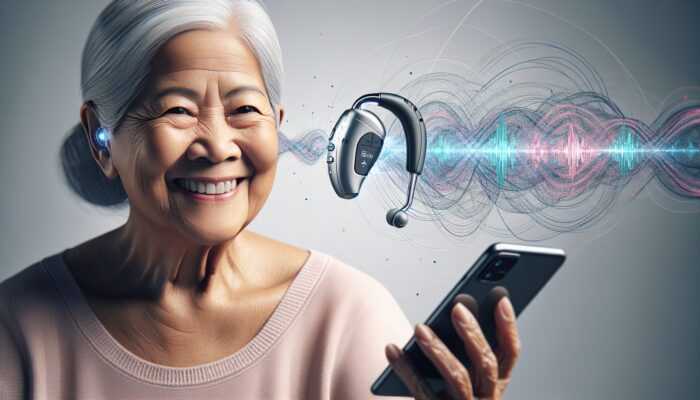
The advent of 5G technology heralds a new era of enhanced connectivity that significantly transforms how hearing aids operate and interact with their users. In today’s fast-paced world, where seamless communication is crucial, 5G technology not only improves sound quality but also turns hearing aids into intelligent devices that adapt to the varied environments of users. This enhanced connectivity brings a multitude of advantages, especially for individuals who grapple with hearing difficulties, enabling them to engage more fully with their surroundings and the digital world.

Experience Real-Time Audio Streaming with 5G

Futuristic hearing aid with 5G streaming real-time audio from various sources for an immersive experience.

Imagine the ability to stream audio data in real-time, turning a hearing aid from a mere device into an integral part of your auditory journey. With the capabilities of 5G connectivity, this dream has become a reality. The low latency and high bandwidth associated with 5G empower hearing aids to receive and process audio signals almost instantaneously. Users can relish in crisp and clear sound from a variety of sources, including smartphones, televisions, and even live performances. This revolutionary feature enhances the listening experience, making it more immersive and enjoyable.

The seamless connectivity offered by 5G means that users can make phone calls directly through their hearing aids, eliminating the need for intermediary devices. This effortless experience allows individuals to interact fluidly with the digital landscape. Beyond voice calls, enjoying music or engaging with podcasts becomes significantly more intimate, as the sound quality is dramatically improved, resulting in a richer auditory experience that captivates users.

Moreover, the real-time data streaming capability enables hearing aids to gather data regarding the user’s listening habits and environmental conditions. When integrated with advanced AI algorithms, this data can be utilized to dynamically adjust settings, ensuring that sound quality is optimized to meet the unique needs and preferences of each user. This personalization not only boosts user satisfaction but also enhances the overall functionality and effectiveness of the device.

Maximizing Battery Life with 5G Innovations

The introduction of 5G technology also addresses a paramount concern for hearing aid users: battery longevity. Traditional hearing aids often face challenges with power consumption, particularly when they connect to multiple devices simultaneously. However, 5G technology enables hearing aids to optimize energy usage more effectively, ensuring users enjoy longer-lasting performance without frequent recharging interruptions.

By implementing sophisticated power management algorithms, 5G-enabled devices can seamlessly transition between various connectivity modes, optimizing energy consumption based on user activity levels. For instance, during quieter periods, hearing aids can enter a low-power state while maintaining network connectivity. This innovation substantially extends battery life, allowing users to experience uninterrupted usage for extended periods, enhancing their daily lives.

Furthermore, the reduced energy demands associated with 5G technology allow manufacturers to focus on designing smaller, more efficient batteries without sacrificing performance. This advancement leads to sleeker designs and improved comfort while maintaining functionality. Users can now confidently enjoy a full day of use without worries about power depletion, significantly improving their overall quality of life.

Enjoy Seamless Integration with Smart Devices

One of the most compelling features of 5G technology is its ability to create seamless integration with a variety of smart devices. The interconnectedness enabled by 5G allows hearing aids to communicate effortlessly with a broad range of technologies, including smartphones, smart home devices, and wearables, creating a cohesive ecosystem that enhances user experience.

For instance, a user could easily synchronize their hearing aids with their smartphone’s GPS navigation application. As they navigate through bustling urban environments, their hearing aids can automatically adjust sound levels based on the surrounding noise, ensuring they remain aware of important auditory cues. This level of integration significantly enhances safety and convenience, especially for those who may have previously struggled to hear critical alerts in noisy settings.

Additionally, the capability of 5G to support multiple simultaneous connections allows users to interact with several devices concurrently. Whether it’s receiving notifications from social media platforms or answering incoming calls, the fluidity of the user experience transforms daily tasks, making them more manageable. This integration not only simplifies life for individuals but also fosters a sense of independence, enabling users to engage with technology in ways that are most meaningful to them.

Revolutionizing Audio Quality in Hearing Aids

Futuristic hearing aid with 5G technology enhancing audio quality in a vibrant urban setting.

The advancements in audio quality made possible by 5G technology are nothing short of groundbreaking. As hearing aid technology evolves, the benefits of 5G become increasingly clear, providing users with an enriched auditory experience that far exceeds traditional capabilities. This transformation significantly enhances how users perceive and interact with sounds in their everyday lives.

Experience Reduced Latency for Clearer Sound

Latency can often pose a significant challenge for hearing aid users, particularly in noisy and crowded environments. With the exceptionally low latency offered by 5G technology, the potential for audio synchronization issues is dramatically reduced. This improvement is particularly advantageous in situations where users need to discern speech amidst distracting background noise, such as in bustling restaurants or crowded public transport systems.

With the benefits of lower latency, sound from televisions or smartphones is transmitted to hearing aids almost instantaneously, ensuring that users are not left struggling to keep up with conversations or audio cues. The real-time processing capabilities afforded by 5G allow users to concentrate on the sounds that matter most, thereby significantly enhancing their overall auditory experience.

Moreover, this immediate responsiveness not only improves one-on-one conversations but also facilitates better communication during group discussions, where numerous voices may vie for attention. Consequently, users can engage more fully, fostering improved social interactions and boosting confidence in various environments.

Immerse Yourself in High-Definition Sound

5G technology empowers hearing aids to deliver high-definition sound quality—the kind of audio performance that redefines the listening experience. With the expansive bandwidth provided by 5G, hearing aids can process and convey richer, more nuanced audio that closely resembles the natural sounds of life.

This enhancement enables users to detect subtleties they may have missed in the past, from the gentle rustling of leaves to the intricate harmonies found in orchestral music. High-definition sound transforms entertainment experiences, making listening to music or watching films a deeply immersive experience. Users can appreciate depth and clarity, further enriching their daily interactions with the world around them.

Furthermore, high-definition sound is crucial for users with varying degrees of hearing loss. The ability to customize frequencies and sound profiles is essential, enabling users to tailor their auditory experience to meet their individual hearing profiles. This adaptability ensures that each user can discover their ideal sound, leading to greater satisfaction and an improved quality of life.

Customize Your Sound Profiles for Optimal Experience

Person adjusting hearing aid settings on smartphone with 5G, icons for meetings and concerts.

5G technology enables hearing aids to provide customizable sound profiles that adapt to individual preferences and environmental conditions. Users can effortlessly modify their settings through dedicated smartphone applications, ensuring that their devices align perfectly with their specific auditory needs and desires.

This level of customization is particularly advantageous in diverse environments. For example, a user can adjust their hearing aid settings to prioritize conversations during meetings or to minimize background noise while savoring a live concert. The flexibility afforded by 5G allows for swift adjustments, empowering users to take charge of their auditory experiences.

Additionally, advancements in sound processing technology mean that users can benefit from machine learning algorithms that learn from their preferences over time. As users interact with their devices, the system can suggest optimal sound settings based on previous behaviors and environmental contexts. This degree of personalization significantly contributes to user satisfaction, making hearing aids not just devices but essential companions tailored to individual lifestyles.

Enhanced Noise Cancellation for a Better Listening Experience

The evolution of noise cancellation technology has made remarkable strides with the introduction of 5G technology. Enhanced algorithms powered by the rapid data transfer capabilities of 5G enable hearing aids to filter out disruptive background sounds more effectively. This improvement is especially crucial for users who find themselves in noisy settings, such as busy cafes or bustling city streets.

By utilizing advanced sound processing techniques, hearing aids can better identify and isolate speech from surrounding noise. This capability allows users to engage in conversations without the constant distraction of competing sounds, significantly enhancing their social interactions and overall auditory experience.

Moreover, enhanced noise cancellation extends beyond mere audio adjustment. With real-time processing, hearing aids can continuously adapt to varying environments, ensuring that users maintain control over what they hear. The result is a substantially improved listening experience that empowers users to navigate their surroundings with confidence and ease.

Enjoy Real-Time Audio Adjustments for Optimal Clarity

The ability to make real-time audio adjustments stands out as one of the most significant benefits of 5G technology in hearing aids. As users move through different environments—whether transitioning from a quiet home to a bustling street—hearing aids equipped with 5G can instantly adapt to optimize sound quality.

This functionality is essential for maintaining clarity and enhancing user comfort. Users can enjoy uninterrupted audio fidelity, as their devices make immediate adjustments based on ambient noise levels and other factors. This responsiveness fosters a more engaged experience, allowing users to concentrate on conversations and sounds that matter most to them.

Moreover, real-time audio adjustments significantly enhance safety, particularly in social situations. Users can remain aware of critical environmental cues, such as traffic sounds or alerts in crowded venues, without sacrificing the clarity of conversations. This balance between auditory engagement and situational awareness empowers users to navigate their environments with greater confidence and independence.

Advancing Telehealth and Remote Adjustments for Hearing Aids

As technology continues to advance, the influence of 5G technology opens new possibilities for telehealth and remote adjustments in hearing aids. This shift not only enhances accessibility but also offers users a more convenient and supportive experience in managing their hearing health.

Access Virtual Hearing Assessments with Ease

5G technology facilitates virtual hearing assessments, allowing users to receive professional evaluations without needing to visit a clinic in person. This accessibility is particularly beneficial for individuals residing in remote areas or those facing mobility challenges. With just a smartphone and a reliable internet connection, users can connect with audiologists for thorough assessments.

These virtual evaluations provide users with the opportunity to discuss their experiences, voice any concerns, and receive immediate feedback regarding their auditory health. The convenience of telehealth in the hearing sector represents a significant advancement, breaking down barriers to access and enabling users to prioritize their hearing needs from the comfort of their homes.

Moreover, virtual assessments can lead to quicker interventions when issues arise. Users can receive timely recommendations, adjustments to their devices, or referrals to specialists without the delays often associated with traditional appointments. This efficiency greatly enhances overall user satisfaction and encourages active engagement with hearing health services.

Remote Device Tuning for Personalized Adjustments

The ability for audiologists to perform remote device tuning through 5G technology marks a significant leap forward in hearing technology. Users are no longer required to schedule multiple office visits for adjustments; instead, audiologists can modify settings remotely, optimizing performance based on user feedback.

This convenience is invaluable, particularly for individuals living far from hearing clinics. With remote tuning, users can receive personalized adjustments tailored to their evolving needs without the stress of travel or scheduling conflicts.

Furthermore, remote tuning is beneficial not only for initial adjustments but also for ongoing maintenance. As users encounter different listening environments, their audiologists can make real-time changes to ensure optimal performance. This flexibility fosters a sense of partnership between the user and the audiologist, leading to improved outcomes and greater satisfaction with hearing solutions.

Engage in Telemedicine Consultations for Ongoing Support

The rise of telemedicine in the hearing health sector, fueled by 5G technology, allows users to access medical consultations without needing to leave their homes. This development is particularly beneficial for users requiring ongoing support, adjustments, or guidance regarding their hearing aids.

Telemedicine consultations create a platform for users to discuss their experiences, ask questions, and receive professional advice in a familiar setting. This accessibility fosters a comfortable environment for users, promoting open communication about their hearing health.

Additionally, telemedicine reduces wait times for appointments and enables practitioners to reach a broader audience. As hearing health services become more accessible, users are more likely to seek assistance and maintain their hearing aids effectively. This proactive approach to hearing health ensures that individuals receive the necessary care, ultimately leading to better outcomes.

Innovative Trends in Hearing Technology

With the rise of 5G technology, innovations in hearing technology have accelerated, introducing smarter and more capable devices to users globally. The fusion of AI, wearable technology, and 5G connectivity paves the way for an exciting future in hearing aids, promising enhanced features and improved user experiences.

Embrace Smart Hearing Aids for Enhanced Connectivity

The 5G revolution has spurred the development of smart hearing aids equipped with advanced features and connectivity options. These devices are designed not only to improve hearing but also to elevate the overall quality of life for users. The integration of smart technologies allows hearing aids to become part of a broader ecosystem, connecting with various smart devices to deliver a cohesive user experience.

Smart hearing aids can learn from user behavior, adapting settings based on preferences and environmental changes. This level of intelligence means that users benefit from personalized sound experiences that evolve with their needs. The result is a device that not only amplifies sound but also enhances the user’s interaction with the world around them.

Furthermore, the connectivity provided by smart hearing aids enables seamless integration with smartphones and other devices. Users can manage their hearing aids through intuitive applications, allowing them to customize settings, adjust sound profiles, and track their hearing health from a single platform. This convenience empowers users to take control of their hearing experiences.

Leverage AI-Powered Sound Processing for Optimal Clarity

Artificial intelligence (AI) plays a crucial role in enhancing the sound processing capabilities of hearing aids, especially when combined with the connectivity afforded by 5G technology. AI algorithms can analyze audio inputs in real-time, distinguishing between relevant sounds and background noise to prioritize important auditory cues.

This advancement is particularly vital for users in complex auditory environments, such as crowded restaurants or public events. AI-powered sound processing enables hearing aids to prioritize speech, ensuring that users can follow conversations without being overwhelmed by competing sounds.

Additionally, AI can continuously learn and adapt based on user preferences and behaviors. As users engage with their devices, the AI recognizes patterns and suggests optimal settings for different environments. This personalized approach to sound processing enhances user satisfaction, creating a more natural and engaging listening experience.

Experience Wearable Integration for a Holistic Approach

5G technology facilitates the integration of hearing aids with various wearables, creating a more cohesive and interconnected user ecosystem. Imagine a world where hearing aids work seamlessly with smartwatches, fitness trackers, and health monitoring devices. This integration not only enhances functionality but also provides users with comprehensive health data.

For instance, users can receive notifications from their smartwatches directly through their hearing aids, allowing them to stay connected without distraction. Moreover, fitness trackers can monitor health metrics such as heart rate or physical activity, providing valuable insights that can be shared with audiologists for a holistic approach to hearing health.

These integrations not only enhance the functionality of hearing aids but also promote a more active lifestyle. Users can remain engaged with their surroundings while benefiting from the advantages of multiple connected devices. This interconnectedness fosters a sense of empowerment, enabling users to take charge of their health and well-being comprehensively.

Enhancing Accessibility and Inclusivity in Hearing Technology

The impact of 5G technology significantly advances accessibility and inclusivity in hearing technology, ensuring that individuals from diverse backgrounds and abilities can benefit from innovative solutions. The democratization of technology has far-reaching implications for public health and social engagement, creating opportunities for all.

Broaden Access to Advanced Hearing Technology

One of the most remarkable benefits of 5G technology is the expansion of access to advanced hearing technology. With increased connectivity and reduced costs, more individuals can access hearing aids and related services than ever before. This inclusion is particularly critical in underserved communities, where traditional access to hearing health services may be limited or non-existent.

As hearing technology becomes more accessible, individuals with hearing loss can engage more fully in educational, professional, and social activities. Effective communication is vital for personal and professional growth, and improved access empowers individuals to pursue their goals with confidence and determination.

Moreover, as technology becomes more affordable, manufacturers can produce a wider range of hearing aids tailored to different budgets and needs. This commitment to inclusivity ensures that hearing solutions are available to a broader audience, fostering a more equitable society where everyone has the chance to thrive.

Affordable Hearing Solutions for Everyone

Thanks to advancements driven by 5G technology, manufacturers can now produce more affordable hearing aids without compromising on quality. This shift is crucial for reaching individuals who may have previously been excluded from the market due to high costs.

The reduction in costs can be attributed to improved manufacturing processes and the ability to streamline production, thanks to technological advancements. As a result, hearing aids are increasingly viewed not as luxury items but essential health devices that can significantly enhance quality of life.

Additionally, insurance companies and healthcare providers may be more inclined to cover 5G-enabled hearing aids, recognizing their potential to improve overall health outcomes. This increased affordability allows more individuals to seek the help they need, ultimately leading to better hearing health and increased life satisfaction.

Enhance User Experience with Improved Features

The advancements brought about by 5G technology significantly improve the overall user experience of hearing aids. As devices become more sophisticated and user-friendly, individuals are more likely to embrace them as indispensable tools in their daily lives.

Improvements in connectivity and sound quality directly translate into heightened user satisfaction. With personalized features, seamless integration, and real-time adjustments, users experience a greater sense of control over their auditory environments. This empowerment encourages individuals to engage more fully in conversations and social activities, ultimately enhancing their overall quality of life.

Moreover, as the stigma surrounding hearing aids continues to diminish, users are more inclined to adopt these technologies with enthusiasm. The modern design and advanced capabilities of 5G-enabled hearing aids make them appealing to a wider audience, promoting acceptance and integration into everyday life.

Improve Connectivity and Support Services

The connectivity provided by 5G technology enhances remote support and connectivity for hearing aids, significantly improving accessibility and inclusivity. With the ability to connect to audiologists and support services from virtually anywhere, users can receive assistance whenever they need it.

This level of support is especially valuable for users in remote or underserved areas. With telehealth options available, individuals can access necessary assistance without traveling long distances or facing lengthy wait times. This convenience encourages proactive engagement in hearing health, ensuring that users receive timely interventions when necessary.

In addition, improved connectivity allows users to stay informed about the latest advancements in hearing technology. Awareness of new products, features, and services empowers individuals to make informed decisions regarding their hearing health, leading to better outcomes and enhanced quality of life.

Addressing Challenges and Considerations in Hearing Technology

Despite the array of advantages provided by 5G technology in hearing aids, several challenges and considerations must be addressed to ensure responsible and sustainable advancements. As technology evolves, it is crucial to recognize potential barriers and work towards solutions that benefit all users.

Security and Privacy Concerns in Connected Devices

The increased connectivity offered by 5G technology brings forth new security and privacy challenges for hearing aid users. With devices consistently connected to the internet, there is an inherent risk of unauthorized access and potential data breaches.

Hearing aids often collect sensitive information about users, including their location and listening habits. Ensuring that this data remains secure is paramount for manufacturers and service providers. Implementing robust encryption methods and security protocols is essential to protect user privacy and maintain trust in these devices.

Moreover, users must be educated about potential risks and how to safeguard their personal information. As technology advances, ongoing discussions regarding privacy and security will be crucial in establishing guidelines and best practices for protecting users.

Infrastructure Requirements for Effective 5G Deployment

The potential benefits of 5G technology for hearing aids depend heavily on the availability of robust infrastructure. In many regions, particularly rural or underserved areas, the necessary infrastructure may not yet exist to support 5G connectivity.

Without reliable access to 5G networks, the advantages of smart hearing aids may not be fully realized, creating disparities in access to cutting-edge technology and leaving some users without the benefits they deserve. Therefore, investment in infrastructure development is vital to ensure equitable access to hearing technology across diverse populations.

Additionally, as the demand for hearing aids increases, manufacturers must collaborate with telecommunications providers to ensure that networks can handle the required data traffic. This collaboration is essential for delivering a seamless user experience and maximizing the potential of 5G technology.

Overcoming Adoption Barriers for New Technology

Even with the numerous advantages of 5G-enabled hearing aids, various adoption barriers may hinder users from fully embracing this technology. Cost remains a significant factor, as even affordable devices may still be out of reach for some individuals.

Moreover, awareness and education play crucial roles in driving adoption. Many individuals may not fully understand the benefits of 5G technology or how it can enhance their hearing experience. Educational campaigns and outreach initiatives can help bridge this gap, ensuring that users are informed about their options and the positive impact of technology on their hearing health.

Furthermore, older adults, who are often the primary users of hearing aids, may be more resistant to change. Providing support and education tailored to this demographic can help alleviate concerns, encouraging greater acceptance of new technologies.

Ensuring Regulatory Compliance in Evolving Technologies

As hearing aids evolve to incorporate 5G technology, ensuring compliance with various international standards and regulations can be complex. Manufacturers must navigate a landscape of regulations that vary by region and may change as technology advances.

Establishing consistency in compliance standards is crucial for maintaining user safety and device efficacy. Manufacturers must work closely with regulatory bodies to ensure that their devices meet necessary guidelines and regulations, fostering trust and confidence among users.

Additionally, as new technologies emerge, regulatory frameworks must adapt to address the unique challenges posed by connectivity and data collection. This ongoing collaboration is essential for fostering innovation while ensuring user safety and privacy.

Addressing Battery Life and Power Management Challenges

As 5G technology enhances capabilities, it also raises concerns regarding battery life and power management in hearing aids. The power demands of 5G connectivity can strain battery life, necessitating that manufacturers develop solutions that ensure longevity without compromising performance.

Innovations in battery technology and power management systems are crucial for overcoming these challenges. Manufacturers must prioritize creating efficient devices that leverage 5G capabilities while optimizing energy consumption.

Moreover, users should be educated about best practices for maximizing battery life. By understanding how to manage their devices wisely, users can enjoy the benefits of 5G technology without the inconvenience of frequent recharging.

Exploring Future Prospects and Trends in Hearing Technology

Looking ahead, the future of 5G technology in hearing aids is filled with promising prospects and trends that will continue to shape the landscape of auditory technology. As 5G connectivity becomes increasingly prevalent, hearing aids will evolve to meet the diverse needs of users across the globe.

Anticipating Continued Innovation in Hearing Solutions

The advancements driven by 5G technology will fuel ongoing innovation in hearing technology, leading to the development of new features and capabilities that enhance user experiences. As research and development progress, we can expect to see even smarter devices that integrate more seamlessly into users’ lives.

For instance, future hearing aids may incorporate biometric sensors, allowing users to monitor their health metrics in addition to their hearing. This holistic approach to health management aligns with the growing trend of integrated technology and personalized healthcare solutions.

Moreover, as AI technologies continue to evolve, we may witness advanced predictive capabilities that anticipate user needs in real-time. This level of intelligence will revolutionize how individuals interact with their hearing aids, enhancing overall satisfaction and engagement.

The potential for collaboration between manufacturers, audiologists, and users will also drive innovation. By fostering open communication and collaboration, stakeholders can work together to create solutions that address real-world challenges and improve the user experience.

Frequently Asked Questions About 5G and Hearing Aids

What is 5G technology and how does it work?

5G technology represents the fifth generation of mobile network technology, offering faster speeds, lower latency, and enhanced connectivity compared to earlier generations. It enables seamless communication between devices and supports advanced applications that enhance user experiences.

How does 5G influence the functionality of hearing aids?

5G technology enhances hearing aids by providing real-time data streaming, improved battery life, and seamless integration with smart devices. It also significantly improves audio quality and facilitates remote adjustments and virtual assessments, enhancing the overall user experience.

Are 5G-enabled hearing aids more costly than traditional options?

While the initial costs of 5G technology may lead to higher prices, it can ultimately reduce manufacturing expenses, resulting in more affordable options over time. Economies of scale are likely to make 5G-enabled hearing aids accessible to a broader audience.

Can I connect my hearing aids to my smartphone?

Yes, many 5G-enabled hearing aids can connect seamlessly to smartphones, allowing users to stream audio, manage settings, and receive notifications directly through their devices, enhancing convenience and user experience.

What is telehealth in the context of hearing aids?

Telehealth for hearing aids refers to remote consultations and assessments conducted by audiologists via video calls or apps. This service enhances accessibility and allows users to receive convenient support without the need for in-person visits.

How do real-time audio adjustments work in hearing aids?

Real-time audio adjustments utilize advanced algorithms to analyze the auditory environment and dynamically change hearing aid settings. This ensures optimal sound quality in various situations, significantly enhancing the user experience.

What benefits does AI provide in hearing aids?

AI enhances hearing aids by improving sound processing, allowing for personalized adjustments, and learning user preferences over time. This leads to a more tailored auditory experience, increasing user satisfaction and engagement.

Are there privacy concerns associated with 5G-enabled hearing aids?

Yes, the increased connectivity associated with 5G technology introduces potential privacy concerns regarding data collection and security. It is essential for manufacturers to implement robust security measures to protect user information and maintain trust.

How can I maximize battery life in my hearing aids?

To maximize battery life, users should manage connectivity settings, reduce streaming when unnecessary, and follow manufacturer guidelines for optimal usage and care practices.

What does the future hold for hearing technology with 5G?

The future of hearing technology with 5G technology appears promising, with continuous innovation expected. We may see smarter devices with advanced features, improved integration with other technologies, and an overall enhanced user experience.

Explore our world on X!

The post 5G’s Influence on Hearing Technology: A New Era Emerges appeared first on The Microsuction Ear Wax Removal Network.

Categories
Blockchain Security Science & Technology

Blockchain Secures Hearing Records with a Universal Method

Last Updated on 26/07/2025 by Admin

Revolutionizing Hearing Data Storage with Immutable Blockchain Technology

The advent of blockchain technology has dramatically transformed the storage and management of hearing records, providing unparalleled immutability that enhances the overall reliability of these critical documents. This essential feature plays a crucial role in protecting sensitive legal information, ensuring transparency, and building trust among all participants in the legal process. By utilizing blockchain, we create a secure environment where the integrity of data is prioritized, ultimately benefiting all stakeholders involved in legal proceedings.

Ensuring Data Integrity through Blockchain’s Unique Features

A glowing chain of secure, immutable blockchain links with cryptographic locks, contrasting vulnerable traditional databases.

The primary strength of blockchain is its remarkable capability to preserve the integrity of hearing records over extended periods. Unlike conventional databases, where data can be modified or deleted, blockchain technology guarantees that once information is entered, it becomes a permanent fixture of the chain. Each record is cryptographically linked to its predecessor, establishing a secure and immutable history. Therefore, any attempt to modify a record necessitates altering all subsequent entries, an exceedingly challenging endeavor that would likely be detected promptly.

Consider a scenario where vital evidence is tampered with; such actions create opportunities for disputes and jeopardize the integrity of the judicial process. With blockchain, every hearing record remains intact, providing an indisputable source of truth. The unchangeable nature of blockchain isn’t merely a technical merit; it acts as a protective barrier for justice, ensuring that every piece of evidence, testimony, or record is preserved in its original state.

Building Trust Through Enhanced Transparency

transparency is a fundamental element in cultivating trust, particularly in legal contexts. In situations where parties may have opposing interests, blockchain facilitates a system where all stakeholders—lawyers, judges, and clients—can effortlessly verify the authenticity of hearing records. Every participant in the blockchain network has access to the same unaltered information, significantly minimizing the potential for discrepancies and misunderstandings.

This level of transparency nurtures a collaborative atmosphere where accountability is emphasized. For instance, if an attorney needs to refer to a hearing record, they can be assured that it has not been altered since its initial recording. This shared access to verifiable data dramatically reduces the risks of fraud or manipulation, bolstering the credibility of the entire legal framework.

Comprehensive Audit Trails for Enhanced Accountability

Maintaining effective auditing practices is vital for ensuring accountability, and blockchain technology excels in providing detailed audit trails. Every action concerning hearing records—including new entries, access requests, or modifications—is meticulously documented and timestamped within the blockchain. This capability allows legal professionals to thoroughly examine the history of each record, enabling them to trace back discrepancies or investigate any unauthorized access with ease.

Envision the ramifications of such detailed audit trails in a legal setting. Should a dispute arise regarding the authenticity of a record, attorneys and judges can quickly consult the blockchain to ascertain who accessed or modified the record and when. This transparency not only clarifies legal disputes but also acts as a deterrent against unethical conduct.

Implementing Robust Security Measures for Hearing Records

A digital fortress with blockchain symbols protecting glowing hearing record files from shadowy cyber threats in a futuristic environment.

As the digital landscape evolves, the threats to sensitive data also increase. The robust security measures inherent in blockchain technology play a pivotal role in protecting hearing records from unauthorized access and potential data breaches.

Advanced Encryption Techniques for Data Protection

One of the most notable features of blockchain technology is its sophisticated encryption protocols, which effectively safeguard hearing records from unauthorized access. Each record within the blockchain is encrypted, ensuring that sensitive information remains confidential and secure. Only individuals with the appropriate decryption keys—typically authorized personnel—can access the specifics of a hearing, adding an essential layer of security to the system.

In an age where data breaches are alarmingly prevalent, the encryption provided by blockchain offers significant peace of mind. For instance, a legal firm utilizing blockchain to store client hearing records can rest assured that even in the event of a cyberattack, intruders would be unable to decipher the data without the necessary decryption keys. This level of protection is vital for maintaining not only the integrity of legal processes but also the privacy of all individuals involved.

Decentralized Data Security for Enhanced Resilience

The decentralized structure of blockchain technology significantly contributes to improved data security. Rather than storing hearing records in a single, centralized repository, blockchain distributes data across multiple nodes within the network. This decentralization reduces the risk of centralized data breaches, as an attack on one node would not compromise the entire system.

Such decentralization also fosters more resilient data storage. Even if one node becomes inactive or is breached, the other nodes continue to uphold the integrity of the records. This aspect is particularly critical for hearing records, as legal professionals must have access to accurate and complete information promptly, regardless of potential disruptions.

Tailored Access Control to Enhance Data Security

Digital interface showing blockchain-based access control for legal firm with secure locks and data encryption.

With blockchain technology, access control can be customized to meet the unique requirements of an organization. The system allows for precise access management, ensuring that only authorized individuals can view or modify hearing records. This functionality not only protects sensitive information but also simplifies adherence to data protection regulations.

For example, various roles within a legal firm—such as paralegals, attorneys, and administrative staff—can be assigned different levels of access based on their specific needs. Such tailored permissions guarantee that sensitive information is exclusively available to those who require it to fulfill their responsibilities, significantly minimizing the risk of accidental exposure or malicious intent.

Enhancing Efficiency in Record Management through Blockchain

The integration of blockchain technology in managing hearing records leads to a more efficient and organized system, effectively minimizing errors and reducing administrative burdens.

Streamlined Automated Updates with Smart Contracts

One of the most significant efficiencies achieved through blockchain technology lies in the utilization of smart contracts for automated updates of hearing records. Smart contracts are self-executing agreements with the terms of the deal directly inscribed in code. This means that when certain conditions are met—such as the conclusion of a hearing—updates to records can occur automatically, eliminating the need for manual intervention.

These automated procedures diminish the potential for human error, which is often prevalent in traditional record-keeping practices. For instance, if a hearing decision requires documentation, a smart contract can promptly update the blockchain with the new information, ensuring that all relevant parties are informed and that the records remain current and accurate. This efficiency not only saves time but also enhances the reliability of the shared information.

Seamless Interoperability for Improved Collaboration

Blockchain technology promotes seamless interoperability between various systems and organizations, facilitating smooth exchanges of hearing records. This capability is especially valuable in legal contexts, where multiple parties may be involved in a case, each utilizing different systems to manage their data.

The capacity of blockchain to function across diverse platforms ensures that hearing records can be shared effortlessly, reducing delays and enhancing collaboration. For instance, a court can instantly share hearing records with prosecutors, defense attorneys, and relevant agencies, guaranteeing that everyone has access to the most recent information. This level of connectivity not only improves the overall efficiency of legal proceedings but also fosters a more cohesive legal ecosystem.

Accurate Version Control for Legal Documentation

Maintaining precise version control of hearing records is another standout capability of blockchain technology. As records are updated, previous versions are preserved within the blockchain, allowing for straightforward tracking of changes over time. This feature proves invaluable in legal environments, where the history of document modifications can be as critical as the documents themselves.

In practice, legal professionals can review the progression of a hearing record, understanding how it has evolved and why. This transparency not only assists in resolving disputes but also clarifies ongoing legal processes. The ability to access historical versions of records ensures that all parties can trust the accuracy and authenticity of the information presented.

Enhanced Security through Controlled Access

The secure access control offered by blockchain technology significantly enhances the privacy and integrity of hearing records. By restricting access to authorized personnel only, law firms and other legal entities can protect sensitive information from unauthorized viewing or modification. This feature is crucial for maintaining client confidentiality and ensuring compliance with legal regulations.

For example, within a legal firm, only the lead attorney may possess the authority to modify specific hearing records, while other team members may view them without making changes. This controlled access guarantees that sensitive information is safeguarded while still allowing for collaborative work environments where necessary data is readily available to those who need it.

Immutable Audit Trails for Enhanced Record Management

The inherent ability of blockchain technology to create immutable audit trails adds another dimension of transparency to record management. Every action taken concerning hearing records—whether it’s a new entry, a modification, or an access request—is meticulously logged within the blockchain. This functionality not only enables easy tracking and verification of records but also aids in maintaining accountability.

In legal contexts, the significance of having a clear audit trail cannot be overstated. If a question arises regarding the authenticity of a record, legal professionals can refer back to the blockchain to investigate who accessed or modified the record and when. This level of detail instills confidence in the system, reassuring all parties involved of the integrity of the data utilized in legal proceedings.

Achieving Cost and Time Efficiency with Blockchain

The integration of blockchain technology in managing hearing records leads to noteworthy cost and time efficiency, benefiting legal practices and their clients alike.

Minimizing Paperwork through Digital Transformation

In an age where digital transformation is crucial, transitioning hearing records to a blockchain system significantly reduces the need for physical documents. The approach of blockchain to secure hearing records eliminates the cumbersome paperwork typically associated with traditional record-keeping systems, resulting in substantial cost savings.

For example, legal firms can lower their expenses related to paper, printing, storage, and administrative tasks associated with managing physical documents. Furthermore, the digital nature of blockchain records allows for quicker retrieval and more efficient handling of information, streamlining workflows within legal practices. This reduction in paperwork not only decreases operational costs but also contributes to a more sustainable approach to legal documentation.

Accelerated Access to Critical Information

When it comes to legal proceedings, time is often of the essence. Blockchain technology enables rapid retrieval of hearing records, significantly enhancing overall operational efficiency. Unlike traditional systems, where retrieving documents may consume considerable time due to indexing and manual searches, blockchain allows for instant access to the required information.

For instance, if a lawyer needs to reference a specific hearing record during a court session, they can quickly and efficiently retrieve it from the blockchain. The capability to access records instantaneously not only accelerates legal processes but also empowers legal professionals to make informed decisions in real-time, elevating the quality of legal representation.

Significant Reductions in Administrative Costs

The automation of processes facilitated by blockchain technology can lead to substantial decreases in administrative costs. By diminishing the need for intermediaries and reducing manual handling of records, legal firms can operate more efficiently. Smart contracts can automate routine tasks, such as notifications for upcoming hearings or deadlines for document submissions, freeing staff to concentrate on more complex legal matters.

As legal practices adopt blockchain technology, they are likely to witness measurable cost savings. These efficiencies lead to quicker case resolutions and improved service delivery for clients, thereby enhancing the firm’s reputation and competitive edge in a fast-paced legal environment.

Prioritizing Privacy and Compliance in Legal Practices

Privacy and compliance are critical components of the legal sector, and blockchain technology offers robust solutions to address these essential needs.

Anonymizing Data for Enhanced Privacy

Blockchain technology possesses the capability to anonymize personal data within hearing records, thereby enhancing privacy while preserving the usability of the information. By removing identifiable details, the system ensures that sensitive data remains protected even when shared among different entities.

For instance, in scenarios where hearing records must be shared for research or analytical purposes, blockchain allows for the extraction of necessary data without compromising individual identities. This practice not only complies with privacy regulations but also encourages data-sharing initiatives, ultimately enriching the collective knowledge within the legal community.

Facilitating Regulatory Compliance through Immutable Records

Navigating the complex landscape of data protection regulations can be daunting for legal practitioners. However, blockchain technology can assist in ensuring that hearing records adhere to relevant laws, such as GDPR or HIPAA. The immutable nature of blockchain guarantees that records remain consistent and verifiable, providing a clear audit trail that can be presented to regulatory authorities when necessary.

In this context, legal firms employing blockchain technology can enhance their compliance efforts, thereby reducing the risk of penalties or legal issues stemming from improper handling of sensitive data. This proactive approach to compliance not only protects the firm’s reputation but also fosters trust among clients and stakeholders.

Automating Consent Management for Compliance

Managing consent for the utilization of hearing records is another area where blockchain technology excels. Through smart contracts, legal practices can automate the process of obtaining and managing consent from clients. This ensures that any sharing or use of hearing records is conducted in compliance with privacy laws.

For instance, when a hearing record needs to be shared with another party, the smart contract can verify whether consent has been granted by the client prior to proceeding. This level of control over data sharing reinforces the integrity of the data management process and assures clients that their privacy is being prioritized.

Fostering Trust and Verification in Legal Processes

Establishing trust and enabling verification are essential elements of the legal system, and blockchain technology provides innovative solutions to enhance these aspects.

Verifying Authenticity of Hearing Records

The ability to verify the authenticity of hearing records is critical for mitigating disputes and ensuring that justice is served. Blockchain technology allows all stakeholders to confirm the legitimacy of records with ease. Each entry is timestamped and linked, creating a transparent record that can be audited by interested parties at any time.

For example, if two parties disagree about the contents of a hearing record, they can quickly consult the blockchain to verify the original entry and any subsequent modifications. This capability significantly reduces the potential for fraudulent claims and enhances the overall credibility of the legal process.

Maintaining an Unalterable Chain of Custody

Preserving a clear, unalterable record of the chain of custody for hearing records is crucial in legal proceedings. Blockchain technology ensures that every action taken regarding a record is logged, providing an indisputable history of its handling. This feature is vital for establishing the authenticity of evidence in court cases.

For instance, in a criminal case, the prosecution must demonstrate that the evidence has not been tampered with. With blockchain, the entire chain of custody can be traced, assuring the court of the authenticity of the hearing records presented.

Independent Third-Party Validation for Enhanced Trust

Independent third-party validation plays a crucial role in bolstering trust in legal processes. Blockchain technology enables independent auditors to verify the integrity of hearing records stored on the blockchain. This level of oversight provides an additional layer of assurance to all parties involved.

For legal practices, having an external validation mechanism contributes to a greater degree of credibility. Clients can trust that their records are managed with integrity, while judges and other legal authorities can feel confident in the accuracy of the information presented during proceedings.

Implementing Regular Data Integrity Checks

Conducting regular audits and automated checks is crucial for ensuring the integrity of hearing records on blockchain. These integrity checks identify any discrepancies or unauthorized changes, reinforcing trust among legal professionals. By implementing stringent data integrity protocols, legal firms can ensure that their records are not only accurate but also secure.

In practice, this means that legal professionals can concentrate on their core responsibilities, assured that the technology underpinning their record management is continuously monitoring for integrity. This proactive approach to data integrity not only boosts operational efficiency but also fortifies the foundational trust necessary in the legal field.

Scalability and Accessibility for Modern Legal Practices

As the demand for effective legal record management continues to rise, blockchain technology offers scalable and accessible solutions that cater to diverse needs.

Efficiently Scalable Solutions for Legal Practices

Blockchain technology is designed to scale efficiently, capable of managing large volumes of hearing records without compromising performance. This scalability is essential for legal practices that may oversee thousands of records across numerous cases.

For instance, a corporate law firm managing multiple clients can effortlessly store and retrieve vast amounts of data in real time, ensuring they remain agile in the face of increasing demands. The technology’s inherent scalability alleviates concerns about bottlenecks or slowdowns during peak operational periods, allowing legal professionals to prioritize delivering quality service.

Remote Access Capabilities for Enhanced Collaboration

The accessibility of hearing records stored on the blockchain has transformative implications for the legal industry. Legal professionals can access these records remotely, improving accessibility for all parties involved. In today’s digital environment, the ability to access crucial information from any location enhances collaboration and decision-making.

For example, a lawyer working on a case can retrieve pertinent hearing records while traveling or working from home, ensuring they have the information they need at their fingertips. This flexibility not only boosts efficiency but also supports a modern legal practice that values responsiveness and adaptability.

Seamless Integration with Existing Systems

Blockchain technology can be seamlessly integrated with existing legal and administrative systems, enabling a smooth transition to this innovative approach. Organizations can adopt blockchain without overhauling their entire infrastructure, ensuring minimal disruption to ongoing operations.

This compatibility means that legal firms can capitalize on the advantages of blockchain while maintaining their established workflows. By integrating blockchain technology with their current systems, firms can enhance their record-keeping processes and improve overall efficiency, thereby solidifying their position in a competitive legal landscape.

Anticipating Future Innovations in Blockchain

The future of blockchain technology is promising, with limitless potential for enhancing the legal sector. Innovations such as AI integration are set to revolutionize how hearing records are analyzed and utilized.

Integrating AI for Enhanced Data Analysis

As artificial intelligence continues to evolve, its integration with blockchain technology holds great promise for advancing the analysis of hearing records. AI algorithms can efficiently process large datasets, uncovering insights and identifying patterns that may not be immediately apparent to human analysts. This capability can streamline legal research and inform strategic decision-making.

For example, AI could examine hearing records stored on the blockchain to identify trends in rulings or outcomes, assisting legal professionals in crafting more effective arguments. This synergy between AI and blockchain not only enhances operational efficiency but also elevates the quality of legal representation, ultimately benefiting clients and the justice system at large.

Frequently Asked Questions About Blockchain in Legal Practices

What is blockchain technology?

Blockchain technology is a decentralized ledger system that securely records information across multiple computers, ensuring that data cannot be altered retroactively without consensus from the network.

How does blockchain secure hearing records?

Blockchain secures hearing records through immutability, encryption, decentralization, and access controls, protecting sensitive information from unauthorized access and ensuring data integrity.

What are smart contracts?

Smart contracts are self-executing agreements with the terms of the contract directly written into code. They automate processes, ensuring that agreements are executed when specific conditions are met.

Can blockchain improve legal efficiency?

Yes, blockchain can enhance legal efficiency by automating record management processes, minimizing paperwork, and allowing for expedited access to hearing records.

How does blockchain enhance data integrity?

Blockchain improves data integrity by creating immutable records that cannot be altered, facilitating transparent verification and audit trails of all actions related to hearing records.

What role does encryption play in blockchain?

Encryption plays a crucial role in blockchain technology by safeguarding sensitive hearing records from unauthorized access, ensuring that only authorized personnel can view or modify the data.

Is blockchain technology scalable?

Yes, blockchain technology is highly scalable, capable of managing large volumes of hearing records efficiently without compromising performance.

What are the benefits of decentralization in blockchain?

Decentralization reduces the risk of centralized data breaches, enhances data resilience, and allows for greater access to information across multiple nodes within the network.

How does blockchain ensure regulatory compliance?

Blockchain technology ensures regulatory compliance by maintaining transparent and immutable records, providing audit trails that can be presented to regulatory authorities when necessary.

What future innovations can we expect from blockchain in the legal field?

Future innovations may include AI integration, enhanced data analytics, and improved interoperability between different legal systems, further streamlining the management of hearing records.

Explore our journey on X!

The post Blockchain Secures Hearing Records with a Universal Method appeared first on The Microsuction Ear Wax Removal Network.

Categories
Hearing Devices Science & Technology

2025 Tech Revolutionizes Hearing Aids for a New Era

Transformative Technological Innovations in Hearing Aids for 2025

Remarkable advancements in hearing aid technology are significantly altering the landscape for millions of individuals experiencing hearing loss. The year 2025 represents a crucial milestone in the evolution of hearing aids, with innovations concentrating on improving user experience, comfort, and functionality. This article delves into some of the most thrilling enhancements that are paving the way for the future of hearing devices, providing insights into how they will impact users’ lives.

Revolutionary Miniaturization Techniques in Hearing Aid Design

A sleek, modern hearing aid designed for discreet comfort and aesthetics, fitting inside the ear canal.

The ongoing trend toward miniaturization in hearing aids has led to the creation of devices that are not only smaller in size but also remarkably discreet. Cutting-edge micro-engineering techniques empower manufacturers to produce potent devices that fit snugly within the ear canal or discreetly behind the ear, significantly reducing visibility while enhancing user comfort. This compact design approach encourages greater acceptance among users, especially among younger individuals who may prioritize aesthetics in their auditory solutions.

Moreover, these miniaturized components have not compromised performance; in fact, advancements in technology have enabled these small devices to incorporate high-quality sound processing capabilities. This ensures that users experience crystal-clear audio without the intrusion of distracting background noise. The synergy of size and power greatly enhances the overall user experience, allowing wearers to engage more fully in daily conversations without feeling self-conscious about their hearing aids.

Significant Enhancements in Sound Processing Technology

The sound processing capabilities of hearing aids have experienced a remarkable transformation, thanks in large part to sophisticated algorithms designed to deliver clearer sound and superior noise reduction. These advanced algorithms analyze sound environments in real-time, effectively distinguishing between speech and background noise, which is particularly essential in bustling public places such as cafés and urban settings.

The outcome of such innovation? Users can participate in conversations without the exhausting effort of trying to hear over disruptive sounds. The improvements in sound processing technology not only elevate daily interactions but also enrich the quality of life for individuals who often grapple with feelings of isolation due to their hearing challenges. Whether at social gatherings or in professional meetings, these devices empower users to engage and communicate with confidence.

Seamless Wireless Connectivity Features in Hearing Aids

As we continue to integrate technology into nearly every facet of our lives, the next generation of hearing aids embraces effortless wireless connectivity. These devices are capable of connecting to smartphones, tablets, and even smart home systems, offering an array of functionalities that elevate the auditory experience to a new level of personalization.

For example, users can stream music or phone calls directly to their hearing aids, eliminating the need for cumbersome additional accessories. This seamless connectivity not only enhances convenience but also positions hearing aids as central hubs in the user’s digital ecosystem. Consequently, wearers can indulge in a more immersive auditory experience, effectively bridging the divide between hearing devices and contemporary technology.

Artificial Intelligence’s Impact on the Future of Hearing Aids in 2025

Futuristic AI hearing aid, sleek design, personalized sound, adapts to environment, 2025.

Artificial intelligence (AI) is fundamentally transforming the landscape of hearing aids by introducing capabilities that adapt to individual user needs and their environments. The integration of AI into hearing devices brings about unprecedented levels of personalization and efficiency, ushering in a new era of auditory support.

Creating Personalized Sound Profiles with AI Technology

Picture a hearing aid that intuitively learns from your listening habits and preferences, automatically adjusting sound settings to suit different environments. AI-powered hearing aids are achieving just this, crafting personalized sound profiles tailored to each user’s unique hearing requirements.

By continuously analyzing feedback from the wearer, these devices adjust settings in real-time, ensuring optimal sound quality whether in a serene room or a bustling street. This degree of customization not only enhances user satisfaction but also cultivates a sense of independence among those who may have felt constrained by their hearing challenges in the past. The ability to fine-tune auditory experiences according to individual preferences significantly optimizes the overall utility of hearing aids.

Real-Time Language Translation Capabilities in Hearing Aids

In our increasingly interconnected global society, the capability to communicate across language barriers has become essential. Innovative hearing aids equipped with AI can perform real-time language translation, enabling users to engage more effectively in multilingual environments.

This transformative technology enhances experiences during travel, academic pursuits, and social interactions. Imagine attending an international conference and seamlessly understanding presentations from speakers of various languages without requiring extensive prior preparation. The ability to translate languages in real-time via hearing aids not only empowers users in diverse situations but also promotes inclusivity by breaking down communication barriers.

Predictive Maintenance Features in AI-Integrated Hearing Aids

Advanced AI hearing aids with predictive maintenance features on a modern interface, ensuring reliability and user confidence.

The future of hearing aids not only focuses on sound quality enhancement but also emphasizes ensuring that devices remain functional and reliable. The integration of AI enables predictive maintenance, allowing the hearing aids to monitor their own health and performance.

Through ongoing self-assessment, these devices can alert users when maintenance is necessary—such as battery replacements or software updates—before issues manifest. This proactive strategy minimizes downtime and ensures that users can depend on their hearing aids for uninterrupted support, ultimately boosting user confidence and satisfaction.

Battery Life Enhancements Revolutionizing Hearing Aids in 2025

As technology advances, so too do the energy solutions powering hearing aids. Improvements in battery life are critical, enabling users to enjoy extended usage times with increased convenience and reliability.

Extending Battery Duration for Enhanced Usability

Today’s users are seeking hearing aids that provide prolonged use without the frequent hassle of recharging or replacing batteries. The latest breakthroughs in battery technology have resulted in batteries that last significantly longer, greatly reducing the inconvenience associated with device upkeep.

This evolution ensures that users can maintain an active lifestyle without the constant anxiety of their hearing aids depleting power unexpectedly. Whether spending an adventurous day hiking through scenic landscapes or attending a series of back-to-back meetings, users can trust that their devices will last as long as their activities do.

Revolutionary Rechargeable Hearing Aid Options

The emergence of rechargeable hearing aids is transforming the user experience, allowing individuals to simply place their devices in a charging dock overnight and wake up to fully powered hearing aids, thereby eliminating the need for traditional batteries.

This shift not only results in long-term cost savings—given the ongoing expense of disposable batteries—but also aligns with more sustainable practices. Users can take pride in making an environmentally responsible choice while enjoying the seamless functionality of modern hearing aids.

Energy-Efficient Technologies Enhancing Hearing Aid Performance

Innovations in energy-efficient technology have enabled hearing aids to consume less power while delivering exceptional performance. This advancement serves to extend battery life and enhance the longevity of the devices themselves.

By minimizing energy consumption, manufacturers are paving the way for a future where hearing aids are not just tools for communication but also eco-friendly gadgets that contribute to a sustainable world. The fusion of technology and sustainability presents an appealing option for a growing number of environmentally conscious consumers who value responsible technology.

Fast Charging Technology for On-the-Go Convenience

The advent of fast charging capabilities in hearing aids represents a major breakthrough for users with active lifestyles. Thanks to advancements in charging technology, devices can now achieve significant power boosts in a remarkably short time, drastically minimizing downtime.

Imagine being able to charge your hearing aids for just 30 minutes and receiving hours of usage in return. This convenience is invaluable, especially for those who may forget to charge their devices overnight or require a quick solution during their busy day. Fast charging provides a seamless experience that alleviates anxiety over device performance, making hearing aids more reliable than ever before.

Design and Comfort Innovations in Hearing Aids for 2025

The overall design and comfort of hearing aids have experienced significant advancements, ensuring that they are both functional and aesthetically pleasing. As we examine these enhancements, it becomes evident that user satisfaction is a top priority in design considerations.

Ergonomically Designed Hearing Aids for All-Day Comfort

Comfort is paramount when it comes to wearing hearing aids for extended periods. New ergonomic designs have been developed to ensure that devices fit comfortably in or on the ear, effectively reducing pressure points and irritation.

These thoughtful design improvements enable users to wear their hearing aids throughout the day without discomfort. By prioritizing wearability, manufacturers are encouraging more individuals to embrace these essential devices, ultimately enhancing their quality of life and social interactions.

Customizable Aesthetics for Personal Expression

In today’s world, personal expression is vital, and customizable aesthetics allow users to showcase their unique personalities through their hearing aids. Many manufacturers now provide options for colors, styles, and designs, enabling individuals to select devices that resonate with their personal taste.

This level of customization not only boosts user satisfaction but also helps mitigate the stigma associated with wearing hearing aids. When users can personalize their devices, they cultivate a sense of ownership and pride in their technology, fostering a positive attitude toward hearing support.

Hypoallergenic Materials for Enhanced Comfort

The choice of materials used in hearing aids directly affects user comfort. With many individuals experiencing skin sensitivities or allergies, manufacturers are increasingly turning to hypoallergenic materials for hearing aid construction.

These innovative materials diminish the risk of skin irritation and allergic reactions, ensuring that users can wear their devices confidently and comfortably. This focus on utilizing user-friendly materials underscores the industry’s commitment to improving the overall experience for hearing aid wearers, making them more approachable and enjoyable.

Improving Accessibility and Affordability of Hearing Aids in 2025

The landscape of hearing aids is evolving to make them more accessible and affordable for a broader audience. As we explore these changes, it’s apparent that barriers to receiving hearing support are gradually being dismantled.

Over-the-Counter Hearing Aid Options for Greater Accessibility

The introduction of over-the-counter (OTC) hearing aids represents a groundbreaking shift within the industry, allowing individuals to purchase devices without the requirement for a prescription. This newfound accessibility empowers users to take control of their hearing health, simplifying the process of finding solutions that meet their needs.

OTC options also pave the way for increased competition among manufacturers, which can ultimately drive down prices, making essential auditory support more accessible to those who need it most. This democratization of hearing aid technology is crucial in ensuring that everyone has the opportunity to benefit from improved hearing.

Expanded Insurance Coverage for Hearing Aids

Traditionally, hearing aids have been linked to significant out-of-pocket expenses, discouraging many individuals from seeking the necessary support. Fortunately, a growing number of insurance providers are beginning to offer more comprehensive coverage for hearing aids, thus reducing financial barriers for users.

As more insurance plans recognize the importance of hearing health within the broader context of overall well-being, individuals can access quality devices without facing overwhelming costs. This shift indicates a growing acknowledgment of the importance of addressing hearing loss as a critical public health issue that deserves attention and resources.

Government Subsidized Programs for Hearing Aid Affordability

Several government and non-profit organizations are actively working to provide subsidies for the cost of hearing aids for individuals in need. These programs assist low-income families and those experiencing financial hardships in acquiring the technology necessary for effective communication.

By offering financial support, these initiatives play a vital role in ensuring that everyone can access the auditory assistance they deserve. This commitment to enhancing accessibility underscores the notion that hearing health is fundamental for social integration and an improved quality of life.

Enhancements in Telehealth and Remote Adjustments for Hearing Aids in 2025

The rise of telehealth has transformed how individuals receive healthcare, including essential audiology services. The ability to make remote adjustments to hearing aids is becoming more commonplace, significantly enhancing convenience and access for users worldwide.

Remote Programming Capabilities for User Convenience

Remote programming features enable audiologists to make adjustments to hearing aids from afar, removing the necessity for in-person appointments. This flexibility is particularly advantageous for users in remote locations or those facing mobility challenges.

The convenience of remote programming guarantees that users can receive timely support and adjustments without the inconvenience of traveling. Whether it’s fine-tuning sound settings or troubleshooting issues, this service significantly improves the overall user experience, facilitating ongoing care and support.

Virtual Consultations for Improved Access to Audiology Services

Telehealth services have made it easier than ever for users to receive professional advice and support. Virtual consultations enable individuals to connect with audiologists from the comfort of their homes, streamlining the process of obtaining expert guidance and assistance.

This accessibility reduces barriers often associated with traditional consultations, making it more convenient for users to seek help. By leveraging technology to facilitate communication, virtual consultations promote a proactive approach to hearing health and comprehensive device management.

Collaborative Data Sharing with Healthcare Providers

The capacity to share hearing aid data with healthcare providers is a revolutionary development for ongoing management and care. With data readily available, audiologists can monitor users’ hearing experiences and make informed decisions regarding adjustments and support.

Data sharing encourages a collaborative approach to care, ensuring that users receive personalized support tailored to their specific hearing needs. The integration of technology and healthcare continues to enhance the overall efficacy of hearing aid solutions, creating a more comprehensive support system for users.

Integrating Hearing Aids into Holistic Health Ecosystems in 2025

The future of hearing aids extends beyond mere auditory support; they are increasingly becoming vital components of broader health ecosystems. This integration enables a comprehensive approach to monitoring and maintaining user health, providing a deeper understanding of overall well-being.

Health Monitoring Features in Modern Hearing Aids

Modern hearing aids are now equipped with health monitoring capabilities, allowing users to track vital signs such as heart rate and activity levels. These features empower individuals to take charge of their overall health by providing valuable insights into their well-being.

By incorporating health monitoring into hearing aids, users can adopt a proactive approach to their health management. This additional layer of functionality transforms hearing aids into multifunctional devices that contribute positively to users’ overall quality of life, far beyond auditory assistance.

Fall Detection Technology for Enhanced User Safety

Safety is essential, particularly for older adults or individuals with mobility challenges. Some hearing aids now incorporate fall detection technology, which can alert emergency services when a fall is detected.

This feature provides peace of mind for users and their families, knowing that help is just a notification away. The ability to detect falls and respond quickly can be life-saving, reinforcing the importance of incorporating safety-enhancing technologies into hearing devices, making them indispensable for vulnerable populations.

Seamless Integration with Wearable Health Devices

Hearing aids are increasingly designed to sync with other health-related wearables, such as fitness trackers and smartwatches. This synchronization creates a holistic health profile, allowing users to gain insights into both their physical and auditory health simultaneously.

By integrating hearing aids with wearables, users can monitor trends, set health goals, and develop a comprehensive understanding of their overall well-being. This holistic approach encourages a lifestyle focused on wellness, making hearing aids an essential part of an individual’s health ecosystem.

Improved Data Sharing Practices with Healthcare Providers

Secure data sharing between hearing aids and healthcare providers enhances patient monitoring and treatment plans. With real-time access to data, audiologists can make informed decisions regarding care, optimizing the user experience for better outcomes.

This exchange of information fosters a more collaborative relationship between users and healthcare providers, ensuring that individuals receive the support they need and deserve. By leveraging technology effectively, the healthcare system can provide tailored solutions that enhance the efficacy of hearing support, ultimately improving users’ quality of life.

Enhancing Environmental Adaptability in Hearing Aids for 2025

As hearing aid technology continues to evolve, adaptability to various environments becomes increasingly vital. The ability to perform well in diverse settings significantly enhances the user experience, ensuring that individuals remain connected and engaged regardless of their surroundings.

Advanced Noise Cancellation Features for Improved Clarity

State-of-the-art noise cancellation technology is revolutionizing how users experience sound in noisy environments. By effectively filtering out distracting background noise, hearing aids enable users to focus on conversations without straining to hear.

This capability is particularly crucial in bustling urban areas, crowded cafés, or social events. Enhanced noise cancellation greatly improves the quality of life for individuals who often find themselves overwhelmed by competing sounds, facilitating clearer communication and deeper engagement in social interactions.

Wind Noise Reduction Technology for Outdoor Enjoyment

Wind noise can pose a significant challenge for hearing aid users, particularly during outdoor activities. New algorithms designed specifically to minimize the impact of wind noise enhance the performance of hearing aids in windy conditions.

This feature ensures that users can enjoy their favorite outdoor activities without the distraction of disruptive wind sounds. By addressing this common issue, manufacturers are enhancing the usability of hearing aids and encouraging active lifestyles among users, allowing them to fully enjoy their surroundings.

Directional Microphones for Enhanced Sound Focus

Directional microphones signify a major advancement in hearing aid technology, enabling users to concentrate on specific sounds within their environment. This feature is invaluable in crowded settings, where discerning speech from background noise is essential.

By strategically prioritizing sounds coming from specific directions, users can engage in conversations more effectively, contributing to a more fulfilling social life. This capability ultimately boosts users’ confidence in their hearing abilities, promoting better communication and social interactions.

Moisture Resistance for Reliable Performance

Hearing aids must be designed to withstand environmental challenges, including humidity and moisture. New designs featuring enhanced moisture resistance ensure reliable performance under various conditions, from rainy days to humid climates.

This durability allows users to wear their hearing aids without fears of damaging their devices due to weather-related issues. By prioritizing moisture resistance, manufacturers are ensuring that hearing aids remain functional and dependable, regardless of the environment, thereby enhancing the overall user experience.

Frequently Asked Questions about Hearing Aid Innovations

What are the key advancements in hearing aid technology for 2025?

Key advancements include miniaturization, enhanced sound processing, wireless connectivity, and the integration of artificial intelligence for personalized experiences.

How does AI enhance the functionality of hearing aids?

AI enhances hearing aids by personalizing sound profiles, providing real-time language translation, and enabling predictive maintenance, which all contribute to a superior user experience.

Are over-the-counter options available for hearing aids?

Yes, the availability of over-the-counter hearing aids is increasing, making them more accessible and affordable for users seeking hearing solutions.

What role does telehealth play in the management of hearing aids?

Telehealth facilitates remote programming and virtual consultations, improving access to audiologists and enabling timely adjustments to hearing aids for optimal performance.

How are battery technologies evolving in hearing aids?

Battery technology is advancing with longer durations, rechargeable options, increased energy efficiency, and fast charging capabilities, all aimed at enhancing usability.

What features improve the comfort of wearing hearing aids?

Features such as ergonomic designs, customizable aesthetics, and hypoallergenic materials are being utilized to enhance comfort and the overall wearability of hearing aids.

How do hearing aids integrate with health ecosystems?

Hearing aids now include features for monitoring vital signs, detecting falls, and syncing with wearables, creating a comprehensive health profile for users.

Are hearing aids becoming more affordable for consumers?

Yes, improvements in insurance coverage and the introduction of subsidized programs are helping to make hearing aids more accessible and affordable for individuals.

What environmental adaptations are being introduced in hearing aids?

Hearing aids now incorporate features such as noise cancellation, wind noise reduction, directional microphones, and moisture resistance to enhance performance in various environments.

How can users personalize their hearing aids?

Users can personalize their hearing aids through customizable aesthetics, such as color and style options, allowing them to express their individuality and enhance comfort in their devices.

Discover more insights on X!

The post 2025 Tech Revolutionizes Hearing Aids for a New Era appeared first on The Microsuction Ear Wax Removal Network.

Categories
Health & Wellness Hearing Devices

Bone Conduction Hearing Aids: Your Guide to Improved Hearing

Explore the Intricacies of Bone Conduction Technology

Dive into the Fundamentals of Bone Conduction

Futuristic ear with sound waves traveling through skull to cochlea, aiding conductive hearing loss.

Bone conduction technology is revolutionizing the way we perceive sound, creating an extraordinary listening experience by transmitting sound vibrations directly through the skull. This innovative method circumvents the outer and middle ear, sending vibrations straight to the cochlea, the crucial auditory component of the inner ear. This approach proves especially advantageous for individuals facing specific types of hearing loss, such as conductive hearing loss, where sound transmission is hindered by blockages in the outer or middle ear. By utilizing the natural conductive properties of bones, this technology offers essential support to users who may find traditional hearing aids reliant on air conduction insufficient.

Awareness surrounding how bone conduction hearing aids help is increasingly spreading globally, with many individuals seeking effective solutions for their hearing difficulties. From the vibrant streets of urban centers to the peaceful expanses of rural areas, a growing number of people are uncovering the myriad benefits of this technology. In bustling cities like Tokyo, notorious for their high levels of noise pollution, bone conduction hearing aids offer users a way to engage with their environments while simultaneously enjoying crystal-clear audio quality.

This technology is not just a marvel of science; it serves as a vital link, helping individuals reconnect with their surroundings, enhancing communication and social interactions. The allure of bone conduction transcends mere auditory enhancement; it signifies a transformative lifestyle for many, eliminating the complications often associated with traditional hearing devices.

Distinguishing Bone Conduction Devices from Conventional Hearing Aids

The primary distinction between bone conduction devices and conventional hearing aids lies in their functional mechanisms. Traditional hearing aids amplify sound waves through the air, depending on the outer and middle ears to convey sound to the inner ear. This method can prove ineffective for individuals suffering from certain types of hearing loss, such as those caused by blocked ear canals or persistent ear infections.

In contrast, bone conduction aids operate by generating vibrations within the skull, allowing individuals to bypass damaged areas of their auditory system entirely. This innovative approach presents a groundbreaking option for those who have not experienced success using traditional hearing aids. Whether an adventurer in the majestic Alps or a sunbather on the vibrant beaches of Australia, users are discovering newfound freedom in their auditory experiences that were once out of reach.

This fundamental difference positions bone conduction aids as a crucial resource for specific demographics, including those with single-sided deafness. By transmitting sound directly through the bone, these aids can efficiently direct audio to the functioning ear, enabling users to enjoy a balanced auditory experience without the discomfort or inconvenience associated with traditional devices.

Unlocking the Benefits of Bone Conduction Technology

The benefits of bone conduction technology are profound and transformative for many users. A significant advantage is its effectiveness for individuals with conductive hearing loss, where sound struggles to reach the cochlea due to obstructions or damage in the outer or middle ear. By bypassing these barriers, bone conduction aids provide a dependable solution that allows users to engage more fully with their environments.

Additionally, for those suffering from single-sided deafness, bone conduction devices deliver sound directly to the healthy ear, enhancing their ability to perceive sound direction and clarity. This is particularly noticeable in socially dynamic environments—such as a bustling café in Paris or a lively concert in Rio de Janeiro—where understanding conversations or live music can be challenging without adequate auditory support.

For individuals battling chronic ear infections, the advantages are undeniable. Traditional hearing aids often require insertion into the ear canal, which can exacerbate existing conditions. Conversely, bone conduction aids comfortably rest against the skull, offering a safe and effective alternative that minimizes the risk of complications.

As people from varied backgrounds and regions discover the remarkable potential of bone conduction technology, it becomes increasingly clear how these devices can reshape the auditory landscape across different cultures. From vibrant urban centers to serene rural communities, a global movement is underway, uniting individuals in their pursuit of enhanced hearing solutions.

Exploring the Varieties of Bone Conduction Hearing Aids

Sleek silver and black bone conduction hearing aids on a vibrant blue and green sound wave background.

Discovering Bone-Anchored Hearing Aids

Bone-anchored hearing aids (BAHA) represent a groundbreaking category of bone conduction technology. These devices are surgically implanted, utilizing a titanium fixture embedded into the skull to transmit sound directly to the inner ear. The surgical procedure typically involves placing the implant in the mastoid bone, where it effectively captures sound vibrations.

This type of hearing aid offers a lasting solution for individuals with severe conductive hearing loss or single-sided deafness. Users benefit from improved auditory clarity without the hassle of external devices. The durability and reliability of BAHA systems make them an ideal choice for those seeking a long-term remedy for their hearing challenges.

Worldwide, the value of BAHA systems is gaining recognition. In healthcare environments ranging from North America to Europe, audiologists are increasingly recommending this technology for patients whose needs align with its capabilities. The positive impact of BAHA devices on users’ quality of life is becoming more apparent, as individuals report significant improvements in their hearing, enabling them to engage more fully in both social and professional settings.

While the surgical aspect may deter some, the long-term advantages of bone-anchored devices often outweigh initial reservations. BAHA systems are making significant strides in the hearing aid market, proving that innovative solutions can arise at the intersection of technology and medical science.

Embracing Non-Surgical Bone Conduction Aids

For those hesitant about surgical procedures, non-surgical bone conduction aids present an attractive alternative. These devices rest against the skull and transmit sound through vibrations, allowing users to experience improved hearing without the need for invasive interventions. This convenience contributes to the growing popularity of non-surgical options among diverse demographics.

In a world that values both technology and comfort, non-surgical aids have become a practical choice for many. Users can wear these devices effortlessly throughout their daily routines, from morning commutes in New York to afternoon runs along the beautiful beaches of Sydney. The versatility of these aids makes them suitable for a wide array of activities, ensuring that users remain connected to their environments.

Moreover, non-surgical bone conduction devices are often lightweight and designed for prolonged use, enhancing user comfort. Recreational activities—from hiking in the majestic Rockies to swimming in the stunning Mediterranean—can be enjoyed without the concerns of misplacing or damaging traditional hearing aids. As more individuals become aware of these devices, the global understanding of how bone conduction hearing aids help in everyday life continues to expand.

The adaptable design of non-surgical bone conduction aids also allows for personalization, catering to each user’s unique preferences and needs. As this technology advances, it is evident that non-surgical options will play a pivotal role in shaping the future of auditory solutions for individuals worldwide.

Innovative Hybrid Systems for Enhanced Hearing

Person adjusting futuristic hybrid hearing device in home, Mumbai street, and Vienna café for optimal sound clarity.

Hybrid systems represent an innovative fusion of both surgical and non-surgical methods, providing users with a versatile approach to auditory enhancement. These devices combine the advantages of bone conduction technology with traditional hearing aids, offering a customized experience that meets individual requirements.

For users who may need different auditory solutions in various environments, hybrid systems stand out as a flexible and adaptable option. Whether in a serene home setting or a bustling marketplace, users can adjust their devices to optimize sound quality and clarity. This adaptability is particularly beneficial in locations known for their dynamic acoustics, such as the lively streets of Mumbai or the vibrant cafés in Vienna.

Hybrid systems also cater to a diverse range of users, including those experiencing fluctuating hearing loss. With the ability to switch between modes, users can easily adjust their settings to suit their surroundings, ensuring they never miss a moment—be it a conversation with a friend or the sound of traffic while crossing a busy street.

The integration of both surgical and non-surgical elements provides users with an added layer of confidence. Many individuals are encouraged to explore hybrid options as they offer a balance of permanence and flexibility, appealing to those who seek long-term solutions without sacrificing comfort. As discussions surrounding hearing aids evolve globally, hybrid systems will undoubtedly play a crucial role in the future of auditory technology.

Revolutionary Bone Conduction Headphones

Bone conduction headphones are reshaping the auditory experience, particularly for individuals with conductive hearing loss. Unlike traditional headphones that cover the ears, these innovative devices rest against the skull, transmitting sound through vibrations. This unique design enables users to enjoy music or audio content while remaining aware of their surroundings.

The global popularity of bone conduction headphones is soaring, with athletes and fitness enthusiasts leading the way. In bustling cities from London to Tokyo, individuals are discovering the freedom of listening to music or taking phone calls without obstructing their ear canals. This feature is especially advantageous during outdoor activities, where situational awareness is crucial for safety.

Furthermore, bone conduction headphones are beneficial for individuals who find traditional headphones uncomfortable or ineffective. Users maintain comfort while enjoying high-quality sound, making these devices a favored choice for people across various age groups and backgrounds. The integration of advanced technology ensures users experience clear audio, greatly enhancing their overall listening experience.

As people become more aware of the advantages of how bone conduction hearing aids help, the market for bone conduction headphones is expanding dramatically. From tech-savvy youth in urban areas to older adults seeking comfort, the versatility of these devices is proving invaluable. This technology is paving the way for inclusive auditory experiences that cater to a diverse global audience.

Innovative Bone Conduction Glasses

Bone conduction glasses represent an exciting innovation that combines visual and auditory technology into a single, discreet device. By incorporating bone conduction speakers into eyeglass frames, these glasses enable users to listen to audio while maintaining a stylish and fashionable appearance. This design is particularly appealing for individuals who may feel self-conscious about wearing traditional hearing aids.

The demand for bone conduction glasses is surging in the global marketplace, especially in urban areas where fashion and functionality are paramount. In cities like Milan and New York, individuals are embracing this trend, recognizing the convenience of merging vision correction with auditory enhancements. This innovation not only addresses hearing loss but also fosters a sense of normalcy in everyday life.

In addition to their aesthetic appeal, bone conduction glasses offer practical advantages. Users can listen to music, podcasts, or receive phone notifications without needing additional devices. This functionality enables seamless multitasking—whether during a morning commute in Hong Kong or while running errands in Los Angeles. The integration of technology into everyday accessories is redefining how audio is consumed in contemporary society.

As bone conduction glasses continue to gain traction, their potential to enhance quality of life is becoming increasingly clear. Individuals from various walks of life are discovering how these devices can bridge the gap between hearing and vision, creating a harmonious experience that resonates on multiple sensory levels.

Exploring the Multifaceted Benefits of Bone Conduction Hearing Aids

Elevating Sound Quality to New Heights

Bone conduction hearing aids have significantly transformed the auditory experiences of many users, particularly by enhancing sound quality. Users frequently report clearer sound and improved speech comprehension, especially in noisy settings where traditional hearing aids may falter. This enhancement is particularly relevant in bustling venues, such as restaurants in Paris or crowded markets in Bangkok, where background noise can mask important conversations.

The science behind this enhanced clarity lies in the technology’s ability to bypass damaged areas of the auditory system. By transmitting sound vibrations directly to the cochlea, bone conduction hearing aids deliver a more pristine audio experience. Users can appreciate the subtleties of speech and music, allowing them to engage more fully with their environments.

Research indicates that individuals utilizing bone conduction aids perceive sound differently than those relying on traditional devices. This distinction is crucial for social interactions, where recognizing subtle tones and emotions can significantly influence communication. Enhanced sound quality facilitates clearer conversations, allowing users to connect seamlessly with others, whether in a bustling urban café or a tranquil park.

Moreover, the ability to enjoy music with superior clarity opens doors to new experiences. Users can rediscover their favorite songs in an entirely new light, appreciating the layers and intricacies of sound. The positive feedback from users of bone conduction hearing aids highlights the technology’s significant impact on improving overall sound quality and user satisfaction.

Unmatched Comfort and Convenience

Comfort is a paramount consideration when selecting hearing aids, and bone conduction devices excel in this regard. These aids are typically designed to be lightweight and ergonomically shaped, providing a comfortable fit for extended wear. Users often find that they can wear these devices throughout the day without the discomfort commonly associated with traditional hearing aids.

The convenience offered by bone conduction aids extends beyond mere comfort; they can be worn during various activities without the risk of becoming dislodged. From hiking along the scenic trails of the Andes to participating in yoga sessions in serene studios, users can engage in their favorite pastimes while enjoying enhanced auditory experiences. This versatility is particularly valuable for individuals with active lifestyles.

Additionally, many bone conduction devices come equipped with modern features such as Bluetooth connectivity, allowing users to effortlessly connect to smartphones and other devices. This integration enhances convenience, enabling users to receive calls, listen to music, or access navigation apps with ease. The freedom of wireless technology empowers users worldwide to remain connected without sacrificing comfort.

The growing acceptance of bone conduction technology reflects a broader trend towards prioritizing comfort and convenience in hearing solutions. As users around the globe embrace these advancements, the benefits of bone conduction hearing aids will continue to resonate, fostering an inclusive auditory landscape that accommodates diverse lifestyles.

Preserving the Natural Ear Canal

One of the standout advantages of bone conduction hearing aids is their ability to preserve the natural ear canal. Unlike traditional aids that obstruct the ear canal, bone conduction devices allow natural sound waves to enter, enriching the overall auditory experience. This preservation is particularly significant for users who may be sensitive to the sensation of having their ears blocked.

By not obstructing the ear canal, these aids enable users to maintain a sense of awareness of their surroundings. This is crucial in everyday situations, such as crossing busy streets in Singapore or engaging in conversations at lively gatherings. Users can enjoy the benefits of enhanced hearing while remaining attuned to ambient sounds, promoting a safer and more enjoyable experience.

The preservation of the ear canal also significantly enhances user comfort. Many individuals report feeling more at ease with bone conduction devices since they do not experience the sensation of fullness that often accompanies traditional aids. This aspect is particularly appreciated by new users who may be adjusting to wearing hearing aids for the first time.

As awareness of how bone conduction hearing aids help in preserving natural ear function spreads globally, more individuals are discovering the advantages of this technology. The emphasis on comfort and natural sound perception resonates with users from diverse cultures, further enhancing the appeal of bone conduction devices in the auditory landscape.

Enhancing Safety Through Awareness

Safety is a frequently overlooked benefit of bone conduction hearing aids. By allowing users to hear ambient sounds, these devices significantly increase awareness of their surroundings, which is particularly important in various environments. For instance, individuals in urban settings, such as traffic-heavy cities like Los Angeles or London, can remain alert to their surroundings while enjoying their audio experiences.

Bone conduction hearing aids enable users to discern crucial auditory cues, such as sirens, approaching vehicles, or conversations. This heightened awareness can substantially enhance personal safety, especially for individuals who engage in outdoor activities—be it joggers in city parks or cyclists navigating busy streets.

The technology also supports social interactions, enabling users to engage with their environment while enjoying music or podcasts. This dual listening experience promotes safe and enjoyable activities, allowing individuals to navigate public spaces without losing touch with the world around them.

As discussions around safety and auditory technology evolve, the role of bone conduction hearing aids in enhancing situational awareness becomes increasingly significant. People worldwide are recognizing the importance of remaining connected to their surroundings, ultimately fostering a safer and more enriching auditory experience.

Identifying Who Can Gain from Bone Conduction Technology

Individuals Facing Conductive Hearing Loss

Individuals experiencing conductive hearing loss can greatly benefit from the application of bone conduction technology. This form of hearing loss occurs when sound cannot effectively travel through the outer or middle ear, often due to blockages, infections, or structural abnormalities. Bone conduction hearing aids provide an essential solution by bypassing these areas, directly stimulating the cochlea for improved auditory perception.

Across the globe, countless individuals with conductive hearing loss are discovering the life-changing capabilities of bone conduction devices. From rural communities in Africa to urban centers in Europe, people are gaining access to auditory solutions that empower them to engage fully with their surroundings. This technology enables users to participate in conversations, enjoy social gatherings, and connect with their communities without the limitations imposed by traditional hearing aids.

The versatility of bone conduction aids allows users to revel in rich sound experiences across various settings, whether at home, work, or in public spaces. Users report heightened satisfaction and an improved quality of life, illustrating the profound impact these devices can have on their daily experiences.

As awareness increases regarding how bone conduction hearing aids help those with conductive hearing loss, more individuals are encouraged to explore this technology. Audiologists worldwide are recommending these devices as effective solutions, paving the way for a more inclusive auditory landscape.

Enhancing Experiences for People with Single-Sided Deafness

For individuals experiencing single-sided deafness, bone conduction hearing aids can significantly enhance their auditory experiences. This condition occurs when one ear has normal hearing while the other struggles to perceive sound effectively. By utilizing bone conduction technology, sound can be directed straight to the functioning ear, providing users with a balanced hearing experience.

The benefits of bone conduction technology for people with single-sided deafness are gaining recognition worldwide. Whether in bustling cities or peaceful villages, individuals are discovering how this technology can transform their lives. Users can engage in conversations more effortlessly, participate in social events, and navigate diverse auditory environments without the frustration of missing crucial sounds.

This innovation not only improves communication but also enhances spatial awareness. Users can perceive sound direction more accurately, allowing them to respond appropriately to auditory cues in their surroundings. This aspect is particularly vital in dynamic settings—such as concerts, sporting events, or busy urban locales—where understanding sound direction can significantly enhance user experience.

As awareness of the potential of bone conduction hearing aids grows among individuals with single-sided deafness, the demand for this technology continues to rise. Audiologists and hearing specialists worldwide are increasingly recommending these devices, recognizing their effectiveness in improving communication and enhancing the quality of life for those facing unique hearing challenges.

Supporting Children with Hearing Impairments

Early intervention is pivotal for children with hearing impairments, and bone conduction hearing aids can play a transformative role in their development. By providing essential auditory stimulation during formative years, these devices support the acquisition of speech and language skills, facilitating effective communication and socialization.

Parents and caregivers from various cultural backgrounds are increasingly acknowledging the importance of addressing hearing impairments in children. In diverse settings—from urban centers with advanced healthcare facilities to rural communities with limited resources—bone conduction technology offers accessible solutions for families. The ability to enhance auditory experiences at an early age can have lasting impacts on a child’s overall development and future success.

Bone conduction aids are particularly beneficial for children with conductive hearing loss, enabling them to bypass malfunctioning parts of the auditory system. This technology ensures that children can fully participate in educational settings, from classrooms to extracurricular activities. Enhanced hearing capabilities foster inclusion, allowing children to engage with their peers and develop essential social skills.

As awareness of the benefits of how bone conduction hearing aids help children with hearing impairments spreads globally, it becomes crucial for parents and educators to consider these devices as viable options. Audiologists play a vital role in guiding families toward effective solutions, ensuring that children receive the support necessary for successful communication and learning.

Empowering Athletes and Active Individuals

Athletes and active individuals stand to gain immensely from bone conduction technology, as it allows them to maintain auditory awareness while engaging in their favorite sports and activities. Unlike traditional headphones that obstruct the ear canal, bone conduction devices enable users to listen to music or receive alerts while remaining aware of their surroundings—a critical safety feature during outdoor activities.

In bustling urban environments like New York or during challenging outdoor adventures in the Swiss Alps, bone conduction headphones empower athletes to fully embrace their passions. This technology allows for a seamless blend of entertainment and safety, enabling users to hear important sounds, such as traffic, fellow athletes, or environmental cues, without compromising their enjoyment.

Moreover, bone conduction devices are designed for comfort and stability, making them ideal for high-impact sports such as running, cycling, or hiking. Users can wear these aids without worrying about them falling out or causing discomfort, allowing them to concentrate on their performance. This aspect is particularly essential for individuals whose active lifestyles demand reliable auditory support.

As more athletes discover the advantages of how bone conduction hearing aids help, the technology is gaining traction within the sports community. Users are not only experiencing enhanced sound quality but are also promoting safer practices during their athletic pursuits. The versatility of bone conduction technology is fostering a new generation of athletes empowered to thrive both physically and audibly.

Providing Relief for Those with Chronic Ear Infections

Individuals suffering from chronic ear infections can find significant relief and benefits through the use of bone conduction hearing aids. Traditional hearing aids often require insertion into the ear canal, which can aggravate existing infections or lead to discomfort. In contrast, bone conduction devices rest on the skull, allowing users to bypass the ear canal entirely.

This innovative approach minimizes the risk of exacerbating ear infections, offering a practical solution for individuals who struggle with traditional aids. Users can enjoy enhanced hearing capabilities without the worry of further complicating their health issues. This benefit resonates in various locations worldwide, where access to medical care and treatment may be limited, making the need for effective auditory solutions even more critical.

By allowing users to experience sound vibrations directly through the skull, bone conduction aids enable individuals to connect more fully with their environments. This connection is vital for social interactions and daily activities, empowering users to engage with friends, family, and their communities without the limitations imposed by traditional hearing devices.

As awareness of how bone conduction hearing aids help those with chronic ear infections grows, it is crucial for audiologists and healthcare professionals to consider these devices as viable options for their patients. The potential for improved quality of life and enhanced auditory experiences is significant, highlighting the importance of innovative hearing solutions in addressing diverse challenges.

Navigating the Fitting and Adjustment Process

Comprehensive Initial Consultation and Assessment

The journey toward improved hearing begins with a comprehensive initial consultation and assessment conducted by an audiologist. During this crucial first step, healthcare professionals evaluate the individual’s specific hearing loss and discuss the suitability of bone conduction aids. This personalized approach ensures that users receive tailored recommendations that align with their unique needs.

Audiologists employ a variety of diagnostic tools and tests to measure hearing loss, including pure-tone audiometry and speech audiometry. These assessments provide valuable insights into the type and degree of hearing impairment, allowing audiologists to determine whether bone conduction technology is an appropriate solution for the patient.

The initial consultation also serves as an opportunity for patients to ask questions and voice their concerns. This open dialogue fosters trust and encourages informed decision-making. Many individuals may feel apprehensive about exploring new technologies, and addressing their concerns helps alleviate anxiety and facilitates a smoother transition to using bone conduction aids.

As more individuals seek effective solutions for their hearing challenges, the significance of thorough assessments cannot be overstated. Engaging professionals who understand how bone conduction hearing aids help ensures that patients receive the best possible care, ultimately contributing to more successful outcomes.

Personalized Customization and Fitting

Once the initial assessment is complete, the next phase in the process is the customization and fitting of the bone conduction hearing aids. Audiologists work closely with patients to ensure that the devices are tailored to their specific auditory needs. This customization is vital for optimizing performance, comfort, and overall user satisfaction.

The fitting process involves taking precise measurements of the user’s skull and determining the most suitable placement for the device. This ensures that vibrations are effectively transmitted to the cochlea, allowing users to experience the full benefits of bone conduction technology.

Additionally, audiologists may program the devices to align with the user’s unique hearing profile. This programming can include adjusting volume levels, frequency responses, and other features such as Bluetooth connectivity. The goal is to create a seamless auditory experience that caters to the individual’s preferences and lifestyle.

The importance of a proper fit cannot be overstated, as it directly influences the user’s experience. When bone conduction aids are customized correctly, users can enjoy enhanced sound quality and comfort, making it easier to integrate these devices into their daily lives. As more individuals explore the advantages of how bone conduction hearing aids help, the customization process will play a pivotal role in ensuring their success.

Essential Follow-Up and Adjustments

The fitting process does not conclude after the initial customization; regular follow-up appointments are essential for fine-tuning the settings of bone conduction hearing aids. As users acclimate to their new devices, audiologists provide ongoing support and make necessary adjustments to address any issues that may arise.

Follow-up visits allow audiologists to monitor the user’s progress and assess how well the devices are functioning. This ongoing evaluation is crucial for identifying any necessary adjustments to improve sound quality, comfort, or overall performance. Whether it involves recalibrating settings or addressing specific concerns, these appointments ensure that users continue to benefit from their bone conduction aids.

Additionally, follow-ups provide an opportunity for users to share their experiences and feedback. This valuable information empowers audiologists to make informed decisions about modifications, ensuring that the devices continue to meet the user’s evolving needs.

As awareness of how bone conduction hearing aids help users grows, the importance of follow-up care becomes increasingly apparent. Regular check-ins contribute to a successful auditory experience, empowering users to engage fully with their environments.

Ensuring Proper Maintenance and Care

Implementing Daily Cleaning and Inspection

Proper maintenance and care are crucial for ensuring the longevity and effectiveness of bone conduction hearing aids. Users are encouraged to incorporate daily cleaning and inspection routines into their practices to maintain optimal performance.

Regularly cleaning the devices helps prevent the buildup of dirt, wax, and moisture that can impede sound quality and functionality. A soft, dry cloth is typically adequate for wiping down the device, while specialized cleaning tools may be necessary for intricate components. Users should also inspect their aids for any signs of wear or damage, ensuring that any issues are promptly addressed.

Integrating these routines into daily life is essential for users, as proper maintenance can significantly extend the lifespan of the devices. This proactive approach not only enhances the performance of bone conduction aids but also promotes user confidence in their hearing solutions.

As more individuals become aware of the benefits of how bone conduction hearing aids help and the significance of maintenance, the practice of regular cleaning and inspection will become a standard part of the user experience.

Adopting Proper Storage and Handling Techniques

In addition to daily cleaning, adequate storage and handling of bone conduction hearing aids are vital for their longevity. Users should store their devices in a dry, secure location, ideally within a protective case when not in use. This practice minimizes the risk of damage from moisture, dust, or accidental impacts.

When handling the devices, it is essential to be mindful of their delicate components. Users should avoid exposing their aids to extreme temperatures or direct sunlight, as these conditions can adversely affect performance. Additionally, exercising caution when inserting or removing the devices can prevent unnecessary wear and tear.

By adopting proper storage and handling techniques, users can help ensure that their bone conduction hearing aids remain in optimal condition. As awareness of how bone conduction hearing aids help spreads, individuals will be more inclined to prioritize the care of their devices, enhancing their overall auditory experience.

Recognizing When to Seek Professional Help

Even with regular maintenance and care, there may be instances when users need to seek professional assistance for their bone conduction hearing aids. If the device malfunctions or if users notice changes in their hearing, it is crucial to consult an audiologist or hearing specialist promptly.

Professional help is necessary for diagnosing issues that may arise, such as low battery life, sound distortion, or discomfort. Audiologists are equipped to provide expert guidance and recommend suitable solutions, ensuring that users can continue to benefit from their bone conduction aids without interruption.

As the understanding of how bone conduction hearing aids help grows, the importance of seeking professional help becomes increasingly clear. Users will realize that timely intervention can prevent minor issues from escalating into major concerns, ensuring a seamless auditory experience.

Frequently Asked Questions about Bone Conduction Hearing Aids

What exactly are bone conduction hearing aids?

Bone conduction hearing aids are specialized devices that transmit sound vibrations through the skull to the inner ear, effectively bypassing the outer and middle ear. They are primarily designed for individuals with specific types of hearing loss.

Who stands to benefit from bone conduction hearing aids?

Individuals with conductive hearing loss, single-sided deafness, children with hearing impairments, athletes, and those suffering from chronic ear infections can all derive substantial benefits from bone conduction hearing aids.

How do bone conduction hearing aids differ from traditional hearing aids?

Unlike traditional hearing aids that amplify sound through the air, bone conduction aids transmit sound vibrations directly through the skull, effectively bypassing damaged areas of the auditory system.

Are bone conduction hearing aids comfortable to wear for extended periods?

Absolutely, bone conduction hearing aids are designed with comfort in mind, typically being lightweight and easy to wear for prolonged periods, making them suitable for various activities.

Can bone conduction hearing aids lead to improvements in sound quality?

Yes, numerous users report enhanced sound quality and clarity, particularly in noisy environments, owing to the direct transmission of sound vibrations to the cochlea.

What are the best practices for caring for my bone conduction hearing aids?

Daily cleaning and inspection, appropriate storage, and careful handling are essential for maintaining bone conduction hearing aids. Regular upkeep not only extends their lifespan but also ensures optimal performance.

How does the fitting process for bone conduction hearing aids work?

The fitting process entails an initial consultation with an audiologist, followed by personalization based on individual needs, and regular follow-up appointments to fine-tune settings and address any concerns.

Are bone conduction hearing aids suitable for children?

Yes, bone conduction hearing aids are well-suited for children, particularly those with hearing impairments. Early intervention with these aids can significantly support speech and language development.

Are there any associated risks with bone conduction hearing aids?

Bone conduction hearing aids pose minimal risks compared to traditional devices, especially for those with chronic ear infections, as they do not require insertion into the ear canal.

How can I find a qualified audiologist for bone conduction hearing aids?

You can locate a qualified audiologist by consulting local healthcare providers, seeking recommendations from friends or family, or searching professional directories specific to audiology services in your vicinity.

Explore more with us on X!

The post Bone Conduction Hearing Aids: Your Guide to Improved Hearing appeared first on The Microsuction Ear Wax Removal Network.

Categories
Health & Wellness Hearing Devices

Hearing Aids Explained: A Brief History and Overview

Last Updated on 01/07/2025 by Admin

Discover the Fascinating Origins of Hearing Aids

Unveiling the First Hearing Devices: Ear Trumpets

Ear trumpets from the 17th and 18th centuries, made of metal, wood, and paper, symbolizing early hearing aid innovation.

The remarkable journey of hearing aids commenced with the creation of ear trumpets, which were innovative devices designed to capture and amplify sound waves directly into the ear. These early aids were crafted from various materials, including metal, wood, and even paper, molded into a funnel or cone shape to effectively gather sounds from the surrounding environment. The historical significance of these devices is intriguing; during the 17th and 18th centuries, individuals with hearing impairments often faced social marginalization. The introduction of the ear trumpet symbolized a pivotal move towards greater inclusion and accessibility for those affected by hearing loss.

While the ear trumpet served as a functional tool, its awkward design posed challenges for users. Proper positioning was essential for effectively capturing sound, often leaving users struggling to hear in bustling, noisy environments. This limitation ignited a wave of innovation aimed at enhancing the effectiveness and practicality of such devices, paving the way for future advancements in hearing technology.

The 19th century witnessed a surge in the popularity of ear trumpets, particularly across Europe and North America. Inventors began experimenting with diverse materials and designs, resulting in an array of trumpet shapes tailored to the varying needs of users. Interestingly, as these devices gained acceptance in public spaces, the social stigma associated with hearing loss began to diminish. Despite these advancements, early hearing aids still struggled to provide a holistic solution for all types of hearing loss, leaving users with ongoing challenges.

Tracing the Evolution of Ear Trumpets

The evolution of ear trumpets stands as a testament to human creativity, showcasing gradual improvements in both design and functionality. Initially, these devices were basic cones that simply focused sound waves, but over time, they evolved into more elaborate shapes—such as bell-shaped or spiral designs. These enhancements were not only visually appealing; they significantly increased sound collection efficiency, making it easier for users to hear conversations and ambient sounds in various settings.

The materials used in crafting ear trumpets also underwent remarkable advancements. Early models were often constructed from heavy metals or woods, making them cumbersome for everyday use. As society began to embrace modern materials like plastics and lighter metals, the design of ear trumpets became more user-friendly and portable. This transformation not only improved user comfort but also facilitated greater mobility, allowing users to carry their aids without feeling encumbered.

Cultural attitudes towards ear trumpets shifted as these devices gained popularity. The stigma associated with hearing loss began to wane, especially as notable artists and intellectuals began to use them openly. This growing acceptance laid the groundwork for further advancements in hearing assistance technology, fostering a more inclusive society for individuals with hearing challenges.

Identifying the Limitations and Challenges of Early Hearing Aids

Despite their practicality, early hearing aids encountered numerous limitations that impeded widespread adoption. The bulkiness of ear trumpets often resulted in social stigma, as users frequently felt self-conscious about their appearance. This concern was exacerbated by the fact that many designs were not easily concealable, drawing attention to the user’s hearing impairment, which could discourage them from using these devices in public.

Moreover, the amplification capabilities of these devices were limited, often resulting in distorted sounds or insufficient amplification of softer voices. Users frequently faced difficulties in crowded or noisy environments, where background noise could easily overwhelm the faint sounds they were trying to discern. This lack of adaptability led many potential users to forgo hearing aids altogether, choosing instead to isolate themselves from social interactions.

The combination of size, social stigma, and inadequate sound amplification presented significant hurdles in the early days of hearing aids. These challenges underscored the pressing need for innovation and development in the field, ultimately setting the stage for the emergence of electronic hearing aids in the 20th century.

Revolutionary Developments in Electronic Hearing Aids

Futuristic transparent hearing aid with advanced circuitry, set against urban tech progress.

The Groundbreaking Invention of the Carbon Hearing Aid

The early 20th century heralded a transformative era in the realm of hearing aids with the advent of the carbon hearing aid. This pivotal technological advancement was propelled by the emergence of new electronic components, enabling inventors to transcend the limitations of traditional ear trumpets. The carbon hearing aid utilized carbon microphones to convert sound waves into electrical signals, amplifying them before transmitting them directly into the user’s ear.

The introduction of this device marked a revolutionary shift in how individuals with hearing impairments engaged with the world around them. For the first time, users enjoyed a significant enhancement in sound quality and amplification. The carbon hearing aid transformed the auditory experience, allowing users to participate more fully in conversations and reducing the social isolation that often accompanied hearing loss.

However, despite these advancements, the carbon hearing aids were not without their challenges. They were frequently bulky and required substantial power sources, which could sometimes limit their portability. Nonetheless, the introduction of this device represented a monumental leap forward in auditory technology, sparking further innovations in the years to come.

Advancements through Vacuum Tube Technology

The 1930s marked the introduction of vacuum tube technology into hearing aids, representing another revolutionary advancement in sound amplification. Vacuum tube hearing aids were significantly smaller and more powerful than their carbon predecessors, providing enhanced sound quality and greater flexibility for users. These devices employed vacuum tubes to amplify sound signals, resulting in a clearer and more reliable auditory experience.

One of the notable strengths of vacuum tube technology was its ability to enhance sound fidelity, enabling users to access a broader range of frequencies. This improvement was particularly beneficial for individuals with partial hearing loss, as it allowed them to detect sounds that were previously inaudible. The heightened sound quality contributed to a greater societal acceptance of hearing aids, as users felt more comfortable engaging in social situations.

However, it is important to recognize that vacuum tube hearing aids still retained a relatively bulky design and required regular maintenance, which made them less than ideal for everyday use. The technology was also power-intensive, necessitating frequent battery replacements. Despite these challenges, the introduction of vacuum tube technology set the foundation for future innovations that would address these issues.

The Impact of Early Adoption of Electronic Hearing Aids

People with electronic hearing aids happily conversing at a lively community event, demonstrating improved social engagement.

As electronic hearing aids began to gain traction, their societal impact became increasingly apparent. Technological advancements allowed individuals with hearing impairments to reconnect with their surroundings, improving their overall quality of life. For many, the ability to hear clearly transformed their social interactions, enabling them to participate in conversations and activities they had previously avoided due to their hearing loss.

The proliferation of electronic hearing aids contributed to a broader cultural shift regarding hearing loss. The stigma surrounding the use of these devices began to dissipate, paving the way for increased acceptance and understanding. This transformation was not just a change in perception; it underscored the importance of accessibility and inclusivity for all individuals, regardless of their hearing abilities.

Another critical aspect of early adoption was the role of healthcare professionals in advocating for these devices. Audiologists and hearing specialists played an instrumental role in educating patients about the benefits of electronic hearing aids, encouraging wider acceptance. Their efforts helped demystify the use of hearing aids, bridging the gap between users and non-users and fostering a supportive community.

Transition to Transistor-Based Hearing Aids

The introduction of transistor technology in the 1950s represented a significant evolution in hearing aids. Transistor-based hearing aids were not only smaller and more portable but also offered improved reliability compared to earlier models. This miniaturization made it easier for users to wear their devices without feeling self-conscious, promoting broader acceptance and integration of hearing aids into daily life.

The sound quality of transistor hearing aids saw remarkable enhancements as well. These devices provided superior amplification and clarity, allowing users to enjoy a more natural listening experience. The technological progress enabled users to engage in conversations even in challenging auditory environments, such as bustling restaurants or crowded public spaces. This was a pivotal moment for many individuals, enabling them to reclaim their social lives and interact more freely.

Moreover, the affordability of transistor technology meant that hearing aids became accessible to a wider audience. Manufacturers could produce these devices at lower costs, making them available to individuals who may have previously viewed hearing aids as financially out of reach. This accessibility played a crucial role in increasing the number of people benefiting from hearing aids worldwide, further altering societal perceptions of hearing loss.

The Transistor Revolution in Hearing Aids

The Miniaturization of Hearing Aids

The transistor revolution fundamentally reshaped the design and functionality of hearing aids, particularly regarding their size. This period marked a shift towards miniaturization, allowing devices to become significantly smaller and more discreet. Users no longer felt encumbered by bulky equipment, which had previously served as a psychological barrier. The transition to compact hearing aids enabled individuals to incorporate their devices seamlessly into their daily lives, fostering a sense of normalcy and acceptance of their hearing aids.

The advantages of miniaturization extended beyond mere aesthetics. Smaller devices frequently translated to improved comfort for users, enabling them to wear hearing aids for extended periods without discomfort. This increased wearability was crucial in ensuring users could benefit from their devices throughout the day, ultimately enhancing their auditory experience and encouraging consistent use.

The trend toward miniaturization also inspired a wave of creativity among manufacturers. Innovative designs emerged, with hearing aids crafted in various shapes and colors to appeal to diverse user preferences. This customization aspect not only improved user satisfaction but also encouraged greater acceptance among younger generations, who often prioritize style and appearance in their choices.

Experience the Enhanced Sound Quality of Transistor Hearing Aids

One of the standout features of transistor-based hearing aids was the remarkable improvement in sound quality. The transition from vacuum tubes to transistors facilitated more precise sound amplification and processing. Users benefitted from a more natural auditory environment, allowing them to distinguish different tones and frequencies more effectively, which significantly enhanced their overall listening experience.

The improved sound quality had a profound impact on users’ social interactions. Individuals could engage in conversations without straining to hear, fostering more meaningful connections with friends and family. The clarity provided by transistor technology enabled users to enjoy music, television, and other auditory experiences in ways they had never imagined, further enriching their lives.

Moreover, this enhanced sound quality played a critical role in the rehabilitation of individuals with hearing impairments. Audiologists and speech therapists observed that users were better able to comprehend speech and respond more effectively, which was especially important for those undergoing auditory training or rehabilitation. The advancements in sound processing heralded a new era of support for individuals with hearing loss.

Improving Accessibility and Affordability of Hearing Aids

The democratization of hearing aids through transistor technology significantly enhanced their accessibility and affordability. As manufacturers produced smaller and more reliable devices, economies of scale allowed for lower prices. This shift made hearing aids attainable for a broader audience, including individuals from various socioeconomic backgrounds, ultimately fostering a more inclusive society.

The increased affordability of transistor hearing aids was particularly impactful in developing nations, where access to healthcare and assistive devices can be limited. Lower-cost options opened new avenues for individuals who would otherwise remain isolated due to their hearing impairments. Organizations and non-profits began recognizing the urgent need for affordable hearing solutions, leading to initiatives aimed at providing these essential devices to underserved populations.

Additionally, the availability of various models and price points enabled users to select devices that catered to their specific needs and budgets. This variety empowered individuals to take charge of their hearing health, fostering a sense of agency that had previously been lacking in the realm of hearing aids.

Enhanced Battery Life in Hearing Aids

The transition to transistor technology not only revolutionized the design and functionality of hearing aids but also significantly improved their battery life. Older hearing aids that relied on vacuum tubes often had limited battery life, necessitating frequent changes and causing inconvenience for users. In contrast, transistor-based hearing aids were more energy-efficient, allowing users to enjoy longer periods of use without the hassle of constant battery replacements.

This enhancement in battery life was crucial for promoting consistent device use. Users no longer had to worry about their devices dying at inconvenient moments, which could lead to frustration and diminished trust in their hearing aids. The reliability of longer-lasting batteries encouraged greater user commitment, enabling individuals to wear their devices throughout the day without fear of interruption.

Moreover, advancements in battery technology contributed to the environmental sustainability of hearing aids. As manufacturers prioritized energy-efficient designs, the demand for disposable batteries decreased, resulting in a positive impact on the environment. Users could feel good about their choices, knowing that their devices contributed to a reduced ecological footprint while still providing essential auditory support.

Embracing Digital Hearing Aids

Transitioning to Cutting-Edge Digital Technology

The late 20th century marked a monumental turning point in the history of hearing aids with the shift from analog to digital technology. Digital hearing aids revolutionized sound processing capabilities, enabling unprecedented advancements in how sound was amplified and delivered to users. By converting sound waves into digital signals, these devices could analyze and manipulate sound with remarkable precision, enhancing the overall auditory experience.

One of the most significant benefits of digital technology was the ability to customize sound settings for individual users. These devices could be programmed to filter out background noise, enhance speech recognition, and adjust to various auditory environments. This level of adaptability proved to be a game-changer for users, allowing them to engage more fully in conversations and social settings without feeling overwhelmed by external noise.

As digital technology advanced, users also experienced significant improvements in sound fidelity. The algorithms utilized in these devices enabled them to process complex auditory environments more effectively, ensuring that users could discern speech amidst background noise. This technological breakthrough transformed the user experience, prompting a broader acceptance of hearing aids in diverse social contexts.

Customizable Features for Enhanced User Control

The introduction of programmable features in digital hearing aids marked a significant leap forward in user control and personalization. For the first time, users could tailor their devices to meet their unique hearing needs and preferences. Audiologists began utilizing computerized fittings to adjust settings based on individual audiograms, ensuring that each user received a customized auditory experience.

This personalization extended beyond basic adjustments, with many digital hearing aids offering multiple programs for different environments. Users could effortlessly switch between settings for quiet conversations, noisy gatherings, or outdoor activities with the simple press of a button. This flexibility allowed individuals to navigate various social situations with confidence, significantly enhancing their quality of life.

In addition to customizable sound profiles, many digital hearing aids began incorporating advanced features like feedback cancellation, which eliminated annoying whistling sounds that often occurred with older models. These innovations not only improved user satisfaction but also fostered greater confidence in wearing hearing aids, as users could now enjoy a seamless auditory experience.

Enhancing the User Experience with Digital Hearing Aids

The digital era brought substantial enhancements to the overall user experience, setting a new standard for auditory devices. Noise reduction technologies became commonplace, enabling users to filter out unwanted sounds while focusing on conversations or important audio cues. This capability proved particularly beneficial in crowded environments, where background noise could frequently drown out essential sounds, making communication challenging.

Directional microphones emerged as another groundbreaking feature in many digital hearing aids. These microphones could identify the source of sounds and prioritize them based on their direction. Consequently, users could engage in conversations more effortlessly, as their devices would amplify sounds coming from in front of them while minimizing noise from the sides and behind. This technology transformed how individuals interacted with their surroundings, making social engagements more enjoyable and less stressful.

The enhanced user experience was not limited to sound quality; it also encompassed improved comfort and design. Digital hearing aids often featured ergonomic designs that facilitated extended wear without discomfort. Furthermore, advancements in materials led to devices that were lighter and less intrusive, thereby promoting user acceptance and satisfaction.

Seamless Connectivity and Integration of Hearing Aids

As technology progressed, digital hearing aids began to incorporate seamless connectivity with smartphones and other devices. This integration allowed users to control their hearing aids through mobile apps, simplifying adjustments, program changes, and battery life monitoring. The convenience of app-based control empowered users to take charge of their auditory experiences like never before.

Moreover, the ability to stream audio directly from smartphones or other devices transformed how users interacted with media. Whether listening to music or taking phone calls, individuals could enjoy a more immersive auditory experience without the need for additional accessories. This level of connectivity not only enhanced the functionality of hearing aids but also made them more appealing to younger users accustomed to technology-rich environments.

The integration of digital hearing aids with smart home devices further extended their capabilities. Users could connect their hearing aids to home assistants, enabling voice-activated control of various settings. This innovation exemplified the direction in which hearing aid technology was headed: towards greater integration with the increasingly interconnected world around us, enriching the user experience.

Advanced Signal Processing for Optimal Sound Quality

The implementation of advanced algorithms in digital hearing aids has had a profound impact on both sound quality and user experience. These sophisticated signal processing techniques allow devices to analyze sound in real-time, dynamically adjusting amplification levels based on the user’s environment. This capability ensures that users experience the highest possible sound quality, regardless of their surroundings.

Advanced signal processing also plays a crucial role in managing hearing aid feedback. Feedback, often characterized by bothersome whistling sounds, can pose a significant issue for users. Modern algorithms can swiftly detect and mitigate feedback, allowing users to enjoy clear sound without interruption. This technological advancement has been pivotal in increasing user confidence and satisfaction with their hearing aids.

Furthermore, the incorporation of machine learning capabilities into hearing aids is paving the way for even more personalized experiences. Devices can learn from users’ preferences and behaviors, adapting their settings over time to better meet individual needs. This level of personalization not only enhances the user experience but also promotes a more natural integration of hearing aids into daily life.

Exploring Modern Innovations in Hearing Aids

Revolutionizing Hearing Aids with Wireless Connectivity

Modern hearing aids are increasingly equipped with wireless connectivity features, allowing for seamless interaction with a wide array of devices. This capability has opened up new avenues for users, facilitating audio streaming directly from smartphones, televisions, and other multimedia sources. The result is a richer auditory experience that enhances both entertainment and communication for individuals with hearing impairments.

Wireless connectivity also enables users to receive phone calls through their hearing aids, eliminating the need for additional accessories. This convenience has transformed how individuals communicate, allowing them to engage in conversations without the hassle of holding a phone to their ears. The integration of hearing aids with smartphones has made it easier for users to stay connected with friends, family, and colleagues, significantly improving their overall quality of life.

Moreover, the ability to connect hearing aids to smart devices has led to innovative applications that enhance user control. Mobile apps provide users with the ability to customize settings in real-time, monitor battery life, and even access customer support resources. This level of connectivity empowers individuals to take charge of their hearing health like never before, fostering a sense of independence.

The Game-Changing Impact of Rechargeable Batteries

The development of rechargeable batteries has been a game-changer in the world of hearing aids. Gone are the days of frequent battery replacements, which could be both inconvenient and costly. Modern rechargeable hearing aids offer users the convenience of simply placing their devices on a charging dock at the end of the day, ensuring they are fully powered for the next day’s activities.

Rechargeable batteries not only enhance convenience but also contribute to environmental sustainability. With fewer disposable batteries being used, users can feel good about their eco-friendly choices. This shift aligns with broader societal trends towards sustainability and responsibility, making rechargeable hearing aids an appealing option for environmentally-conscious consumers.

Additionally, the advent of rapid charging technology means that users can enjoy longer battery life with shorter charging times. This is particularly beneficial for those who may forget to charge their devices overnight or for users who need a quick power boost before heading out. The increased reliability of rechargeable batteries has further solidified their place in modern hearing aid designs.

Smartphone Integration for Enhanced User Control

The integration of hearing aids with smartphones has revolutionized how users interact with their devices. Mobile apps have become essential tools for managing hearing aids, offering users unprecedented control over their settings and features. This level of customization allows individuals to tailor their auditory experiences based on their specific preferences and needs.

Users can adjust volume levels, switch programs, and even access remote support from audiologists through their smartphone apps. This convenience fosters a sense of independence and empowerment, as individuals can manage their hearing health more effectively. Moreover, the app-based approach provides users with valuable insights into their hearing habits, enabling them to make informed decisions about their auditory health.

Beyond basic management features, many apps offer advanced functionalities such as soundscape personalization, allowing users to create specific auditory environments tailored to their preferences. This level of customization enhances the overall user experience, making hearing aids more adaptable to varying social situations and personal needs.

Looking Towards the Future of Hearing Aids

The Role of Artificial Intelligence in Hearing Aid Evolution

The integration of artificial intelligence (AI) into hearing aids promises to revolutionize the future of auditory technology. AI has the potential to enhance sound processing and personalization, allowing devices to learn and adapt to individual users’ preferences and behaviors over time. This level of sophistication could lead to previously unimaginable advancements in the quality of life for individuals with hearing impairments.

One of the most exciting prospects of AI in hearing aids is its ability to analyze complex auditory environments. Future devices may be able to identify specific sounds, such as speech, and prioritize them while filtering out irrelevant background noise. This capability would significantly improve users’ experiences in challenging auditory settings, such as crowded events or noisy public spaces.

Additionally, AI could facilitate real-time adjustments to hearing aid settings based on user feedback and preferences. Imagine a hearing aid that learns your favorite settings for different environments—whether you’re at home, in a restaurant, or attending a concert—automatically adjusting itself to provide optimal sound quality. This personalized approach would not only enhance user satisfaction but also foster greater trust in hearing aid technology.

Exploring the Potential of Implantable Devices

The future of hearing aids may also shift towards implantable devices, offering a more permanent and discreet solution for individuals with hearing loss. These innovations could potentially provide a seamless alternative to traditional external hearing aids, significantly improving comfort and usability. Implantable devices could be designed to work directly with the auditory nerve, bypassing damaged structures within the ear.

Such advancements could be particularly beneficial for individuals with severe or profound hearing loss who have found traditional hearing aids ineffective. The potential for implantable hearing devices to deliver clear, natural sound may dramatically enhance the quality of life for those affected by hearing impairments.

As research and technology in this area continue to evolve, we might witness the development of minimally invasive procedures for implantation, reducing recovery times and complications. This shift toward implantable options could not only enhance auditory experiences but also reshape societal perceptions of hearing loss and assistive devices.

The Future of Wireless Connectivity in Hearing Aids

Advancements in wireless technology will continue to enhance hearing aids’ ability to connect seamlessly with smartphones and other devices. Future innovations may allow for even greater integration with smart home systems, enabling users to control their entire auditory environment through a single interface. Imagine a world where your hearing aids adjust automatically based on your surroundings, optimizing sound quality without any manual intervention.

Additionally, improved wireless connectivity could lead to collaborative features, allowing users to share settings and experiences with others. This sharing capability could further enhance community support for individuals with hearing loss, fostering a sense of connection and understanding among users.

As the world becomes increasingly interconnected, the role of hearing aids as a vital tool for communication and social engagement will only grow. The future promises exciting possibilities that will enhance user experiences and integration across various aspects of life.

Advancements in Personalization: A Bright Future for Hearing Aids

The future of hearing aids is poised to deliver unprecedented advancements in personalization, empowering users to create tailored auditory experiences like never before. As technology evolves, the capacity of hearing aids to adapt to individual needs will continue to expand. From customizable sound profiles to user-driven adjustments, the next generation of hearing aids will offer a level of personalization that significantly enhances user satisfaction.

Imagine hearing aids that can analyze your listening habits and preferences over time, automatically adjusting settings based on your environment and activities. This level of personalization will not only enhance user comfort but also foster greater confidence in using hearing aids. The combination of machine learning and user feedback will drive this evolution, promoting a seamless integration of hearing aids into daily life.

Furthermore, advancements in teleaudiology will enable remote support and adjustments from audiologists, allowing users to receive tailored care without the need for frequent in-person visits. This accessibility will empower users to maintain their hearing health more effectively, facilitating optimal auditory experiences.

The future of hearing aids holds tremendous promise, with innovations in AI, implantable devices, wireless connectivity, and personalization set to transform the landscape. As technology continues to evolve, users can look forward to a world where hearing aids enhance not only their auditory experiences but also their overall quality of life.

Frequently Asked Questions About Hearing Aids

What are hearing aids and how do they function?

Hearing aids are electronic devices engineered to amplify sound for individuals with hearing loss, significantly improving their ability to engage in communication and interact with their environments. They operate by capturing sound through a microphone, amplifying it via an internal amplifier, and delivering it to the user’s ear through a speaker. Modern hearing aids often incorporate advanced technology to enhance sound quality and processing capabilities.

What types of hearing aids are available?

Numerous types of hearing aids exist, including behind-the-ear (BTE), in-the-ear (ITE), and completely-in-canal (CIC) models. Each type offers various features and amplification levels that cater to different user needs and preferences.

How do I select the right hearing aid for myself?

Choosing the right hearing aid involves evaluating your hearing loss severity, lifestyle requirements, budget, and personal preferences. Consulting a qualified audiologist can assist you in identifying the best option tailored to your specific needs.

Are hearing aids covered by insurance plans?

Coverage for hearing aids varies between insurance providers, with some plans covering part or all of the associated costs. It’s crucial to verify the specifics with your insurance provider to understand your coverage options.

How frequently should hearing aids be serviced?

Hearing aids should ideally be serviced at least once a year for maintenance, cleaning, and adjustments. Regular check-ups ensure optimal performance and extend the lifespan of the devices.

Can I use hearing aids in conjunction with my smartphone?

Many modern hearing aids come equipped with wireless connectivity features, allowing users to connect them to smartphones for streaming audio, adjusting settings, and managing features through dedicated applications.

What should I do if my hearing aid malfunctions?

If your hearing aid is not working properly, start by checking the battery, cleaning the device, and ensuring it is fitted correctly. Should issues persist, consulting an audiologist for professional assistance is advisable.

What is the typical lifespan of a hearing aid battery?

The longevity of a hearing aid battery depends on usage and battery type. Typically, disposable batteries last between 3 to 7 days, while rechargeable models can sustain power for several days on a single charge.

Are there any side effects associated with using hearing aids?

While hearing aids are generally safe, some users may experience discomfort or minor ear irritation. Proper fitting is essential, and consulting a professional can help address any issues that arise.

Explore our world on X!

The post Hearing Aids Explained: A Brief History and Overview appeared first on The Microsuction Ear Wax Removal Network.

Categories
Health & Wellness Hearing Devices

Hearing Aids Enhance Communication and Quality of Life

Elevating Social Connections Through Hearing Aids

Transforming Conversations for Deeper Engagement

A bustling café scene with a person using hearing aids joyfully engaging in conversations.

Imagine stepping into a lively café where the delightful aroma of freshly brewed coffee blends with the joyful sounds of laughter and animated conversations. For many, this vibrant atmosphere is a source of immense joy; however, for individuals facing hearing loss, it can feel like an alien environment—a cacophony of noise overshadowing the beauty of human connection. This is precisely where the transformative power of how hearing aids enhance quality of life comes into play, acting as essential tools that bridge the gap, allowing users to reconnect with the rich tapestry of social interactions that they might have previously missed out on.

The journey toward improved conversations begins with the clarity that hearing aids provide. These remarkable devices amplify sounds, effectively filter out background noise, and enhance the clarity of speech, enabling users to engage in discussions without the exhausting effort of straining to catch every single word. For example, a grandmother at her grandson’s wedding can now hear the heartfelt vows being exchanged, savoring every poignant moment instead of merely nodding politely while lost in a sea of muffled sounds. This newfound clarity not only fosters deeper emotional connections but also transforms simple exchanges into meaningful dialogues that enrich relationships.

Furthermore, the benefits of improved communication extend far beyond family gatherings. Picture the camaraderie at a local community event, where sharing stories and laughter is the lifeblood of social interaction. For users of hearing aids, these devices significantly diminish the social barriers that often lead to feelings of isolation and disconnection. Whether sharing a humorous anecdote at a neighborhood barbecue or contributing thoughtful ideas during a team brainstorming session, users find themselves actively participating, enriching their social lives with joy and connection. Ultimately, this transformation fosters an environment where relationships flourish and community bonds strengthen.

Embracing Participation in Social Events

Social events can often feel overwhelming for those experiencing hearing loss. Imagine standing in a packed room, surrounded by the laughter of friends and family, creating an inviting atmosphere, yet feeling like an outsider unable to engage fully. The significance of how hearing aids improve quality of life becomes strikingly clear as these devices empower individuals to step back into the vibrant sphere of social interactions. Gone are the days of shying away from gatherings due to the fear of misunderstanding or feeling isolated.

When users wear hearing aids, they unlock the ability to immerse themselves completely in social festivities. Whether attending a holiday dinner, celebrating a birthday party, or enjoying a local festival, the capacity to engage in conversations significantly elevates the enjoyment of these experiences. Users find themselves laughing, sharing stories, and basking in the warmth of connection rather than feeling the chill of exclusion. The world around them transforms into a lively, engaging space, where they are not mere spectators but active participants, relishing every moment.

As they mingle with friends and family, the emotional benefits of hearing aids become increasingly evident. By reducing feelings of isolation and disconnection, these devices contribute to overall well-being, leading to a happier and healthier life. Users build a network of support, share experiences, and cultivate lasting relationships—all thanks to the clarity and confidence that hearing aids provide, fostering a sense of community and belonging.

Fostering New Relationships with Confidence

Meeting new people can be an intimidating experience, particularly when communication barriers exist. However, the transformative effects of how hearing aids improve quality of life shine brightly in the realm of building new relationships. With enhanced hearing capabilities, individuals can approach new social situations with renewed confidence, ready to engage and connect with others in a meaningful way.

Consider a young professional attending a networking event. Instead of retreating into the shadows due to anxiety over potentially missing important words, they now navigate conversations effortlessly, exchanging ideas and forging new connections. This newfound confidence extends beyond professional settings to personal interactions, from casual meetups to community service activities. The ability to hear and be heard creates an environment ripe for friendship to blossom and thrive.

Additionally, hearing aids help level the playing field, ensuring that users are not left out of discussions. They can share their thoughts, listen actively, and contribute meaningfully—elements essential to nurturing relationships. Consequently, users often find themselves enveloped by a diverse array of friends, enriching their lives with varying perspectives and experiences. The ripple effect of each new relationship formed boosts confidence and social skills, encouraging them to seek out even more social opportunities. This exciting journey of connection and community can lead to a more vibrant, fulfilling life.

Enhancing Mental Health with Hearing Aids

Person wearing modern hearing aids smiling in a tranquil garden, surrounded by blooming flowers and soft sunlight.

Combating Loneliness through Social Engagement

Loneliness has become a pervasive epidemic affecting millions globally, and the isolation often accompanying hearing loss can lead to significant mental health challenges. However, the remarkable benefits of how hearing aids improve quality of life can be revolutionary for combating feelings of loneliness. By facilitating clearer communication, hearing aids unlock doors to new social interactions, allowing users to engage meaningfully with others and create lasting connections.

Imagine an elderly man sitting alone at home, his loved ones visiting intermittently, yet he feels disconnected from their conversations. Once he receives hearing aids, a transformation occurs. No longer straining to catch snippets of dialogue, he can actively participate, share stories, and laugh alongside his family, significantly reducing feelings of isolation. The emotional uplift from these interactions can greatly enhance his mental health, combating the pervasive sense of loneliness that once clouded his days.

Research has demonstrated a strong link between improved communication and increased feelings of connectedness. When users can actively engage in conversations—be it with friends, family, or even new acquaintances—their quality of life improves dramatically. Regular social interactions, made possible through clear hearing, contribute to lower levels of anxiety and depression, making space for happiness and fulfillment to flourish.

As users embrace their newfound auditory capabilities, the ripple effects continue to enhance their mental well-being. The bonds they form help dismantle the stigma surrounding hearing loss, creating an environment where they can thrive emotionally. The simple act of hearing becomes a powerful tool for mental health, weaving threads of connection, joy, and community into the very fabric of their lives.

Alleviating Anxiety and Depression through Enhanced Communication

The complexities of mental health are often intertwined with our capacity to connect with others. For those grappling with hearing loss, the struggle to engage in conversations can lead to heightened feelings of anxiety and depression. The good news is that hearing aids can serve as a pivotal solution in alleviating such feelings. By improving communication, these devices empower individuals to engage in social interactions without the fear of misunderstanding or exclusion.

Consider the story of a young woman who felt paralyzed by anxiety in social settings due to her hearing loss. Each gathering became a battleground of nerves as she feared not being able to follow conversations. However, once she began using hearing aids, the transformation was nearly instantaneous. The anxiety that once overshadowed her social life began to dissipate as she could engage in conversations without the constant worry of missing crucial cues. The outcome? A significant boost in her self-esteem and mental health.

Enhanced hearing capabilities can also lead to a more uplifting and positive outlook on life. When individuals can communicate effectively, the burden of anxiety lifts, making way for confidence and ease. This newfound freedom allows them to embrace life’s opportunities, pursue hobbies, and form meaningful connections without the fear of judgment or isolation.

Moreover, the positive feedback from social interactions reinforces users’ mental health. The ability to hear laughter, share stories, and connect with others cultivates a sense of belonging, which is essential for emotional resilience. Over time, this can lead to a substantial reduction in symptoms of depression, paving the way for a happier and more fulfilling existence.

Boosting Cognitive Function Through Improved Hearing

Elderly person with hearing aids in a lively discussion group at a colorful community center.

Cognitive decline is a growing concern as we age, but did you know that hearing aids can play a crucial role in maintaining cognitive function? The established link between hearing loss and cognitive decline is well-documented. When the brain receives fewer auditory signals, it can lead to a deterioration of cognitive abilities over time. Enter hearing aids—those small yet powerful devices that can help keep our minds sharp and engaged.

By facilitating clearer communication, hearing aids ensure that users can engage in conversations with minimal effort. This continuous mental engagement is essential for maintaining cognitive function. Imagine participating in a lively discussion group, where the exchange of ideas stimulates thought and keeps the mind active. Hearing aids enable users to join fully, creating a mental workout that strengthens cognitive skills.

Furthermore, studies have indicated that individuals who use hearing aids experience a slower rate of cognitive decline compared to those who do not. By regularly engaging in social interactions and processing auditory information, users are not only enhancing their social lives but also fortifying their cognitive health. This dual benefit illustrates how how hearing aids improve quality of life can extend beyond immediate social interactions to long-term mental acuity.

The implications of this are profound. With enhanced cognitive function, individuals can maintain independence longer, pursue lifelong learning opportunities, and enjoy richer, more fulfilling lives. In essence, the power of hearing aids transcends the auditory realm; it plays a pivotal role in preserving the very essence of who we are as individuals.

Enhancing Work Productivity with Hearing Aids

Facilitating Better Communication in Professional Meetings

Imagine a boardroom filled with a diverse group of professionals, each contributing their unique perspectives and insights. Now, envision a hearing-impaired individual sitting at the table, straining to catch critical details during discussions. This scenario can be incredibly daunting, particularly in high-stakes environments. However, the profound impact of how hearing aids improve quality of life becomes apparent when considering the enhanced communication these devices offer.

Hearing aids bridge the communication gap, enabling users to follow discussions seamlessly. With improved sound clarity, they can actively participate, share insights, and contribute to brainstorming sessions without the anxiety of missing crucial points. This level of engagement not only boosts the individual’s confidence but also enhances the overall productivity of the team. After all, effective communication is the cornerstone of successful collaboration in any professional setting.

Moreover, when users are equipped with hearing aids, they can navigate complex conversations and negotiations with ease. Their ability to comprehend verbal cues and nuances allows them to respond thoughtfully, fostering a more dynamic exchange of ideas. The result? A workplace environment that thrives on collaboration, innovation, and shared success.

As employees feel empowered to communicate effectively, their job satisfaction naturally increases. They become valuable contributors to their teams, paving the way for professional growth and advancement. The ripple effect of improved communication can transform workplace culture, leading to greater overall success as everyone benefits from the collective insights shared during meetings.

Increasing Job Satisfaction Through Enhanced Communication

Job satisfaction is intricately linked to our ability to communicate effectively with colleagues and superiors. For those experiencing hearing loss, missed information can lead to frustration and disengagement. However, the transformative power of how hearing aids improve quality of life can significantly elevate job satisfaction, fostering a more fulfilling work environment.

Consider an employee who once felt marginalized due to their hearing challenges. After receiving hearing aids, their ability to participate in meetings and casual conversations soared. They could contribute ideas, collaborate more effectively, and feel valued within their team. This shift often leads to higher morale and a greater sense of belonging—key components of job satisfaction that are essential for a thriving workplace.

Furthermore, improved communication fosters positive relationships within the workplace. Employees who can express themselves clearly and understand their colleagues are more likely to feel supported and appreciated. This mutual respect enhances teamwork and collaboration, creating a harmonious work environment where everyone can thrive together.

Additionally, the skills gained through enhanced communication can lead to new opportunities for growth and advancement. Employees are more inclined to take on leadership roles and pursue professional development when they feel confident in their ability to communicate effectively. This growth mindset not only boosts individual job satisfaction but also contributes to the overall success of the organization.

Unlocking Career Advancement Opportunities

In today’s competitive job market, career advancement opportunities often hinge on effective communication skills. For individuals with hearing loss, the struggle to engage in conversations can limit their professional growth. However, the incredible benefits of how hearing aids improve quality of life offer a lifeline, unlocking doors to new possibilities in the workplace.

Imagine a professional vying for a promotion. With hearing aids, they can actively participate in meetings, present ideas clearly, and engage in networking opportunities. This newfound confidence allows them to showcase their skills and knowledge, thereby increasing their visibility within the organization. As a result, they become prime candidates for career advancement, ready to seize opportunities that may have previously felt out of reach.

Furthermore, enhanced communication skills can lead to better performance evaluations. Managers often seek employees who can collaborate effectively, share insights, and contribute to team goals. Hearing aids empower users to excel in these areas, making them valuable assets to their organizations. This visibility can foster a culture of recognition, where hard work and dedication are rewarded with new responsibilities and growth opportunities.

As users embark on their career journeys, the power of hearing aids continues to unlock potential. With each step, they gain confidence, build networks, and position themselves for success. This dynamic creates a cycle of growth, where improved communication leads to greater opportunities, ultimately enhancing the quality of life for hearing aid users in their professional pursuits.

Enhancing Focus and Concentration in the Workplace

In a fast-paced work environment, focus and concentration are paramount for success. For those with hearing loss, the effort required to decipher conversations can detract from overall productivity. However, the remarkable advantages of how hearing aids improve quality of life extend to cognitive performance, particularly in the realm of focus and concentration.

When users wear hearing aids, they experience a reduction in the mental strain associated with hearing challenges. These devices amplify sounds and filter out background noise, allowing users to concentrate on the task at hand without distraction. Imagine an employee in a bustling office, once overwhelmed by the chaos of competing sounds. With hearing aids, they can tune in to conversations and presentations without the constant effort of deciphering muffled words.

This newfound clarity enhances their ability to absorb information, leading to improved task performance and productivity. Users can actively participate in discussions, share insights, and follow instructions with ease, ultimately boosting their efficiency. As they become more engaged, the quality of their work improves, leading to increased satisfaction and a sense of accomplishment.

Moreover, improved focus can lead to better time management. With clearer communication, users can efficiently navigate projects, collaborate with teammates, and meet deadlines without the frustration of miscommunication. This efficiency not only enhances individual performance but also contributes to the overall success of the team, creating a productive and rewarding work environment.

As users harness the power of hearing aids, their ability to focus and concentrate flourishes, impacting not only their work life but also extending to their personal pursuits. This newfound clarity opens up a wealth of opportunities for growth and fulfillment in various aspects of life.

Enhancing Safety and Awareness Through Hearing Aids

Boosting Environmental Awareness for Improved Safety

Imagine walking through a vibrant city, where the sounds of bustling traffic, laughter, and music create a symphony of urban life. For those experiencing hearing loss, this auditory richness can be a missed opportunity. However, the life-changing benefits of how hearing aids improve quality of life extend to safety, enhancing users’ awareness of their surroundings and empowering them to navigate their environment confidently.

Hearing aids amplify sounds from the environment, allowing users to stay attuned to vital auditory cues. For instance, a pedestrian crossing a busy intersection can hear approaching vehicles, other pedestrians, and warning signals, significantly increasing their safety. This heightened awareness fosters a sense of confidence, empowering users to navigate the world around them without hesitation or fear.

Moreover, improved environmental awareness extends to home safety. Users can hear alarms, doorbells, and notifications, ensuring they remain alert to potential hazards. This increased attentiveness not only enhances personal safety but also cultivates a sense of security, allowing individuals to fully enjoy their surroundings and engage in life’s experiences.

In social settings, enhanced auditory awareness encourages more meaningful interactions. Users can engage in conversations without the constant worry of missing important cues, fostering deeper connections with others. The ability to hear ambient sounds, such as laughter and music, further enriches their social experiences, making each moment more enjoyable and fulfilling.

The cumulative effect of improved environmental awareness is profound. Users become active participants in their lives, embracing experiences and forging connections without the fear of being disconnected from the world around them. The liberation that hearing aids provide enhances safety, confidence, and enjoyment in everyday activities.

Enhancing Emergency Response Capabilities

In emergencies, seconds can make all the difference between safety and danger. Picture a scenario where a fire alarm blares, yet a person with hearing loss remains unaware, putting them at risk. The transformative power of how hearing aids improve quality of life becomes strikingly evident in the realm of emergency preparedness and response.

Hearing aids amplify critical sounds, ensuring users are alerted to alarms, sirens, and other emergency signals. This enhanced awareness can be life-saving. For instance, individuals with hearing aids can respond promptly to fire alarms, allowing them to evacuate safely and efficiently. Knowing they have the tools to react quickly fosters confidence and peace of mind, particularly in high-pressure situations.

Moreover, in various emergency scenarios, such as natural disasters, the ability to hear alerts and instructions remains crucial. Users equipped with hearing aids can stay informed, follow guidance, and take appropriate action, significantly improving their chances of safety. The empowerment that comes from being prepared can transform the experience of navigating emergencies, creating a sense of control and security amidst chaos.

In community settings, hearing aids can also play a vital role in fostering collective safety. As users remain attuned to their surroundings, they can alert others to potential dangers, promoting awareness and vigilance among peers. This collaborative approach enhances safety for everyone within the community, creating an environment where individuals look out for one another.

Overall, the ability to respond effectively to emergencies instills a profound sense of security and confidence in users. By embracing the power of hearing aids, individuals can navigate the unpredictability of life with assurance, knowing they are equipped to handle whatever challenges come their way.

Minimizing Accidents Through Enhanced Awareness

Accidents can occur in the blink of an eye, often triggered by unnoticed auditory cues. For people with hearing loss, the risk of accidents can increase significantly. Enter hearing aids—the unsung heroes that enhance awareness and minimize risks, ensuring users can navigate their environments safely and effectively. The effects of how hearing aids improve quality of life in reducing accidents are both significant and life-changing.

Imagine a cyclist navigating a busy street. The sounds of honking horns, approaching vehicles, and fellow cyclists create a dynamic auditory landscape that is essential for safe travel. Hearing aids enable users to pick up on these critical sounds, ensuring they remain aware of their surroundings. This heightened awareness translates into better decision-making, allowing users to react promptly to potential dangers and avoid accidents.

Moreover, in everyday situations, users benefit from improved auditory cues. Whether it’s hearing a warning from a colleague at work or noticing a child calling for help, hearing aids facilitate timely responses. This ability to react proactively plays a crucial role in preventing accidents and ensuring the safety of both the user and those around them.

Additionally, the psychological benefits of enhanced awareness cannot be overlooked. When individuals feel secure in their environments, they are more likely to engage confidently in activities. This newfound assurance encourages users to pursue outdoor adventures, social gatherings, and experiences that may have previously felt overwhelming, ultimately enriching their lives.

In essence, hearing aids serve as a protective shield, empowering users to navigate the world with safety and confidence. The impact on their overall quality of life is significant, highlighting the importance of auditory awareness in preventing accidents and fostering a sense of security.

Strengthening Family Life through Hearing Aids

Fostering Stronger Family Bonds

Family serves as the cornerstone of our lives, yet communication barriers can strain even the most robust relationships. For individuals with hearing loss, the struggle to engage in conversations can create distance within families. However, the extraordinary impact of how hearing aids improve quality of life can strengthen family bonds, fostering deeper connections and understanding among family members.

Imagine a family dinner, where laughter and conversations flow freely around the table, creating a warm and inviting atmosphere. For individuals with hearing aids, this scene transforms into a joyous occasion. They can fully participate in discussions, share stories, and savor the warmth of familial connections. This enhanced communication cultivates an environment of love, support, and understanding, which is vital for emotional well-being.

Moreover, improved communication within families contributes to a reduction in misunderstandings. When everyone can express themselves clearly, conflicts can be resolved more effectively. This clarity promotes healthier relationships, where individuals feel heard, valued, and respected. The emotional benefits of these connections contribute to a stronger family unit, enhancing the overall quality of life for everyone involved.

Additionally, stronger family bonds create a support network that significantly impacts mental health. When individuals feel connected to their loved ones, they experience lower levels of stress and anxiety. The emotional uplift from these relationships fosters a sense of security, encouraging family members to thrive both individually and collectively.

As families embrace the benefits of hearing aids, they embark on a journey of growth and connection. The joy of shared experiences, the warmth of laughter, and the comfort of being understood all contribute to a rich family life that enhances the quality of life for everyone involved.

Encouraging Active Participation in Family Activities

Family activities are the heart and soul of cherished memories, from game nights to weekend outings. However, for those with hearing loss, the struggle to engage can create barriers to participation. The transformative power of how hearing aids improve quality of life allows individuals to immerse themselves fully in these experiences, enriching family life in countless ways.

Consider a family hiking trip, where the beauty of nature unfolds with every step. For individuals with hearing aids, the ability to hear the birds singing, the rustling leaves, and the laughter of loved ones enhances the experience tremendously. They can engage in conversations, share stories, and join in the excitement, creating lasting memories that bond the family together.

Moreover, active participation in family activities fosters a sense of belonging. When users can engage fully, they feel valued and appreciated within the family unit. This inclusion boosts their confidence, encouraging them to initiate plans, share interests, and contribute to family traditions. The result? A vibrant family life filled with shared joy and connection that strengthens familial ties.

Additionally, the emotional benefits of participation extend beyond the individual. Families grow stronger through shared experiences, creating a support system that nurtures growth and resilience. Whether celebrating milestones or navigating challenges, the bonds formed during these activities lay the foundation for a loving, supportive environment.

As families embrace the transformative power of hearing aids, they create a tapestry of shared experiences that enrich their lives. From spontaneous adventures to cherished rituals, the joys of active participation shape the quality of life for everyone, fostering a sense of unity and belonging.

Enhancing Parenting Abilities Through Improved Communication

Parenting is a rewarding yet demanding journey, filled with moments of joy and challenges alike. For parents with hearing loss, effective communication with their children is paramount. The extraordinary impact of how hearing aids improve quality of life can significantly enhance parenting abilities, allowing for deeper connections and more responsive interactions.

Imagine a parent reading bedtime stories to their child. With hearing aids, they can hear the excitement in their child’s voice, respond with enthusiasm, and create an engaging storytelling experience. This heightened communication fosters a nurturing environment where children feel valued and understood, which is crucial for their emotional development.

Moreover, improved hearing allows parents to respond more effectively to their children’s needs. Whether it’s hearing a toddler’s call from another room or picking up on subtle cues during playtime, the ability to engage fully transforms everyday moments into opportunities for connection. This responsiveness builds trust and bonds, reinforcing the parent-child relationship.

Additionally, improved communication can enhance educational experiences for children. Parents who can hear and engage actively in their child’s learning journey can provide support, encouragement, and guidance. This involvement lays the groundwork for academic success and emotional well-being, creating a strong foundation for their children’s future.

As parents embrace the benefits of hearing aids, they embark on a journey of growth and connection with their children. The joy of shared moments, the thrill of discovery, and the comfort of understanding all contribute to a rich, fulfilling parenting experience that enhances the quality of life for families.

Facilitating Lifelong Learning with Hearing Aids

Accessing Educational Resources for Continuous Growth

In our fast-paced world, the pursuit of knowledge is a lifelong endeavor. For individuals with hearing loss, accessing educational resources can present challenges. However, the transformative power of how hearing aids improve quality of life can open doors to continuous learning and personal development, enriching lives in countless ways.

Consider a student attending a lecture filled with valuable insights. For those with hearing aids, the ability to hear the speaker clearly ensures they grasp essential concepts and engage with the material. This access to educational resources creates an environment where learning flourishes, allowing individuals to expand their horizons and pursue their passions with confidence.

Moreover, improved hearing facilitates participation in discussions and group activities. Whether in a classroom setting or a community workshop, users can engage with peers, share ideas, and collaborate on projects. This interactive learning experience not only enhances knowledge retention but also fosters connections with like-minded individuals, creating a supportive learning network that elevates the educational experience.

As users embrace the power of hearing aids, they can take advantage of a wealth of educational resources available online and offline. From online courses to local workshops, the possibilities for learning are virtually endless. The empowerment that comes from accessing these resources can lead to personal growth, increased confidence, and a lifelong love of learning that enriches their lives.

Ultimately, the ability to access educational opportunities enhances the quality of life for individuals with hearing loss. They can pursue their interests, develop new skills, and embrace the joy of discovery, contributing to a richer life experience and a more informed world.

Enhancing Learning Experiences Through Improved Hearing

Learning is a dynamic process that thrives on engagement and interaction. For individuals with hearing loss, the challenge of connecting with auditory information can hinder their educational experiences. However, the incredible benefits of how hearing aids improve quality of life can significantly enhance learning outcomes, creating enriching experiences for users.

Imagine a classroom filled with eager students, each absorbing knowledge in their unique ways. For those with hearing aids, the ability to hear the instructor clearly transforms the learning environment. They can actively participate in discussions, ask questions, and engage with the material, fostering a deeper understanding of the subject matter and enhancing their educational journey.

Additionally, improved hearing facilitates collaboration among peers. Users can engage in group projects, share insights, and learn from one another. This collaborative learning experience nurtures social connections, reinforcing the idea that education is not just about acquiring knowledge but also about building relationships and expanding perspectives.

The effects of enhanced learning experiences extend beyond formal education. Users can delve into hobbies, attend workshops, and explore new interests, enriching their lives with diverse knowledge and skills. The empowerment that comes from learning fosters a sense of achievement and fulfillment, contributing to overall well-being and personal satisfaction.

As individuals embrace the transformative power of hearing aids, their ability to learn and grow flourishes. The joy of discovery, the thrill of engaging with new ideas, and the satisfaction of mastering new skills all contribute to a vibrant, fulfilling life.

Engaging in Workshops and Classes for Personal Growth

Workshops and classes offer invaluable opportunities for skill development and personal growth. For individuals with hearing loss, the ability to participate fully can significantly enhance the learning experience. The remarkable benefits of how hearing aids improve quality of life shine through in these interactive environments, empowering users to engage with knowledge and connect with others.

Imagine attending a cooking class, where the aroma of fresh ingredients fills the air. For those with hearing aids, the ability to hear instructors clearly allows them to follow instructions and ask questions confidently. This active participation transforms the learning experience, turning cooking into a delightful adventure rather than a source of anxiety, and encourages creativity and expression.

Moreover, workshops provide a platform for networking and collaboration. Users can share ideas, learn from peers, and build connections within their communities. This social aspect of learning reinforces the importance of interaction, creating a sense of belonging and camaraderie among participants, which can be incredibly fulfilling.

Additionally, improved communication skills foster a growth mindset. Users may feel more inclined to pursue diverse workshops and classes, exploring new interests and expanding their skill sets. The empowerment that comes from learning can lead to increased confidence, encouraging individuals to embrace challenges and pursue new experiences with enthusiasm.

As users navigate the world of workshops and classes, the benefits of hearing aids extend far beyond education. They create vibrant opportunities for personal growth, social connections, and a deeper understanding of the world around them, enhancing the overall quality of life and enriching their everyday experiences.

Maximizing Entertainment Enjoyment with Hearing Aids

Enhancing the Movie and TV Viewing Experience

Entertainment is a vital aspect of our lives, providing joy, relaxation, and a connection to stories and cultures. For individuals with hearing loss, the struggle to enjoy movies and television can diminish these experiences. However, the transformative benefits of how hearing aids improve quality of life can significantly enhance the enjoyment of visual storytelling.

Imagine settling down for movie night with family and friends. For those with hearing aids, the ability to hear dialogue clearly transforms the viewing experience. Enhanced sound quality allows users to immerse themselves in the story, enjoying every plot twist and emotional moment without straining to catch the dialogue. This newfound clarity enriches the cinematic experience and fosters shared enjoyment with loved ones, creating lasting memories.

Moreover, improved hearing can enhance the nuances of film and television soundtracks. Whether it’s the subtle sound of a character’s breathing or the crescendo of a dramatic score, hearing aids amplify these elements, creating a richer, more immersive experience. Users can appreciate the artistry of sound design, heightening their overall enjoyment of the medium and making each viewing memorable.

Additionally, many streaming platforms offer accessibility features, such as closed captioning, which can further enhance the viewing experience. Hearing aids can complement these features, allowing users to engage fully with the content. This combination creates an inclusive experience, ensuring that entertainment is accessible to all, regardless of hearing ability.

As users embrace the power of hearing aids, their enjoyment of movies and television flourishes. The joy of shared experiences with family and friends transforms entertainment into a communal celebration, enriching lives through the magic of storytelling and fostering deeper connections among viewers.

Rediscovering Music Appreciation with Hearing Aids

Music is a universal language, a source of joy and connection that transcends boundaries and unites people. For individuals with hearing loss, appreciating music can pose a challenge. However, the remarkable benefits of how hearing aids improve quality of life can enhance the musical experience, allowing users to reconnect with the melodies that resonate with them.

Imagine attending a live concert, the atmosphere electric with anticipation. For those with hearing aids, the ability to hear the intricacies of each instrument and the nuances of a singer’s voice transforms the experience into a vibrant celebration. Users can immerse themselves in the music, feeling the rhythm and passion behind each performance, creating memorable moments that resonate long after the last note fades away.

Additionally, improved hearing can elevate personal music listening experiences. Users can enjoy their favorite songs with newfound clarity, appreciating the subtleties of sound that may have previously gone unnoticed. Whether it’s the strumming of a guitar or the harmonies of a choir, hearing aids allow individuals to savor each note, deepening their connection to the music they love and enriching their emotional lives.

Moreover, the emotional benefits of music appreciation cannot be overstated. Music possesses a unique ability to evoke feelings and memories, and for those with hearing loss, the chance to reconnect with these emotions can be transformative. The joy of rediscovering favorite songs or exploring new genres can enhance overall well-being, creating a sense of fulfillment and happiness that resonates deeply in daily life.

As users embrace the power of hearing aids, their appreciation for music flourishes. The richness of sound and the emotional depth of melodies create a vibrant tapestry of experiences, enriching lives through the universal language of music and deepening connections to emotions and memories.

Enhancing the Gaming Experience Through Improved Audio

Gaming has become a multifaceted form of entertainment that fosters connection and competition among players. For individuals with hearing loss, the auditory elements of gaming can present challenges. However, the extraordinary benefits of how hearing aids improve quality of life can enhance the gaming experience, allowing users to immerse themselves fully in virtual worlds.

Imagine a gamer navigating a fantasy landscape, where every sound plays a crucial role in the experience. For those with hearing aids, the ability to hear audio cues—whether it’s the sound of footsteps approaching or the subtle nuances of the game’s soundtrack—creates a richer, more immersive environment. This heightened awareness can enhance gameplay, allowing users to respond to challenges and opportunities with ease, improving their overall gaming performance.

Moreover, improved audio quality can elevate the social aspect of gaming. Many games feature voice chat, enabling players to communicate effectively with teammates. For individuals with hearing aids, the ability to hear teammates clearly fosters collaboration and teamwork, creating a sense of camaraderie that enhances the overall gaming experience and strengthens friendships within the gaming community.

Additionally, hearing aids can provide a competitive edge in gaming. Users who can hear subtle audio cues can react more quickly, leading to improved performance and success in various gaming challenges. This empowerment can boost confidence and motivation, encouraging players to explore new games and challenges, further enriching their gaming experience.

As users embrace the power of hearing aids, their enjoyment of gaming transcends mere entertainment. The ability to immerse themselves fully in virtual worlds, connect with others, and enhance their skills transforms gaming into a vibrant, fulfilling experience that contributes positively to their overall quality of life.

Enhancing Live Performance Experiences with Hearing Aids

Live performances—whether it’s a theater production, concert, or comedy show—offer a unique opportunity to connect with artistry and creativity in real-time. For individuals with hearing loss, the intricacies of live audio can present challenges. However, the transformative power of how hearing aids improve quality of life can significantly enhance the enjoyment of live performances, allowing users to immerse themselves fully in these experiences.

Imagine attending a live theater performance, where every word spoken carries emotion and meaning. For those with hearing aids, the ability to hear dialogue clearly transforms the experience into a captivating event. Users can appreciate the subtleties of the actors’ performances, feeling the impact of the story in a way that resonates profoundly. This newfound engagement allows for a deeper connection to the art being presented, enriching their cultural experience.

Moreover, live music events become a vibrant celebration when enhanced by hearing aids. The ability to hear the nuances of each instrument, the richness of vocals, and the energy of the crowd creates an electric atmosphere that elevates the experience. Users can fully embrace the joy of live music, feeling the rhythm and passion of the performance, creating unforgettable memories that last long after the event.

Additionally, many venues now offer assistive listening devices that work in conjunction with hearing aids, further enhancing the experience. These technologies ensure that every attendee can enjoy the performance, regardless of their hearing abilities. This inclusivity fosters a sense of community and connection among audience members, creating an environment where everyone can share in the joy of the arts.

As users embrace the power of hearing aids, their enjoyment of live performances flourishes. The joy of shared experiences, the thrill of connection to artistry, and the excitement of being part of a live audience enrich their lives, creating lasting memories that resonate long after the curtain falls.

Frequently Asked Questions About Hearing Aids

What are hearing aids and how do they function?

Hearing aids are small electronic devices that amplify sound. They work by picking up sound through a microphone, processing it, and delivering the amplified sound into the ear canal, thereby enhancing hearing for individuals with hearing loss.

How can hearing aids enhance social interactions?

Hearing aids improve sound clarity, allowing users to engage in conversations more effortlessly. This enhanced communication fosters stronger social connections, reduces feelings of isolation, and encourages active participation in social events.

Can hearing aids assist with mental health issues?

Yes, hearing aids can significantly improve mental health by reducing feelings of loneliness and anxiety. Enhanced communication leads to better social interactions, which positively impacts emotional well-being and overall quality of life.

What advantages do hearing aids provide in the workplace?

Hearing aids enhance communication during meetings, boost job satisfaction, and increase opportunities for career advancement. They improve focus and productivity, contributing to a more fulfilling work experience and a positive workplace atmosphere.

How do hearing aids enhance safety and awareness?

Hearing aids improve environmental awareness by amplifying essential sounds, such as alarms and approaching vehicles. This heightened awareness increases personal safety and reduces the risk of accidents, fostering a secure environment for users.

Can hearing aids strengthen family relationships?

Absolutely! Hearing aids facilitate clearer communication with family members, resulting in stronger bonds. They enable users to participate fully in family activities, enhancing connection and understanding among family members.

How do hearing aids facilitate lifelong learning?

Hearing aids allow individuals to engage in educational settings, participate in discussions, and access a variety of learning resources. This accessibility promotes continuous growth and personal development, enriching lives through knowledge and learning.

What impact do hearing aids have on entertainment experiences?

Hearing aids enhance the enjoyment of movies, music, and live performances by improving sound quality and clarity. Users can immerse themselves fully in these experiences, enriching their overall quality of life and enjoyment of the arts.

Are there any recent advancements in hearing aid technology?

Yes! Modern hearing aids come equipped with advanced features such as Bluetooth connectivity, noise reduction, and customizable settings, allowing users to tailor their hearing experience to meet their unique needs and lifestyle.

How can I find the right hearing aid for my specific needs?

Consulting an audiologist is the best way to find the most suitable hearing aid for your needs. They can conduct a thorough hearing assessment and recommend devices that align with your lifestyle and severity of hearing loss.

Explore our world on X!

The post Hearing Aids Enhance Communication and Quality of Life appeared first on The Microsuction Ear Wax Removal Network.

Categories
Health & Wellness Hearing Devices

Hearing Aids Enhance Social Connections in Groups

Last Updated on 27/06/2025 by Admin

Boost Your Communication Skills in Social Settings

Achieving Enhanced Speech Clarity for Better Conversations

Guests at a Brazilian wedding using hearing aids to clearly hear toasts amidst lively music and chatter.

In lively environments, such as bustling cafes in Paris or vibrant parks in Tokyo, hearing aids are essential for amplifying speech clarity. These advanced devices effectively filter out distracting background noise, allowing users to concentrate on conversations effortlessly. Research shows that individuals using hearing aids experience a remarkable improvement in the clarity of speech, leading to enriched social interactions. Picture yourself at a joyous wedding celebration in Brazil; hearing aids ensure that every heartfelt toast is clearly audible. This enhancement in auditory perception not only strengthens personal relationships but also nurtures a comprehensive understanding of intricate dialogues, making social gatherings all the more enjoyable and meaningful.

Furthermore, users frequently share their feelings of increased inclusion in group discussions. No longer relegated to the sidelines, they can actively participate, enjoying shared laughter and engaging in stimulating conversations. This aspect becomes even more vital in multicultural settings, where diverse accents and dialects add layers to communication. The clarity provided by hearing aids helps bridge these communication gaps, enabling users to appreciate the subtle nuances in speech that might otherwise go unnoticed. Ultimately, the ability to effortlessly comprehend spoken language transforms social interactions into unforgettable experiences.

Minimizing Listening Effort for Greater Enjoyment

Imagine being part of a dynamic discussion group at a lively community center in Toronto. For those with hearing aids, the cognitive effort required to follow conversations is significantly diminished. These sophisticated devices alleviate the mental burden associated with listening, allowing users to relax and engage without the fatigue that often accompanies social interactions. Studies indicate that individuals who utilize hearing aids report experiencing lower levels of mental exhaustion after attending social events. The cutting-edge technology in modern hearing aids, such as directional microphones, plays a crucial role in isolating voices, making conversations clearer even in crowded surroundings.

This reduction in listening effort translates to a more enriching experience during gatherings. Users can immerse themselves fully in dialogues, sharing their insights and opinions with confidence. This newfound ease encourages participation in various group activities, from book clubs in London to spirited team-building workshops in Sydney. As users become more engaged, they expand their social circles and enhance their sense of community and belonging. Ultimately, the decreased effort in listening empowers individuals to engage more deeply, fostering lively discussions and connections that leave lasting impressions.

Fostering Better Group Dynamics Through Improved Communication

The dynamics of group conversations can experience a transformative shift when hearing is optimized. When every participant can hear and understand one another clearly, conversations flow seamlessly, minimizing misunderstandings and promoting active participation. In environments like community theater programs in New York or group retreats in Bali, effective communication creates an atmosphere of inclusivity and openness. Individuals who previously hesitated to contribute often find their voices, leading to richer and more diverse conversations that can inspire creativity and collaboration.

Research highlights that groups characterized by effective communication tend to enjoy higher levels of satisfaction and connection among their members. This is especially beneficial in contexts such as support groups or collaborative projects, where emotional support and teamwork are vital. Enhanced communication skills, facilitated by the use of hearing aids, foster empathy and understanding, which ultimately leads to deeper, more meaningful relationships. As users become increasingly engaged, they not only enhance their own contributions to discussions but also encourage others to share, weaving a vibrant tapestry of shared experiences and ideas.

Encouraging Participation in Group Activities

Diverse group joyfully participating in activities like dancing, painting, and sports, fostering community and inclusion.

Boosting Confidence for Social Engagement

For many individuals, attending a social gathering can pose challenges, particularly when grappling with hearing difficulties. However, hearing aids provide a significant boost in confidence, empowering users to engage actively in group activities. Whether it’s a family reunion in Johannesburg or a networking event in San Francisco, those equipped with hearing aids often feel more secure in their ability to participate fully. This newfound sense of assurance encourages them to initiate conversations, express their thoughts during meetings, or join in group outings, ultimately enhancing their overall enjoyment and social experience.

Numerous studies emphasize the psychological benefits of regained hearing capability. Users frequently report feeling more self-assured and less anxious in social interactions. This sense of empowerment is essential, particularly in cultures that celebrate communal activities. For instance, in India, communal meals and festive celebrations are central to social life. Hearing aids allow users to connect more genuinely, share in these vibrant experiences, and cultivate a sense of belonging. As confidence flourishes, so does the desire to engage in diverse activities, promoting personal growth and fostering social harmony.

Encouraging Active Engagement in Discussions

Active engagement in discussions is a key component of a fulfilling social experience. Hearing aids significantly enhance users’ abilities to follow and participate in conversations, whether in a classroom setting in Singapore or during a community workshop in Nairobi. With improved sound clarity and reduced background distractions, users can confidently share their insights and opinions, enriching their social lives while fostering collaboration and shared learning.

In many group settings, such as brainstorming sessions or book clubs, the exchange of diverse perspectives can lead to innovative ideas. Hearing aids facilitate this vital exchange by allowing users to pick up on nuances in conversations, ensuring their contributions remain relevant and impactful. The ripple effect of enhanced engagement can be substantial; users may find themselves stepping into leadership roles or encouraging others to voice their thoughts, ultimately transforming group dynamics. The more individuals feel heard, the more vibrant and productive the discussions become, creating a stimulating environment for all participants.

Maximizing Enjoyment of Social Events

People with hearing aids enjoying a Mexican family gathering and Italian festival, dancing, storytelling, and playing games.

Social events, whether they are family gatherings in Mexico or cultural festivals in Italy, are intended to be enjoyed. Enhanced hearing through the use of hearing aids allows users to immerse themselves fully in these experiences. With improved auditory clarity, individuals can actively participate in activities such as dancing, storytelling, or engaging in games without the fear of missing out on key details. This elevated enjoyment not only enriches personal experiences but also strengthens the bonds with friends and family, creating lasting memories.

Moreover, studies indicate that hearing aid users often report heightened satisfaction during social events. They feel more included and engaged, leading to more fulfilling interactions. Whether it’s catching the punchline of a joke at a comedy show or joining in a group sing-along at a concert, the joy derived from these experiences is amplified significantly. As enjoyment increases, so does the likelihood of attending future events, thereby enhancing their social life and contributing positively to their mental well-being.

Boosting Emotional Well-Being Through Enhanced Communication

Combatting Isolation with Improved Connectivity

Isolation can have profound effects on mental health, particularly for those facing hearing loss. Hearing aids act as a vital tool in combating feelings of loneliness, allowing users to engage meaningfully with others in group settings. For instance, individuals attending community gatherings in Cape Town can participate in conversations, significantly reducing feelings of isolation and fostering a sense of belonging that is essential for emotional well-being.

Research consistently demonstrates that individuals using hearing aids report improved social interactions, which lead to enhanced emotional health. The ability to join in group activities and conversations significantly dampens feelings of alienation. Users often describe how their devices have facilitated the formation of new friendships and social networks, creating a supportive community that enhances their quality of life. With reduced feelings of isolation, individuals can lead more fulfilling lives that are rich with shared experiences and meaningful connections.

Enhancing Mood Through Social Interaction

A direct link exists between communication and emotional health. The enhanced ability to hear in group settings translates to a more positive mood for users of hearing aids. Engaging in lively discussions or simply enjoying the company of friends can lead to heightened feelings of joy and satisfaction. Environments such as local art fairs in Barcelona or community events in Melbourne can transform into vibrant experiences filled with laughter and connection, all thanks to the clarity provided by hearing aids.

Moreover, numerous studies illustrate that social interactions are closely linked to improved mood and emotional health. The simple act of participating in conversations can stimulate positive feelings while alleviating anxiety. Users often express that hearing aids have not only improved their communication skills but have also uplifted their overall outlook on life. By enhancing their ability to engage socially, hearing aids contribute to a more positive and fulfilling emotional state, ultimately leading to improved overall well-being.

Building Stronger Relationships Through Effective Communication

Effective communication is the bedrock of strong relationships. In group environments, hearing aids facilitate better understanding and connections, significantly strengthening bonds with friends and family. For instance, during family gatherings in Toronto or beach outings in Sydney, the enhanced communication provided by hearing aids allows users to share stories and experiences more effectively. This clarity fosters empathy and deeper connections, which are essential for nurturing lasting relationships.

Research underscores the significance of effective communication in relationship satisfaction. When individuals can articulate their thoughts and feelings clearly, misunderstandings diminish, leading to more harmonious interactions. The enhanced ability to connect with loved ones cultivates a supportive atmosphere that nurtures relationships, especially during challenging times. As users experience these stronger connections, they also build a sense of community, enriching their overall emotional well-being and fostering resilience in their personal lives.

Fostering Increased Confidence in Social Interactions

Confidence is often derived from the ability to communicate effectively. With improved hearing capabilities, individuals feel empowered to engage freely in conversations, thus boosting their self-esteem. Whether participating in a discussion at a conference in New York or mingling at a wedding in Mumbai, users of hearing aids frequently report a newfound sense of assurance. This confidence enables them to articulate their thoughts without hesitation, fostering deeper and more meaningful interactions.

Studies reinforce the idea that enhanced communication leads to higher self-confidence. As users navigate social situations with greater ease, they become more inclined to participate in various activities, from community service projects to hobby groups. This proactive engagement not only enriches their social lives but also encourages personal growth and development. The more confident individuals feel in their abilities, the more opportunities they create for themselves, leading to a fuller, more fulfilling life.

Achieving Better Learning and Educational Outcomes

Boosting Comprehension for Academic Success

In educational settings, comprehension is crucial for achieving success. Hearing aids significantly enhance the ability to understand lectures and engage in group discussions, whether in a classroom in Stockholm or a university seminar in Nairobi. By amplifying the instructor’s voice and filtering out background noise, hearing aids provide the clarity necessary for effective learning.

Research indicates that students who utilize hearing aids demonstrate improved comprehension levels, resulting in enhanced academic performance. With clearer auditory access, learners can interact with course material, engage in discussions, and grasp complex concepts more effectively. This boost in understanding not only contributes to academic achievement but also fosters a passion for learning, encouraging students to pursue their interests with enthusiasm.

Furthermore, advancements in hearing aid technology have introduced features that enhance the educational experience. For instance, some devices can connect to smartphones or other audio sources, enabling students to stream lectures directly to their hearing aids. This capability ensures they receive information clearly, regardless of the environment, leading to more effective learning outcomes and academic success.

Encouraging Active Participation in Class Settings

Active participation is vital for a dynamic and effective learning experience. Hearing aids empower students to engage in classroom discussions and group projects more effectively, whether in a bustling lecture hall in Los Angeles or a quiet study group in Buenos Aires. With enhanced hearing capabilities, students can follow conversations without difficulty, confidently sharing their insights and perspectives.

Studies reveal that students who actively participate in class discussions often achieve better academic outcomes. This increased engagement leads to deeper understanding and retention of material. Hearing aids facilitate this essential participation by ensuring that students can hear questions, comments, and discussions distinctly. As they become more involved, students enhance their learning experience, promoting collaboration and camaraderie among their peers.

Moreover, active participation in classes fosters a supportive learning environment. When students contribute to discussions, they encourage their classmates to do the same, cultivating a sense of community and teamwork. This collaborative atmosphere not only enriches the educational experience but also prepares students for future team-oriented endeavors in their professional careers.

Enhancing Peer Interaction for Collaborative Learning

Effective communication is key to fostering better interaction among peers. Hearing aids enhance this interaction, allowing users to connect with classmates during group projects or study sessions, whether in a library in Toronto or a café in Berlin. The ability to hear and comprehend discussions enhances collaboration, simplifying the sharing of ideas and completion of assignments together.

Research emphasizes the importance of peer interaction in the learning process. When individuals can communicate effectively, they can share diverse perspectives and insights, enriching the educational experience for everyone involved. Hearing aids bridge communication gaps, nurturing a spirit of collaboration among students. As users engage more deeply with their peers, they develop essential teamwork skills that will serve them well in their future careers.

Additionally, the social benefits of improved peer interaction extend beyond the classroom. Students who are able to connect with their classmates are more likely to forge lasting friendships, enhancing their overall educational experience. These connections play a vital role in emotional well-being, contributing to a positive and fulfilling school life.

Mastering Note-Taking Skills for Academic Success

Effective note-taking is a critical skill for academic achievement. Hearing aids enable students to hear and process information more clearly, leading to improved note-taking abilities. In settings such as lectures at universities in Melbourne or study sessions in Cape Town, users can capture essential details without the stress of missing vital information.

Research shows that students who utilize hearing aids tend to retain material more effectively. The clarity and focus provided by these devices allow for more efficient note-taking, enhancing comprehension and recall. As students become adept at capturing key points, they can review and study more effectively, leading to higher academic performance and success in their courses.

Furthermore, the integration of technology with hearing aids can further enhance note-taking skills. Students can use applications that enable them to record lectures and sync notes, ensuring they have a comprehensive understanding of the material covered. This capability not only boosts academic performance but also empowers students to take ownership of their learning journey, fostering independence and confidence.

Building Confidence in Learning Environments

Confidence in one’s ability to learn is a crucial factor in achieving academic success. Hearing aids provide students with the auditory support they need to engage fully in their education, fostering an environment of self-assurance. Whether in a classroom in New Delhi or during a workshop in Toronto, users of hearing aids frequently report feeling more confident in their learning capabilities.

Research indicates that students who feel confident are more likely to tackle challenging subjects and seek assistance when necessary. With improved auditory access, learners can ask questions, participate in discussions, and seek clarification without hesitation. This proactive approach leads to a deeper understanding of the material and encourages a lifelong love of learning and exploration.

Moreover, increased confidence extends beyond the classroom. Students who feel secure in their abilities are more likely to engage in extracurricular activities and social events, enriching their overall educational experience. The empowerment that comes from using hearing aids contributes not only to academic success but also to personal growth and development, paving the way for a brighter future.

Unlocking Enhanced Professional Opportunities

Mastering Effective Communication in Professional Settings

In the professional realm, effective communication is essential for success. Hearing aids enable users to articulate their thoughts and ideas clearly in group settings, such as meetings and conferences. In bustling corporate environments in cities like London or during dynamic brainstorming sessions in San Francisco, enhanced hearing ensures that every participant can contribute without barriers.

Numerous studies highlight the importance of communication skills for career advancement. Users of hearing aids often discover that their ability to express themselves clearly enhances their professional relationships. This improved communication fosters collaboration and innovation, leading to successful outcomes and opportunities for growth within their organizations, ultimately benefiting their careers.

Additionally, the clarity provided by hearing aids can significantly reduce misunderstandings during discussions, ensuring that critical points are addressed and considered. Professionals utilizing hearing aids are frequently perceived as more competent and engaged, enhancing their prospects for career advancement and recognition in their fields.

Boosting Productivity Through Enhanced Focus

Productivity flourishes in environments where clear communication is established. Hearing aids enhance focus and concentration during group work and collaborative projects, whether in a tech startup in Berlin or a marketing agency in New York. The ability to hear and understand discussions without distraction allows users to concentrate fully on their tasks, leading to superior outcomes and accomplishments.

Research reveals that individuals using hearing aids report heightened levels of productivity in their professional settings. With reduced auditory strain, users can engage more effectively, contributing to brainstorming sessions and collaborative efforts seamlessly. This increase in productivity not only benefits individual employees but also enhances team performance, driving success for organizations as a whole.

Furthermore, the improved focus associated with hearing aids can lead to innovative ideas and solutions. When users are empowered to participate actively in discussions, they are more likely to contribute unique insights that propel projects forward. This collaborative spirit fosters a dynamic workplace culture, ultimately benefiting the organization and its goals.

Creating Pathways for Career Advancement

Effective communication skills are often foundational to career advancement. Hearing aids empower users to engage confidently in group settings, enhancing their professional prospects. Whether participating in networking events in Tokyo or leading team meetings in Sydney, individuals with hearing aids frequently find themselves better positioned for career growth and opportunities.

Numerous studies indicate that robust communication abilities correlate strongly with higher chances of promotion and leadership roles. As users navigate professional environments with greater confidence, they can seize opportunities for advancement that may have previously seemed out of reach. The ability to articulate ideas clearly and engage with colleagues creates pathways for leadership, mentorship, and influence within organizations, contributing to career fulfillment.

Moreover, as users demonstrate their skills and capabilities, they cultivate a professional reputation that can lead to valuable networking opportunities and collaborative projects. The enhanced communication provided by hearing aids empowers individuals to navigate their careers with confidence, unlocking new pathways for success and personal satisfaction.

Ensuring Improved Safety in Group Environments

Enhancing Awareness of Surroundings for Greater Safety

Awareness of one’s environment is crucial for ensuring safety, especially in group settings. Hearing aids improve users’ abilities to stay alert and aware of their surroundings, whether in crowded places like markets in Marrakech or during outdoor events in Vancouver. The clarity of sound provided by these devices ensures that users can hear important cues, significantly enhancing their overall safety and security.

Research underscores the significance of auditory awareness in preventing accidents and injuries. For example, in emergency situations, the ability to hear alarms or instructions is vital for safety. Hearing aids facilitate this awareness, allowing users to respond promptly to potential hazards, whether in public spaces or during group activities. This heightened awareness not only benefits individuals but also contributes to a safer environment for everyone involved.

Facilitating Quick Responses to Alerts and Announcements

The capability to respond swiftly to alerts is essential for safety in group environments. Hearing aids enable users to hear alarms, announcements, and warnings clearly, whether in workplaces in Dubai or crowded events in London. This auditory clarity allows for rapid responses, ensuring that users can take appropriate actions in critical situations, thereby improving overall safety for everyone.

Research indicates that individuals equipped with hearing aids are more likely to respond promptly to alerts, effectively reducing the risk of accidents or misunderstandings. In cases where immediate action is required, such as evacuations or medical emergencies, clear hearing can be lifesaving. The ability to hear and comprehend instructions enhances users’ responsiveness, ultimately contributing to the safety and well-being of all group members.

Moreover, the confidence that comes from improved hearing allows users to act decisively in emergencies. They can communicate effectively with others, ensuring that everyone is informed and can respond appropriately. This collective awareness fosters a culture of safety within group settings, benefiting both individuals and the community as a whole.

Enhancing Response Effectiveness in Emergency Situations

In emergencies, clear communication can be the difference between safety and danger. Hearing aids ensure that users can hear vital instructions and react appropriately, whether during natural disaster drills in schools or community safety workshops. The auditory clarity provided by these devices enables swift and effective communication, facilitating a coordinated response when it matters most.

Studies indicate that individuals with better auditory access are more likely to follow safety protocols during emergencies. This capability not only enhances individual safety but also contributes significantly to the well-being of the entire group. For example, in crowded public venues, the ability to hear safety announcements can prevent panic and ensure orderly evacuations, ultimately safeguarding lives.

Furthermore, the confidence gained from using hearing aids empowers individuals to take charge in emergencies. They can effectively communicate with emergency personnel and fellow group members, ensuring that everyone is informed and safe. This collective response fosters a sense of security and preparedness in group settings, reinforcing safety protocols and enhancing community resilience.

Improving Communication in Noisy Environments for Safety

Noisy environments can pose significant challenges to effective communication. Hearing aids mitigate these challenges, enhancing clarity even in bustling settings like concerts in Rio de Janeiro or sports events in Sydney. Users can engage in conversations without straining to hear, thereby improving overall safety by reducing the chance of misunderstandings and miscommunications in critical situations.

Research shows that individuals using hearing aids in noisy environments experience less auditory fatigue. This clarity allows them to communicate effectively, ensuring that critical messages are conveyed and understood. In situations where clear communication is vital, such as during safety briefings at events, hearing aids facilitate understanding and engagement, ultimately contributing to a safer environment for all attendees.

Moreover, the ability to communicate effectively in noisy settings fosters a sense of inclusivity. Users feel more comfortable participating in group activities, knowing they can engage without barriers. This enhanced communication not only benefits individual users but also contributes to safer environments, allowing everyone involved to enjoy the experience without fear or misunderstanding.

Fostering Increased Confidence in Group Settings

Confidence is key to feeling secure in group environments. Hearing aids empower users to navigate social and professional settings with greater assurance, whether attending workshops in Amsterdam or community events in Johannesburg. The clarity provided by these devices encourages users to engage actively, fostering a sense of belonging and community.

Studies reveal that individuals who feel confident in their communication abilities are more likely to contribute positively to group dynamics. This confidence often leads to increased participation and collaboration, enhancing the overall experience for everyone involved. As users engage more freely, they inspire others to do the same, creating a supportive atmosphere that enriches group interactions and experiences.

Moreover, the empowerment gained from using hearing aids extends beyond individual interactions. Users often become advocates for inclusivity, encouraging others to embrace communication technology. This collective confidence fosters a culture of understanding and support within group settings, benefiting both individuals and communities alike.

Elevating Overall Quality of Life

Boosting Social Satisfaction Through Meaningful Interactions

Social satisfaction is closely tied to the quality of interactions and relationships. Hearing aids play a significant role in enhancing social experiences, leading to increased satisfaction levels among users. Whether engaging in conversations at community gatherings in Mexico City or participating in cultural events in Johannesburg, the clarity provided by hearing aids fosters meaningful connections that enrich lives.

Research indicates that individuals who use hearing aids report higher levels of social satisfaction and overall well-being. The ability to participate actively in conversations without barriers enhances experiences, making users feel more connected to their communities. As social satisfaction increases, so does the overall quality of life, contributing significantly to mental and emotional health.

Moreover, the enjoyment derived from social interactions strengthens relationships. Users often find themselves forming deeper bonds with friends and family, enriching their social lives. This increased social satisfaction fosters a sense of belonging and fulfillment, ultimately enhancing the overall quality of life for individuals and their loved ones.

Promoting Greater Independence in Social Situations

Independence is a vital aspect of personal well-being. Hearing aids empower users to navigate social settings without relying heavily on others for communication assistance. Whether participating in group activities at local community centers or attending events in foreign cities, individuals equipped with hearing aids can engage confidently and independently, enhancing their personal experiences.

Research highlights the correlation between hearing aids and increased independence. Users often report feeling more empowered to participate in social activities without assistance. This newfound independence fosters self-sufficiency, allowing individuals to pursue their interests and passions without barriers, ultimately contributing to a fulfilling life.

Moreover, the confidence gained from using hearing aids extends into various aspects of life. Users can engage in public speaking, join clubs, or participate in community events without hesitation. This independence not only enhances personal growth and development but also enriches individuals’ overall experiences and contributions to society.

Enhancing Life Experiences for Greater Fulfillment

Life is a collection of experiences, and hearing aids significantly enhance these moments. By improving communication and fostering connections, users can create cherished memories in social settings across the globe. Whether attending vibrant festivals in Brazil or participating in family gatherings in Italy, the clarity provided by hearing aids transforms ordinary moments into extraordinary experiences that leave lasting impressions.

Research indicates that individuals who actively engage in social interactions report higher levels of life satisfaction. The ability to participate fully in conversations and group activities enriches users’ lives, making them feel more connected and fulfilled. Enhanced life experiences contribute to overall happiness and well-being, allowing users to appreciate life’s offerings fully.

Moreover, as users embrace new opportunities and experiences, they cultivate a sense of adventure. The confidence gained from using hearing aids enables individuals to explore new environments, connect with diverse cultures, and share stories with others meaningfully. This exploration not only enhances personal growth but also enriches the tapestry of life experiences, making each moment more memorable.

Improving Emotional Well-Being Through Enhanced Communication

Emotional well-being is closely linked to social interactions and relationships. Hearing aids significantly contribute to enhanced emotional health by reducing feelings of isolation and increasing confidence in social situations. Individuals equipped with hearing aids frequently report feeling more connected, engaged, and fulfilled in their lives, leading to improved overall emotional well-being.

Research shows that improved communication leads to better emotional health outcomes. Users who can actively participate in conversations and group activities experience lower levels of anxiety and depression. This positive impact on emotional well-being contributes to a higher quality of life, fostering resilience and adaptability in the face of challenges and changes.

Moreover, the social connections forged through improved communication enhance users’ support systems. As individuals engage more freely with friends and family, they cultivate meaningful relationships that provide emotional support. This sense of belonging strengthens resilience, contributing to overall emotional well-being and fulfillment in daily life.

Frequently Asked Questions about Hearing Aids

What are the primary advantages of using hearing aids in group settings?

The primary advantages include improved communication, increased participation, enhanced emotional well-being, and better safety awareness, leading to more fulfilling social experiences for users.

How do hearing aids improve communication in noisy environments?

Hearing aids amplify speech while filtering out background noise, allowing users to focus on conversations without straining in crowded settings, thus enhancing their communication effectiveness.

Can hearing aids help combat social isolation?

Yes, hearing aids effectively combat social isolation by enabling users to engage in conversations and connect with others, fostering a sense of community and belonging.

What impact do hearing aids have on emotional well-being?

Hearing aids enhance emotional well-being by reducing feelings of loneliness and anxiety, boosting confidence, and facilitating more meaningful social interactions.

How do hearing aids benefit learning outcomes for students?

Hearing aids improve comprehension and participation in educational settings, enhancing note-taking skills and peer interaction, which leads to better academic performance and success.

Are there professional advantages associated with using hearing aids?

Yes, hearing aids enable effective communication in meetings, increase productivity, and can lead to career advancement opportunities due to improved interaction skills and confidence.

How do hearing aids contribute to safety in group environments?

Hearing aids enhance awareness of surroundings, allowing users to respond quickly to alerts and follow critical instructions during emergencies, thereby improving overall safety for all.

What role do hearing aids play in enhancing life experiences?

Hearing aids enrich life experiences by enabling users to engage fully in social events, fostering connections, and creating cherished memories that last a lifetime.

Can hearing aids increase confidence in social situations?

Absolutely! Improved hearing leads to greater confidence in communication, encouraging users to participate actively and meaningfully in social interactions.

How can hearing aids improve the overall quality of life?

Hearing aids enhance social satisfaction, independence, emotional health, and provide a greater sense of connection, ultimately contributing to a higher quality of life for users.

Explore our world on X!

The post Hearing Aids Enhance Social Connections in Groups appeared first on The Microsuction Ear Wax Removal Network.

Categories
Health & Wellness Hearing Devices

Hearing Aids Professional Tuning for Optimal Performance

Significance of Personalization in Hearing Aids

Adapting Hearing Solutions to Individual Hearing Loss

Diagram of human ear showing high-frequency hearing loss areas, with sound waves and tuned hearing aid in a serene setting.

Understanding the unique patterns of individual hearing loss is essential for optimizing the performance of hearing aids. The structure of the human ear is intricate, and various factors, including age, noise exposure, and genetic predisposition, can contribute to hearing loss. A thorough professional tuning process enables audiologists to pinpoint specific frequencies where a person may struggle. For example, an individual experiencing high-frequency hearing loss could gain significant benefits from enhancements in that range, allowing for more vivid enjoyment of conversations, music, and environmental sounds in daily life.

Personalization transcends basic adjustments; it involves an in-depth analysis of the individual’s hearing profile to ensure that the hearing aids are configured for optimal sound clarity. This meticulous approach can drastically improve the overall auditory experience, significantly enhancing the user’s ability to participate in daily activities. For instance, a person who frequently attends live performances would greatly benefit from settings that amplify detail and clarity in music, while someone who often finds themselves in quiet environments might require different adjustments to optimize their experience.

The result of such customized tuning is not merely improved hearing; it leads to a more immersive audio experience, where the user feels more engaged with their surroundings. It revolutionizes their interactions with friends, family, and the broader world, enabling them to fully participate instead of feeling isolated due to hearing challenges.

Boosting Comfort for Hearing Aid Users

Comfort is a crucial factor in the success of hearing aids, as discomfort can lead to users abandoning their devices altogether. Professional tuning addresses common issues, such as annoying feedback sounds — that irritating whistling noise — and ensures that hearing aids fit appropriately within the ear canal. When hearing aids are finely tuned, they provide a more enjoyable listening experience, minimizing the likelihood of irritation or pain during use.

A well-fitted hearing aid can feel like a natural extension of the body. Professionals utilize various techniques to ensure that the device is not only physically comfortable but also acoustically pleasant. By carefully adjusting sound levels and feedback responses, audiologists can create an experience where users can comfortably wear their hearing aids for extended durations, enhancing their overall satisfaction.

Moreover, specialized fittings are available to cater to diverse lifestyles. For instance, someone leading an active lifestyle might require a more secure fitting to prevent slippage during physical activities. Conversely, a user spending most of their time in quieter settings might prioritize sound clarity without the distraction of background noise, necessitating a different approach to tuning.

Tailoring Hearing Aids to Lifestyle Requirements

Hearing aids must be adaptable to various lifestyle requirements and environments to fulfill their intended purpose effectively. Professionals assess the user’s daily routines and adjust the device settings accordingly. For individuals who often navigate between bustling public spaces and serene home settings, the necessity for dynamic adjustments becomes apparent.

Consider a user who frequently engages in varied activities, from attending crowded gatherings to enjoying peaceful afternoons at home. Each environment presents unique auditory challenges that require specific settings. Professional tuning can create tailored presets for distinct situations, allowing users to switch effortlessly between them. For example, in a noisy restaurant, directional microphones can be optimized to focus on speech, effectively filtering out excessive background noise, while adjustments in a tranquil environment can enhance subtle sounds.

Additionally, advancements in technology now enable programmable hearing aids that can learn user preferences over time. By integrating these features, audiologists provide users with a more customized experience that evolves alongside their needs. This adaptability fosters a sense of control, empowering individuals to enjoy their daily lives without the constant frustration of manually adjusting their hearing aids.

Integrating Cutting-Edge Technology into Hearing Aids

A sleek, modern hearing aid with advanced technology and digital interface, on abstract tech graphics.

Leveraging Advanced Features for Optimal Performance

In the swiftly evolving realm of hearing technology, leveraging the latest features is vital for enhanced user experience. Professional tuning guarantees that users can fully utilize cutting-edge technologies, such as noise reduction, which filters out distracting sounds, and directional microphones that concentrate on sounds from a specific direction. This not only enriches the auditory experience but also facilitates deeper engagement in conversations, particularly in challenging auditory environments.

For instance, in a lively social atmosphere, such as a bustling café, sophisticated hearing aids can effectively differentiate between background chatter and the voice of a friend sitting across the table. Such capabilities can dramatically enhance social interactions, enabling users to feel more confident and included in group settings. Professionals can optimize these features through precise tuning, ensuring they align with the user’s hearing profile while accommodating unique auditory preferences.

Moreover, the integration of smartphone compatibility has transformed how users interact with their hearing aids. Many modern devices can connect via Bluetooth, allowing for seamless streaming of music or phone calls directly into the hearing aids. Professional tuning ensures that these connections are optimized for sound quality, making it easier for users to enjoy their favorite media without the interference of background noise or distortion.

Enhancing Digital Signal Processing for Superior Sound

Digital Signal Processing (DSP) is fundamental to modern hearing aids, converting sound waves into clear and comprehensible audio. Professional tuning is crucial in optimizing DSP to align with individual hearing needs. This process involves fine-tuning the algorithms that govern sound amplification and processing, addressing specific frequencies where users experience loss.

By analyzing individual hearing profiles, audiologists can adjust the gain, compression, and equalization settings to ensure that each sound is delivered at the appropriate level. For instance, individuals with significant hearing loss in lower frequencies may require specific tuning to enhance those sounds while avoiding excessive amplification in frequencies they can hear adequately.

Furthermore, optimizing DSP contributes to natural sound quality, decreasing the perception of distortion that can arise when devices are improperly set. Users can appreciate the subtleties of their environment, from the rustling of leaves to the nuances of a musical performance, leading to a richer auditory experience. This technical precision in tuning not only enhances sound quality but also fosters greater satisfaction and confidence in using hearing aids.

Ensuring Seamless Compatibility with Other Devices

A modern hearing aid connected to a smartphone and tablet, streaming music and video calls with clear, rich sound.

As technology continues to advance, ensuring compatibility with various devices is essential for modern hearing aids. Professionals are responsible for tuning devices not only for standalone performance but also for integration with smartphones, televisions, and various assistive technologies. This compatibility is crucial in today’s interconnected world, where users expect seamless experiences across devices.

For example, many hearing aids now offer direct streaming capabilities, allowing users to receive audio directly from smartphones or tablets. Professional tuning helps calibrate these connections, ensuring that sound quality is optimized, regardless of the source. Whether it’s listening to music, participating in video calls, or watching television, the clarity and richness of sound heavily depend on how well the hearing aids are tuned for these tasks.

Moreover, compatibility extends to assistive listening devices commonly used in public venues, such as theaters and auditoriums. Professionals can fine-tune hearing aids to work effectively with these systems, enhancing the listening experience in various settings. By ensuring that users can effortlessly connect to different technologies, professionals enhance convenience and accessibility, simplifying navigation through their auditory world.

Commitment to Regular Maintenance and Updates

Importance of Routine Check-ups for Hearing Aids

Regular maintenance is vital for the longevity and effectiveness of hearing aids. Scheduled check-ups with audiologists ensure that devices remain in optimal condition, delivering the best possible sound quality. During these appointments, professionals can assess the performance of the hearing aids, examining for any signs of wear and tear that could impact functionality.

Routine check-ups provide an opportunity for users to discuss any changes in their hearing or experiences with the devices. Audiologists can evaluate the need for adjustments based on user feedback, ensuring that the hearing aids continue to meet evolving needs. For example, as a user’s hearing may fluctuate over time, recalibrating the devices can significantly enhance their auditory experience.

Additionally, these appointments allow for thorough cleaning and maintenance, crucial for preventing issues caused by dirt or moisture buildup. Professionals can perform necessary repairs or replace components as required, extending the lifespan of the hearing aids. Regular check-ups, therefore, play a significant role in maintaining optimal performance, ultimately leading to increased user satisfaction and engagement.

Importance of Software Updates for Optimal Performance

Much like smartphones and computers, hearing aids require regular software updates to maintain peak performance. These updates often include new features, improvements in sound processing, and enhancements in compatibility with other devices. Professionals play a crucial role in ensuring that users receive the latest advancements, significantly improving their overall experience.

During routine check-ups, audiologists can update the software of the hearing aids, enabling users to benefit from the latest technology. This is especially important as hearing aid manufacturers continuously refine their products, responding to customer feedback and technological advancements. Users can enjoy features such as advanced noise cancellation or improved sound quality simply by keeping their devices current.

Moreover, these updates frequently include security enhancements, ensuring that users’ information and device functionalities remain protected. This aspect of maintenance is critical in an age where data privacy is a growing concern. By prioritizing software updates, professionals help users maximize their hearing experience while feeling confident in the security and reliability of their hearing aids.

Maintaining Hearing Aids: Cleaning and Repairs

Keeping hearing aids clean is essential for maintaining performance and preventing damage. Professional maintenance includes comprehensive cleaning that addresses common issues like wax buildup, moisture exposure, and general wear. These factors can significantly impact sound quality and the overall effectiveness of the devices.

Audiologists possess the expertise and tools necessary to clean hearing aids thoroughly. They can identify areas that may require specific attention, ensuring that all components function optimally. Regular cleaning by a professional prolongs the lifespan of the devices, reducing the need for costly repairs or replacements in the future.

In addition to cleaning, professionals offer vital repair services. Whether it involves a minor adjustment or a major fix, having access to expert repairs ensures users can rely on their hearing aids without interruptions. This comprehensive approach to maintenance provides users with peace of mind, knowing their devices are in capable hands, allowing them to remain fully engaged with the world around them.

Managing Battery Performance for Hearing Aids

Battery life is a critical consideration for hearing aid users. Regular maintenance includes checking and replacing batteries as needed to ensure optimal performance. Professionals can assess battery health and provide recommendations on best practices for prolonging battery life, such as avoiding extreme temperatures and ensuring proper storage conditions.

Understanding when to replace batteries is crucial, as weak batteries can lead to diminished sound quality and overall performance. Audiologists can assist users in identifying signs that batteries may need replacement, preventing interruptions in their hearing experience. Furthermore, they can introduce users to advanced battery technologies, such as rechargeable options, which offer convenience and sustainability.

Moreover, proper training on battery care and usage can empower users to take control of their hearing aids. Professionals can explain how to maximize battery efficiency and troubleshoot common issues. This comprehensive approach to battery maintenance ensures that users enjoy a consistently reliable auditory experience without the worry of sudden battery failures.

Importance of Firmware Upgrades for Optimal Functioning

Firmware upgrades are essential for keeping hearing aids functioning at their optimal level. Over time, manufacturers may release updates to enhance device performance, introduce new features, or rectify issues. Professional tuning entails ensuring that hearing aids have the latest firmware installed, allowing users to benefit from ongoing technological advancements.

These upgrades are typically designed to improve sound processing algorithms, enhance connectivity features, and provide better overall user experiences. By staying current with firmware, users can enjoy the latest benefits without frequently needing to purchase new devices. This not only saves costs but also enhances user satisfaction by maintaining the cutting-edge capabilities of their existing equipment.

Professionals play a pivotal role in managing firmware upgrades, conducting them during routine check-ups or as needed based on user experiences. This proactive approach ensures that hearing aids operate at peak efficiency, allowing users to remain connected to their environment without the frustrations of outdated technology.

Responding to User Feedback for Enhanced Experience

Tackling Sound Issues with Precision

User feedback is invaluable in the professional tuning process, especially regarding resolving sound issues. Many users may encounter problems such as feedback, distortion, or imbalanced sound. Professionals can fine-tune hearing aids to directly address these concerns, ensuring a smoother and more enjoyable auditory experience.

For example, if a user frequently reports feedback noise, audiologists can adjust the gain settings and explore different fitting options. Actively engaging with users about their experiences allows professionals to make precise adjustments that significantly impact satisfaction and usability. This responsiveness is crucial in cultivating trust and confidence in hearing aid technology.

Moreover, professionals can utilize advanced diagnostic tools to evaluate sound quality and pinpoint issues that users might not be aware of. By leveraging technology alongside user feedback, audiologists can fine-tune settings and create a sound profile that resonates with individual preferences and needs, ultimately enhancing quality of life.

Enhancing the Overall User Experience

Improving user experience is a critical focus for professionals working with hearing aids. Regular adjustments based on user feedback can lead to significant enhancements in comfort, functionality, and overall satisfaction. Audiologists often conduct follow-up visits to discuss any concerns or changes in hearing, tailoring the tuning process to meet evolving needs.

A key aspect of this process involves understanding the user’s lifestyle and specific challenges faced in different environments. For instance, if a user struggles in social settings but finds listening in quiet spaces manageable, professionals can refine the settings to prioritize clarity in noisy environments. This personalized approach cultivates a better user experience, empowering individuals to engage more fully in their daily lives.

Furthermore, ongoing communication between the user and the audiologist is essential. Establishing a feedback loop encourages users to share their experiences, promoting continuous improvement in device performance. This collaborative relationship can significantly enhance user satisfaction, as adjustments are made in real-time based on real-world experiences.

Customizing Hearing Aids for Individual Needs

Every user has unique hearing preferences and needs that must be considered during the professional tuning process. Audiologists are trained to customize hearing aids to meet these specific requirements, enhancing individuality in their sound profiles. Whether it involves adjusting frequency responses for optimal speech clarity or optimizing settings for music enjoyment, tailored tuning creates a more satisfying auditory experience.

For instance, someone passionate about classical music may require specific enhancements in mid-range frequencies to appreciate the subtleties of orchestral arrangements. In contrast, an individual who enjoys social interactions may benefit from features that prioritize speech intelligibility in crowded places. This level of customization not only improves listening experiences but also fosters deeper connections to the world around them.

Additionally, professionals may implement varying levels of customization based on user feedback over time. As individuals adapt to their hearing aids, their needs may evolve, necessitating further adjustments. This fluid approach to customization ensures that users remain satisfied with their devices, enhancing engagement and participation in daily activities.

Implementing Effective Feedback Loops

Establishing effective feedback loops is essential for continuously enhancing the hearing aid experience. Professionals encourage users to share their experiences with the devices, gathering insights on performance and comfort. This open dialogue is critical for identifying areas that need attention and improvement, allowing audiologists to make timely adjustments.

By regularly soliciting feedback, audiologists can deepen their understanding of users’ unique challenges and preferences. For instance, if multiple users report similar issues with a specific feature, professionals can address those concerns collectively, leading to broader improvements in device performance. This proactive approach fosters community trust in the audiological practice and enhances overall user satisfaction.

Moreover, feedback loops extend beyond user experiences; they can also involve collaboration with manufacturers. By sharing user insights with device creators, audiologists can contribute to the development of future models that better meet user needs. This interconnected approach to feedback ensures that the evolution of hearing aids aligns with the realities of users’ experiences, resulting in a more informed and effective auditory technology landscape.

Preventing Health Complications with Hearing Aid Use

Avoiding Ear Damage through Professional Tuning

Improperly tuned hearing aids can lead to discomfort and potential ear damage. Professionals play a crucial role in ensuring that devices are set correctly to avert these issues. Through comprehensive assessments and fittings, audiologists can minimize the risk of excessive amplification that can harm the inner ear.

A primary concern with hearing aids is the potential for sound distortion and feedback that can arise when devices are not properly adjusted. These issues can lead to painful sensations and long-term damage, making professional tuning essential for safe use. Audiologists are trained to recognize critical thresholds that should not be exceeded, ensuring users can enjoy their devices without jeopardizing their hearing health.

Moreover, regular check-ups facilitate ongoing monitoring of ear health. By examining the ear canal and assessing the fit of the hearing aids, professionals can identify any emerging issues early on and recommend appropriate actions. This proactive approach not only safeguards hearing health but also enhances the overall experience of wearing hearing aids.

Minimizing Risks of Infections

Proper fitting and maintenance of hearing aids are crucial in minimizing the risk of ear infections. When devices are not correctly adjusted, they can create barriers that trap moisture and debris in the ear canal, leading to discomfort and an increased likelihood of infections.

Audiologists can provide users with guidance on maintaining proper hygiene and care for their hearing aids. Regular cleaning and appropriate storage practices are essential for preventing moisture buildup and ensuring that devices do not contribute to ear infections. Furthermore, professionals can assess the fit of the hearing aids, ensuring that they sit snugly without being overly invasive in the ear canal.

Another preventive measure includes educating users about the signs of potential ear infections. By recognizing early symptoms, users can seek timely professional guidance, reducing the risk of complications. This holistic approach to hearing aid management not only protects users from health issues but also enhances their overall experience with the devices.

Monitoring Hearing Health Effectively

Ongoing monitoring of hearing health is vital for maintaining optimal auditory function. Professionals are equipped to detect changes in hearing abilities during routine check-ups, making necessary adjustments to hearing aids based on these observations. This proactive approach allows users to adapt effectively to changes, ensuring they continue to benefit from their devices.

Audiologists often utilize advanced tools, such as audiograms, to track hearing changes over time. By comparing results from previous assessments, they can identify trends and make informed decisions regarding adjustments. For example, if a user’s hearing loss progresses in a specific frequency range, professionals can modify the device settings to accommodate this change.

Additionally, continuous monitoring fosters a collaborative relationship between the user and the audiologist. Encouraging users to report any shifts in their hearing or experiences with the devices enhances the tuning process. This partnership promotes better auditory health and empowers individuals to take an active role in their hearing care journey.

Maximizing Battery Longevity for Hearing Aids

Strategies for Efficient Power Usage

Maximizing battery life is a significant concern for hearing aid users. Professionals can optimize settings to ensure efficient power usage without sacrificing performance. This process includes adjusting features such as volume levels, noise reduction, and connectivity options to conserve battery life while maintaining sound quality.

By conducting comprehensive assessments, audiologists can identify which settings may be unnecessarily draining power. For instance, if a user primarily operates in quiet environments, certain features can be minimized to extend battery longevity. This tailored approach allows users to enjoy their hearing aids longer without the frequent need for battery changes.

Moreover, professionals can educate users about proper battery management practices. Understanding how to handle batteries, including tips on storage conditions and usage patterns, empowers users to take control of their hearing aids’ performance. This proactive strategy enhances user satisfaction by ensuring devices are consistently ready to deliver optimal auditory experiences.

Reducing Unnecessary Battery Drain

Unnecessary battery drain can be a frustrating problem for hearing aid users. Professionals can fine-tune device settings to minimize power consumption, ensuring that users can rely on their hearing aids throughout the day. This fine-tuning process can include deactivating unused features or adjusting power settings for specific environments.

For example, if a user primarily listens in quiet settings, high-power features like Bluetooth connectivity may not be essential. By deactivating these features when they are not in use, audiologists can significantly extend battery life. This level of customization ensures that users can enjoy uninterrupted hearing experiences without the constant worry of battery depletion.

Additionally, professionals can provide recommendations on accessories that enhance battery efficiency, such as portable charging cases or battery-saving modes. By equipping users with knowledge about their devices, professionals empower them to make informed choices that positively impact battery performance.

Guiding Users on Proper Battery Care

Battery care is a crucial aspect of maintaining hearing aids. Professionals can offer users practical advice on prolonging battery life and ensuring optimal performance. This guidance often covers topics like proper storage, handling practices, and recognizing signs of battery wear.

For instance, users can be instructed on how to store batteries at room temperature and away from humidity. Additionally, audiologists can explain how to check battery life indicators on devices, enabling users to monitor their batteries effectively. By fostering a better understanding of battery care, professionals help users avoid unexpected power loss during critical moments.

Furthermore, professionals can guide users on when to replace batteries, ensuring they always have a reliable power supply. This proactive approach to battery maintenance not only enhances user experiences but also contributes to overall satisfaction with hearing aids.

Enhancing Communication Skills for Users

Boosting Speech Clarity with Fine-Tuning

Clear speech recognition is a vital element of effective communication, and professional tuning can significantly enhance this aspect of hearing aids. By optimizing sound settings, audiologists can help users distinguish speech from background noise, facilitating more engaging conversations.

Advanced features such as directional microphones can be fine-tuned to prioritize speech sounds, improving clarity in various environments. For example, in a crowded room, these settings can help users focus on specific voices while filtering out extraneous noises. This level of precision in tuning empowers individuals to participate in discussions confidently, alleviating the strain of trying to comprehend what others are saying.

Moreover, audiologists can adjust the frequency response to emphasize the sounds that are most critical for speech recognition. By tailoring these settings to individual hearing profiles, professionals ensure that users can engage fully with their surroundings, leading to richer social interactions and enhanced overall communication.

Minimizing Background Noise for Enhanced Focus

Background noise can pose a significant barrier to effective communication for hearing aid users. Professional tuning plays a crucial role in minimizing unwanted sounds, allowing users to focus on the auditory information that matters most. By employing advanced noise reduction technologies, audiologists can create a more pleasant listening environment.

For example, users often find themselves in settings with competing sounds, such as bustling cafes or busy streets. Tuning hearing aids to minimize these distracting noises can enhance the overall listening experience. Professionals can fine-tune settings to prioritize speech clarity while effectively filtering out disruptive sounds, leading to more enjoyable conversations.

Additionally, users can be educated on how to utilize their hearing aids effectively in different environments. By understanding how to adjust settings or activate specific features, individuals can enhance their ability to concentrate on what matters most. This increased control contributes to greater confidence in communication, supporting users in various social situations.

Fostering Social Interactions through Improved Hearing

Enhanced hearing aids substantially improve social interactions, enriching the quality of communication and engagement. When users can hear clearly, they can participate more fully in conversations, fostering connections with friends, family, and colleagues.

Audiologists play a vital role in this process by fine-tuning devices to meet the specific needs of users’ social environments. Whether at family gatherings, professional meetings, or casual outings, the ability to hear and respond effectively is crucial for meaningful interactions.

Moreover, professionals can provide guidance on using hearing aids in various social settings, such as managing conversations in group situations or navigating noisy environments. This support fosters independence and confidence, encouraging users to be more active participants in their communities and to build stronger relationships.

Enhancing Listening Abilities through Tailored Support

Effective communication relies on strong listening skills, which can be improved through professional tuning of hearing aids. Audiologists can assist users in developing these skills by enhancing their capacity to interpret and respond to auditory information. This is particularly important in complex listening environments where multiple sounds compete for attention.

By fine-tuning hearing aids to prioritize specific frequencies, professionals can help users discern speech patterns and nuances. This adjustment can lead to improved auditory processing, enabling users to engage more effectively in conversations. Additionally, specialized training from audiologists can equip users with techniques to enhance their overall listening abilities.

Furthermore, professionals can introduce exercises and strategies that promote active listening. By focusing on specific sounds or engaging in targeted listening activities, users can strengthen their skills over time. This holistic approach not only enhances the effectiveness of hearing aids but also empowers users to communicate more confidently and effectively.

Ensuring Long-Term Satisfaction with Hearing Aids

Delivering Continuous Support for Users

Ongoing support is crucial for ensuring long-term satisfaction with hearing aids. Audiologists play an essential role in providing continuous guidance and adjustments as users’ needs evolve over time. Regular follow-up appointments facilitate fine-tuning of devices, ensuring users can enjoy an optimal auditory experience.

The relationship between users and audiologists is built on trust and open communication. By establishing a supportive environment, professionals encourage users to voice their concerns and share their experiences. This collaborative approach fosters a sense of partnership, allowing for proactive adjustments that enhance overall satisfaction with hearing aids.

Additionally, audiologist support extends beyond technical adjustments. Many professionals offer educational resources and workshops that empower users to maximize the potential of their devices. By fostering a deeper understanding of hearing aids and their capabilities, audiologists can help users feel more confident and engaged in their auditory journey.

Boosting User Confidence through Personalized Tuning

Knowing that their hearing aids have been professionally tuned instills a sense of confidence in users, significantly enhancing their satisfaction and overall experience. When individuals understand that their devices are tailored to meet their specific hearing needs, they can approach daily activities with greater assurance.

This newfound confidence translates into improved social interactions, as users feel more equipped to engage in conversations without the fear of missing important sounds or speech. As users gain confidence in their hearing abilities, they are more likely to actively participate in social situations, fostering connections and strengthening relationships.

Moreover, professionals can support this confidence-building process through positive reinforcement and encouragement. Acknowledging user progress and celebrating small victories can motivate individuals to embrace their hearing aids fully. This empowering approach contributes to long-term satisfaction and a richer auditory experience, ultimately improving users’ quality of life.

Frequently Asked Questions About Hearing Aids

Why is professional tuning crucial for hearing aids?

Professional tuning ensures that hearing aids are customized to individual hearing loss patterns, enhancing sound clarity, comfort, and adaptability to various environments.

How often should I have my hearing aids professionally tuned?

It’s advisable to schedule professional tuning at least once a year or more frequently if you experience changes in hearing or discomfort.

What advantages do regular maintenance and check-ups offer for hearing aids?

Regular maintenance prolongs the life of hearing aids, ensures optimal performance, and minimizes the risk of infections or hearing loss due to improper usage.

Can hearing aids be adjusted for specific environments?

Yes, audiologists can customize hearing aids for different settings, enhancing speech clarity in noisy environments or optimizing sound quality in quieter spaces.

How can I maximize the battery life of my hearing aids effectively?

To maximize battery life, avoid using unnecessary features, store batteries properly, and follow professional guidance on maintenance and replacement.

What should I do if I experience feedback or distortion with my hearing aids?

If you experience feedback or distortion, consult your audiologist for adjustment recommendations to improve sound quality and comfort.

How can I ensure my hearing aids are clean and well-maintained?

Regular cleaning with professional support and following proper hygiene practices will help maintain hearing aids and prevent issues like ear infections.

Are there any health risks associated with poorly fitted hearing aids?

Yes, poorly fitted hearing aids can lead to discomfort, ear damage, and an increased risk of infections; professional tuning ensures safe and effective use.

What role does technology play in modern hearing aids?

Modern hearing aids incorporate advanced technology, including noise reduction and Bluetooth connectivity, enhancing users’ auditory experiences and communication abilities.

How can I improve my listening skills while using hearing aids?

Working with audiologists, users can enhance their listening skills through tailored exercises, training, and optimizing hearing aids for better sound clarity and focus.

Explore our journey on X!

The post Hearing Aids Professional Tuning for Optimal Performance appeared first on The Microsuction Ear Wax Removal Network.

Categories
Health & Wellness Hearing Devices

Hearing Aids: Enhancing Quality of Life for Aging Populations

Discover the Transformative Benefits of Hearing Aids for Aging Adults

Enhance Your Communication Skills with Hearing Aids

Elderly person smiling, engaged in conversation at family gathering, wearing modern hearing aids.

Hearing loss can create an invisible barrier that significantly affects the elderly’s ability to communicate with family, friends, and the broader community. how hearing aids support aging populations becomes evident through their remarkable capacity to improve communication. For numerous seniors, participating in conversations can become increasingly daunting, often leading to feelings of frustration and isolation. Hearing aids amplify sounds and clarify speech, allowing elderly individuals to engage fully in discussions, whether during family gatherings or casual meet-ups with friends. This enhancement of communication is not just about hearing; it’s about reconnecting with loved ones and actively participating in life.

The positive effects are profound; research indicates that seniors who use hearing aids report significantly better relationships with family members. This enhanced engagement cultivates deeper emotional bonds and diminishes the likelihood of developing mental health issues associated with social isolation. When seniors can hear and respond accurately in conversations, they feel valued and included, which greatly enriches their quality of life. Improved relationships through enhanced communication can lead to a more fulfilling social existence, demonstrating the vital role hearing aids play in emotional wellness.

Moreover, effective communication is crucial for managing healthcare appointments more efficiently. When seniors can hear their healthcare providers clearly, they are more likely to understand their health conditions, treatment options, and necessary follow-up actions. This understanding empowers them to take a more active role in their healthcare journey, fostering a proactive approach to aging gracefully and healthily. Thus, the role of hearing aids extends far beyond mere amplification; they are essential tools for enhancing the overall health and well-being of the elderly.

Boost Your Social Engagement with Hearing Aids

Social interaction is a fundamental aspect of mental and emotional well-being, especially for aging populations. The introduction of hearing aids greatly improves social engagement by enabling seniors to hear conversations, music, and ambient sounds in various settings, including cafes and community centers. This auditory clarity not only encourages greater participation in social activities but also contributes to a more vibrant and active lifestyle, which is essential for mental health.

Seniors experiencing hearing loss often retreat from social situations, intensifying feelings of loneliness and depression. However, with the assistance of hearing devices, many older adults discover renewed opportunities to connect, share experiences, and enjoy communal activities. Whether participating in group exercises, attending religious services, or simply relishing a family dinner, hearing aids facilitate meaningful interactions that effectively combat social withdrawal. Engaging in these social settings creates a sense of belonging and community, essential for emotional health.

Cultural contexts also play a significant role in social interaction. In various cultures worldwide, gatherings often center around storytelling and music, underscoring the importance of auditory connections. The ability to engage in these cultural practices can significantly enrich an elderly person’s sense of identity and belonging, further enhancing the benefits of improved hearing through devices. Thus, hearing aids not only improve auditory clarity but also strengthen cultural ties and social engagement.

Elevate Your Safety Awareness with Hearing Aids

As individuals age, ensuring safety becomes increasingly important, particularly since hearing loss can limit awareness of the surrounding environment. Hearing aids are instrumental in enhancing situational awareness, empowering seniors to respond effectively to critical sounds such as alarms, traffic, or even the voices of caregivers. This heightened awareness significantly reduces the risk of accidents and injuries, creating a safer living environment for older adults.

In urban environments, having the ability to hear approaching vehicles or alerts from public transport systems is vital. For seniors, the ability to navigate their neighborhoods safely is essential for maintaining independence and confidence while moving about. Additionally, many modern hearing aids now incorporate features like directional microphones that help users focus on specific sounds in noisy environments, further enhancing their safety and awareness.

Furthermore, being conscious of one’s surroundings is crucial during emergencies. In situations where immediate attention is required, such as hearing a fire alarm or someone calling for help, having a hearing aid can prevent seniors from becoming vulnerable. This aspect of How hearing aids support aging populations highlights their role in promoting independence and overall well-being, ensuring that seniors can live confidently and safely.

Support Your Cognitive Function with Hearing Aids

Elderly man with hearing aids in lively family conversation, demonstrating improved cognitive function.

Cognitive decline poses a significant challenge for aging populations, and emerging research increasingly supports the idea that hearing aids can play a crucial role in preserving cognitive health. Engaging in conversations and social interactions provides essential mental stimulation necessary for cognitive vitality. By improving auditory input, hearing aids help seniors maintain mental engagement, leading to better cognitive function and health.

Studies suggest that seniors who utilize hearing aids exhibit slower rates of cognitive decline compared to those who do not. Actively participating in discussions and understanding surrounding sounds keeps the brain engaged, thereby reducing the risk of conditions such as dementia. This connection underscores the substantial impact of auditory health on mental wellness, positioning hearing aids as essential tools in the fight against cognitive deterioration and decline.

Moreover, the act of actively listening and processing information can enhance memory retention and critical thinking abilities. For seniors, this means not only remaining socially connected but also staying mentally agile and sharp. Cognitive health is closely tied to overall well-being, making the adoption of hearing aids a proactive measure for maintaining a healthy mind as one ages. This highlights the multifaceted benefits of hearing aids in supporting the elderly population.

Explore the Latest Technological Advancements in Hearing Aids

Experience Enhanced Sound Quality with Digital Signal Processing

The evolution of hearing aids has been nothing short of transformative, primarily due to advancements in digital signal processing (DSP) technology. Unlike traditional analog devices, contemporary hearing aids utilize sophisticated DSP to significantly enhance sound quality. This technology allows for real-time adaptations to various listening environments, enabling seniors to hear better in diverse settings, from bustling restaurants to serene living rooms.

DSP technology analyzes incoming sound waves and customizes amplification to enhance specific frequencies that may prove challenging for the user. This means seniors can enjoy richer and more immersive sound experiences, whether they are listening to music, attending a concert, or participating in lively conversations. The clarity provided by DSP can dramatically alter how seniors interact with their surroundings, leading to a more fulfilling auditory experience.

Additionally, many modern hearing aids come equipped with automatic adjustments, adapting seamlessly to varying noise levels without requiring manual intervention. For instance, transitioning from a tranquil home environment to a vibrant social event can occur smoothly, as the hearing aids intelligently modify settings to optimize the listening experience. This feature alleviates the cognitive load on users, allowing them to concentrate on enjoying the moment rather than fiddling with complicated settings.

Seamlessly Connect with Wireless Technology

Elderly person smiling, using Bluetooth hearing aids connected to smartphone, enjoying music with wireless signals and sound waves.

The integration of wireless technology in hearing aids marks a significant breakthrough that enhances the user experience immensely. Many modern devices now come with Bluetooth capabilities, enabling seniors to connect their hearing aids directly to smartphones, televisions, and other audio devices. This connectivity streamlines communication and entertainment options, creating a more inclusive and enjoyable environment for users.

For example, seniors can take phone calls directly through their hearing aids, eliminating the need to hold the phone to their ear. This convenience not only improves clarity but also reinforces independence, allowing users to remain engaged without the hassle of traditional phone usage. Streaming music, podcasts, and other audio content directly into their hearing aids enhances leisure activities, making it easier for seniors to enjoy their favorite media without straining to hear.

Moreover, this wireless connectivity opens up opportunities for remote support and adjustments, allowing audiologists to fine-tune settings without requiring in-person visits. Users benefit from personalized adjustments based on their needs, ensuring a customized hearing experience that adapts to their evolving lifestyles. The interconnectedness of technology significantly enhances the overall quality of life, showcasing yet another way how hearing aids support aging populations.

Enjoy the Convenience of Rechargeable Batteries

Battery life can often be a concern for hearing aid users, especially for seniors who may struggle with frequent replacements. Recent advancements have introduced rechargeable battery technology, providing a game-changing solution that simplifies usage. Modern hearing aids equipped with rechargeable batteries eliminate the hassle of changing small batteries and offer extended usage time, which is particularly critical for active seniors.

Rechargeable hearing aids typically last an entire day on a single charge, with many models featuring straightforward overnight charging solutions. Users simply place their devices in a charging station, ensuring they wake up to fully powered aids each morning. This convenience encourages consistent use, as seniors no longer have to worry about carrying spare batteries or fidgeting with tiny components that can be challenging to handle.

The eco-friendly aspect of rechargeable batteries also appeals to environmentally-conscious individuals. By reducing battery waste, users contribute positively to sustainability efforts. These advancements not only enhance the practicality of hearing aids but also promote a more seamless integration into the daily lives of elderly users, reinforcing the benefits of adopting modern hearing solutions.

Experience Superior Sound Clarity with Noise Cancellation Technology

In an increasingly noisy world, the ability to filter out background sounds can provide remarkable benefits for seniors relying on hearing aids. Noise cancellation technology has advanced significantly, enabling devices to differentiate between desirable sounds and distracting noise, resulting in clearer speech comprehension. This feature is particularly valuable in crowded environments where following conversations can be challenging and overwhelming.

By focusing on specific frequencies associated with speech while dampening background noise, hearing aids equipped with this technology can significantly enhance communication in social settings. For example, during family gatherings where multiple conversations occur simultaneously, users can easily tune in to the voice of a loved one, making for more enjoyable interactions and shared moments.

Additionally, this technology enables seniors to navigate public spaces such as restaurants, parks, or community centers without feeling overwhelmed by auditory distractions. The ability to hear more clearly in these environments fosters confidence and encourages social interaction, which is essential for mental well-being. The innovation behind noise cancellation technology in hearing aids illustrates yet another compelling way how hearing aids support aging populations, enriching their everyday auditory experiences.

Customize Your Hearing Experience with Adjustable Sound Settings

The needs of hearing aid users are as diverse as the individuals themselves; hence, customizable sound settings are a vital feature of modern devices. Many hearing aids allow users to adjust amplification levels, frequency responses, and sound profiles according to personal preferences and specific hearing challenges. This level of customization ensures that each user can fine-tune their auditory experience to suit their unique lifestyles.

For instance, a senior may require different settings for watching television compared to socializing in a bustling café. Customizable sound settings empower users to create profiles tailored to these various environments, ensuring seamless transitions between different auditory experiences. This adaptability is crucial for maintaining an active social life, as it helps seniors engage effectively across a wide range of activities and social situations.

Moreover, advancements in smartphone applications allow users to manage these settings conveniently from their devices. With just a few taps, adjustments can be made on-the-go, ensuring that seniors have control over their hearing experience whenever and wherever needed. This level of personalization not only empowers users but also enhances their confidence in navigating both familiar and new environments, showcasing the versatility of modern hearing aids.

Understand the Impact of Hearing Aids on Mental Health

Minimize the Risk of Depression with Improved Hearing

The connection between hearing loss and mental health is increasingly recognized, with research indicating that untreated hearing loss can lead to elevated rates of depression and anxiety. Seniors who face communication challenges often experience feelings of isolation, which can result in emotional distress. By significantly improving auditory input, hearing aids help mitigate many of these risks, leading to better mental health outcomes.

Using hearing aids enables seniors to engage in conversations and social activities, substantially reducing feelings of loneliness. As they reconnect with family and friends, the positive social interactions help combat depressive symptoms. Studies show that those who utilize hearing aids report higher levels of happiness and life satisfaction, emphasizing the emotional benefits of enhanced hearing and the importance of seeking auditory solutions.

Furthermore, participation in group activities and community events becomes more accessible with improved hearing. Seniors are more inclined to join classes, clubs, or volunteer opportunities, all of which foster valuable social connections that promote overall mental well-being. This reinforces the significance of how hearing aids support aging populations by facilitating enriching social experiences that enhance emotional health.

Preserve Your Cognitive Function with Hearing Aids

Cognitive decline is a significant concern as individuals age, and emerging evidence suggests that hearing aids may play a crucial role in preserving cognitive function. The brain requires stimulation to maintain optimal health, and engaging in conversation is a vital component of this mental exercise. By improving hearing, seniors can participate more actively in discussions, keeping their minds sharp and engaged.

Studies indicate that individuals with hearing loss who use hearing aids experience slower cognitive decline rates compared to those who do not. This protective effect underscores the importance of auditory health in relation to cognitive longevity. Engaging with others, whether through storytelling or casual chats, fosters neural connections and cognitive resilience, showcasing the profound impact of hearing aids on mental acuity and health.

Moreover, the mental effort required to follow conversations when hearing is impaired can lead to cognitive fatigue. Hearing aids alleviate this strain, allowing seniors to engage with less effort. This improvement not only enhances their immediate social experiences but also contributes to long-term cognitive health. The interplay between auditory clarity and cognitive function illustrates another significant way how hearing aids support aging populations in maintaining their mental faculties.

Boost Your Emotional Well-being with Hearing Aids

Enhanced hearing through the use of hearing aids has a direct and positive impact on emotional health. The ability to connect with others fosters a sense of belonging and value, vital elements of emotional well-being. Seniors who can fully engage in conversations experience increased feelings of self-worth and confidence, which are essential for maintaining mental health.

Additionally, the empowerment that arises from the ability to hear and engage effectively can inspire positive outlooks on life. Many seniors report feeling more socially active and less withdrawn when using hearing aids, which substantially enhances their overall happiness. This emotional uplift contributes to a more fulfilling and engaged lifestyle, illustrating the multifaceted benefits of improved hearing on mental health.

The psychological advantages of using hearing aids extend beyond mere auditory improvements. As seniors navigate their social landscapes with confidence and clarity, they are more likely to cultivate meaningful relationships and enjoy their lives to the fullest. This highlights the essential role of hearing aids in promoting emotional health, ultimately demonstrating the profound ways how hearing aids support aging populations in leading happier lives.

Explore Accessibility and Affordability of Hearing Aids

Understand Insurance Coverage Options for Hearing Aids

Access to hearing aids has historically been a challenge for many seniors due to financial limitations. However, growing awareness of the importance of auditory health has led to changes in insurance coverage policies. Many health insurance plans now provide some level of coverage for hearing aids, making these essential devices more accessible to aging populations.

Understanding the intricacies of insurance coverage can empower seniors to seek the assistance they need. By researching policies and engaging with insurance representatives, individuals can identify options that may alleviate the financial burden associated with hearing aids. This knowledge is particularly beneficial as it encourages seniors to take charge of their hearing health and explore available resources that can help them afford these life-enhancing devices.

Additionally, some government programs offer subsidies for hearing aids and related services, further assisting those in need. These initiatives emphasize the recognition of hearing health as a crucial component of overall wellness, ensuring that seniors can obtain the devices necessary for improved communication and enhanced quality of life.

Discover Government Assistance Programs for Hearing Aids

A variety of government assistance programs exist to help alleviate the financial strain associated with obtaining hearing aids. Programs at both local and national levels aim to support seniors, ensuring that they have access to the auditory tools necessary for maintaining a quality life. Eligibility criteria may vary, but many programs are designed to assist low-income individuals, veterans, and those with specific health conditions.

These initiatives can significantly reduce costs, allowing seniors to acquire hearing aids without confronting overwhelming financial burdens. In some instances, programs may offer free or low-cost evaluations, fittings, and follow-up services, providing comprehensive support for users. The existence of such programs underscores the commitment to enhancing auditory health as a public health priority, ensuring that seniors receive the care they deserve.

Furthermore, community organizations may also provide resources and support for seniors navigating this landscape. By connecting with local groups or non-profits focused on hearing health, individuals can access valuable information regarding available assistance, ensuring that they can make informed decisions about their hearing care and enhance their quality of life.

Shop for Over-the-Counter Hearing Aids

In recent years, the availability of over-the-counter (OTC) hearing aids has revolutionized access for seniors. This development introduces a more affordable option for those who may not qualify for insurance coverage or government assistance. OTC hearing aids allow individuals to purchase devices without needing a prescription or audiologist consultation, significantly lowering the barrier to entry.

This enhanced accessibility empowers seniors to take charge of their hearing health, enabling them to seek solutions at their own pace. With this newfound independence, many older adults are exploring the benefits of hearing aids and acknowledging the positive impacts on their communication and social interactions, enhancing their overall well-being.

However, it is essential for seniors to approach OTC options with caution. While these devices can be effective, they may not address specific hearing needs as comprehensively as customized solutions provided through audiologists. Therefore, seniors are encouraged to conduct thorough research and, when possible, consult with professionals to identify the most suitable OTC options for their unique hearing challenges.

Customization and Comfort in Hearing Aids

Experience Tailored Sound Settings for Optimal Hearing

Personalization is a crucial factor in the successful use of hearing aids, and tailored sound settings allow users to experience sound in a way that best fits their needs. Many modern hearing aids come equipped with advanced features that enable individualized adjustments, which can be critical in ensuring optimal performance and user satisfaction.

Seniors often encounter diverse environments throughout their daily lives, each requiring different sound settings. For instance, the auditory demands of a quiet library differ significantly from those of a lively family gathering. Tailoring sound settings to these environments empowers users to hear their best, regardless of the situation, greatly enhancing their interaction and enjoyment of social activities.

Additionally, many hearing aids can capture user preferences over time, learning which settings work best for specific situations. This adaptive technology ensures that seniors have an effortless hearing experience, allowing them to focus on conversation and connection without the burden of constant technical adjustments. Such customization not only enhances the effectiveness of hearing aids but also encourages sustained usage, leading to a richer and more fulfilling lifestyle.

Enjoy the Ergonomic Design of Modern Hearing Aids

Comfort is a crucial consideration when it comes to hearing aids, particularly for seniors who may be wearing them for extended periods. Modern hearing aids are designed with ergonomics in mind, ensuring a comfortable fit that accommodates the unique anatomy of each individual’s ear. This thoughtful design reduces the likelihood of discomfort, allowing users to wear their aids for longer durations without irritation.

Options such as behind-the-ear and in-the-ear models allow users to select devices that best suit their preferences and lifestyles. The lightweight materials and streamlined designs make these aids nearly imperceptible, reducing any stigma associated with wearing them and enabling seniors to move freely without distraction. The emphasis on comfort is crucial, as it encourages consistent use, which is essential for maximizing the benefits of hearing aids.

In addition to fit, many manufacturers offer customizable features like soft ear tips and adjustable bands to ensure that users can find the perfect fit for their needs. This focus on comfort ultimately enhances the overall experience of wearing hearing aids, showcasing yet another way how hearing aids support aging populations in achieving auditory clarity and comfort.

Navigate with User-Friendly Controls

A significant aspect of hearing aid technology is the emphasis on user-friendly controls. Simplified interfaces and intuitive designs make it easier for seniors to navigate settings and features without feeling overwhelmed. Many modern hearing aids come with clear buttons or touch sensors, allowing users to make real-time adjustments quickly and effectively.

This ease of use is particularly beneficial for seniors who may not be as tech-savvy. By having a straightforward control system, they can feel more confident in managing their hearing aids, promoting consistent wear and engagement with the world around them. This user-friendly approach is complemented by detailed instructions and support materials, ensuring that seniors can access assistance whenever necessary and enhancing their overall experience.

Incorporating technology in a way that prioritizes usability helps bridge the gap for aging populations, making hearing aids more accessible and less intimidating. As seniors gain confidence in using their devices, they can fully embrace the auditory empowerment that hearing aids provide, fostering a more connected and enriched lifestyle.

Enhance Comfort with Adjustable Features

Comfort features in hearing aids extend beyond fit; they also include adjustable options designed to enhance the overall user experience. Many models now offer customizable features such as soft ear tips that conform to the shape of the user’s ear and adjustable bands that provide a snug yet comfortable fit.

These features ensure that seniors can wear their hearing aids for extended periods without discomfort. By prioritizing comfort, manufacturers recognize the importance of long-term wear, which is essential for maximizing the benefits of hearing aids. When seniors can comfortably wear their devices throughout the day, they increase their likelihood of engaging in social activities, thereby enhancing their overall quality of life.

Furthermore, many hearing aids come with programmable settings that allow users to adjust comfort levels based on different environments. For instance, a senior may prefer a looser fit while at home but a tighter fit during outdoor activities. This adaptability ensures that users can enjoy their hearing aids without compromising on comfort or auditory clarity, further illustrating the advancements in hearing aid technology.

Utilize Personalized Program Settings for Optimal Hearing

Personalized program settings offer a tailored auditory experience that accommodates the diverse environments seniors encounter daily. Many hearing aids allow users to save multiple settings based on specific situations, such as dining with friends, attending a concert, or enjoying a quiet evening at home.

This personalization is crucial, as it empowers seniors to create hearing profiles that suit their lifestyles. For example, a program specifically designed for a noisy restaurant can emphasize speech clarity while minimizing background distractions. As a result, users can remain engaged in conversations without the frustration of competing sounds, enhancing their overall social experience.

Moreover, the ability to switch between these personalized settings with ease ensures that seniors can adapt to different situations effortlessly. Whether it’s a gathering with family or a quiet moment at home, having tailored settings significantly enhances the overall auditory experience, making it more enjoyable and fulfilling. Many modern devices offer smartphone applications that enable users to manage these settings conveniently, further empowering seniors to tailor their hearing experience to their needs.

Ensure Professional Support and Maintenance for Optimal Performance

Schedule Audiologist Consultations for Optimal Hearing Care

Regular consultations with audiologists are vital for ensuring that hearing aids function optimally and meet the user’s specific needs. Audiologists provide comprehensive assessments, helping seniors understand their hearing loss and the best strategies to manage it. These consultations can lead to personalized hearing solutions tailored to individual preferences and lifestyle requirements, maximizing the effectiveness of the devices.

During check-ups, audiologists can make necessary adjustments based on user feedback, ensuring that settings are optimized for the user’s environment and hearing preferences. This ongoing support contributes to the longevity and effectiveness of hearing aids, as adjustments can be made to accommodate changes in hearing ability over time. Regular check-ins also provide seniors with opportunities to ask questions and receive guidance on using their devices effectively.

Moreover, audiologists serve as invaluable resources for seniors seeking information about advancements in technology, new products, and emerging trends in hearing health. By staying informed and engaged with their audiologist, seniors can maximize the benefits of their hearing aids, leading to improved overall quality of life and a more connected existence.

Utilize Cleaning and Maintenance Services for Longevity

Proper cleaning and maintenance of hearing aids are essential for ensuring their longevity and effectiveness. Dust, moisture, and wax can accumulate in hearing aids, impacting sound quality and overall performance. Many audiologists and hearing aid providers offer professional cleaning services, which are crucial for maintaining device functionality and ensuring optimal auditory experiences.

These services typically include thorough cleaning of components, checks for any damage, and necessary updates to settings. Regular maintenance helps prevent minor issues from escalating into significant problems, ensuring that seniors can rely on their hearing aids when they need them most. With professional support, users can have peace of mind knowing that their devices are in optimal condition.

Additionally, many manufacturers provide user-friendly cleaning kits and instructions for at-home maintenance. Seniors can learn how to clean and care for their devices, ensuring optimal performance between professional cleanings. This knowledge empowers users to take an active role in their hearing health, reinforcing the importance of consistent maintenance and care to extend the lifespan of their hearing aids.

Access Troubleshooting and Repair Services for Quick Solutions

Access to quick and efficient troubleshooting and repair services is crucial for maintaining the usability of hearing aids. Hearing aids, like any electronic devices, may encounter technical difficulties or require adjustments over time. Having reliable support allows seniors to resolve issues promptly, ensuring they can continue to enjoy the benefits of improved hearing without prolonged disruptions.

Many audiology clinics offer walk-in services for troubleshooting common problems, including battery replacements, software updates, and minor repairs. This accessibility is especially beneficial for seniors, as it provides peace of mind, knowing that assistance is readily available when needed. Quick service options ensure that seniors can maintain their devices without significant delays, promoting continuous use.

Additionally, some manufacturers have introduced remote troubleshooting services, enabling audiologists to diagnose and resolve issues without requiring an in-person visit. This approach not only saves time but also enhances accessibility, as seniors can receive support from the comfort of their homes. By ensuring that seniors have access to effective troubleshooting and repair solutions, the hearing aid experience becomes smoother and more reliable, further enhancing their overall quality of life.

Encouraging Hearing Aid Adoption Among Seniors

Implement Education and Awareness Campaigns

One of the greatest challenges in encouraging seniors to adopt hearing aids is a lack of awareness regarding the benefits of improved auditory health. Education and awareness campaigns play a vital role in informing seniors about the advantages of hearing aids, helping them understand the significant impact these devices can have on their quality of life.

Community organizations, healthcare providers, and advocacy groups can collaborate to create informative resources that highlight the benefits of hearing aids. Workshops, seminars, and informational pamphlets can provide seniors with insights into how hearing aids improve communication, social interaction, and overall well-being, addressing common misconceptions and fears.

Moreover, sharing personal stories from those who have successfully integrated hearing aids into their lives can serve as powerful motivators. Hearing testimonials from peers can resonate deeply with seniors, illustrating the transformative impact that enhanced hearing can have on daily experiences. By fostering a supportive environment and promoting awareness, communities can inspire seniors to seek help for their hearing loss.

Foster Family and Community Support

Support from family and community members can significantly influence a senior’s decision to adopt hearing aids. Encouraging conversations about hearing health within families can create a supportive atmosphere that normalizes the use of hearing aids. When seniors see their loved ones advocating for auditory health, they may feel less apprehensive about seeking assistance and more inclined to address their hearing issues.

Community initiatives that facilitate group discussions and workshops can also cultivate an environment of support. By creating spaces where seniors can share their experiences and concerns, communities reinforce the message that seeking help for hearing loss is not only acceptable but beneficial. This encouragement can empower seniors to take proactive steps towards improving their hearing health.

Family members can play a crucial role in accompanying seniors to audiologist appointments and helping them understand their options. This hands-on support can alleviate anxiety and empower seniors to make informed decisions about their hearing health. Ultimately, fostering strong family and community support networks can enhance the overall adoption of hearing aids among seniors, ensuring that the benefits of improved hearing are accessible to all.

Promote Accessible Hearing Aid Technology

To encourage adoption, hearing aid manufacturers are increasingly focusing on creating user-friendly devices that cater to the varying levels of tech-savviness among seniors. By designing straightforward interfaces with clear instructions, manufacturers can make the transition to using hearing aids more seamless for older adults.

Features such as large buttons, intuitive touchscreens, and simplified app navigation can provide a more accessible user experience. This design consideration can alleviate concerns that seniors may have regarding technology, encouraging them to explore the benefits of hearing aids without feeling overwhelmed by complicated features.

Additionally, providing clear educational materials and customer support can enhance the learning curve for seniors. Whether through video tutorials, printed guides, or one-on-one consultations, ensuring that users feel comfortable with their devices is essential for successful adoption. By prioritizing accessibility in design and support, manufacturers can remove barriers to hearing aid usage and empower seniors to embrace this vital technology.

Highlight Financial Assistance Programs

Financial assistance programs can significantly impact the adoption of hearing aids among seniors, making these essential devices more affordable. Various organizations, both governmental and non-profit, offer subsidies or discounts to help eligible seniors cover the costs associated with hearing aids.

Awareness of these financial assistance options is crucial for seniors who may be hesitant to invest in hearing aids due to cost concerns. Outreach initiatives can help inform seniors and their families about available programs, ensuring they have access to the resources necessary to obtain these life-enhancing devices without undue financial strain.

Moreover, partnerships between hearing aid manufacturers and financial assistance organizations can create bundled packages that provide comprehensive support. By offering discounted rates for devices along with continued maintenance and support, seniors can experience a more affordable pathway to better hearing. The availability of financial assistance can empower seniors to prioritize their auditory health without excessive financial burden, fostering a healthier aging population.

Frequently Asked Questions About Hearing Aids

What are the key benefits of hearing aids for seniors?

The primary benefits include enhanced communication, improved social interaction, increased safety awareness, and boosted cognitive function, all contributing to a higher quality of life for seniors.

How do hearing aids assist with cognitive decline?

Hearing aids stimulate engagement in conversations, providing the mental exercise needed to slow cognitive decline and reduce the risk of dementia in seniors.

Are there financial assistance programs available for hearing aids?

Yes, various government and non-profit programs offer subsidies or discounts for seniors, making hearing aids more accessible and affordable.

What technological advancements have been made in hearing aids?

Modern hearing aids feature digital signal processing, wireless connectivity, rechargeable batteries, noise cancellation, and customizable sound settings to enhance user experience.

How often should seniors schedule audiologist appointments after getting hearing aids?

Regular consultations with an audiologist are recommended every 6 to 12 months to ensure optimal performance and necessary adjustments.

Can hearing aids be adjusted for different environments?

Yes, many modern hearing aids allow for customizable settings to optimize hearing in various environments, from quiet spaces to noisy gatherings.

What role do family members play in supporting seniors with hearing aids?

Family members can encourage seniors to seek help, accompany them to audiologist appointments, and provide emotional support throughout the process.

How can seniors learn to use their hearing aids effectively?

Seniors can benefit from educational resources, workshops, and direct support from audiologists to understand how to use and maintain their hearing aids.

Are over-the-counter hearing aids effective for seniors?

Over-the-counter hearing aids can be effective for some users, but they may not provide the same level of customization and support as professionally fitted devices.

How do hearing aids influence mental health?

Hearing aids can reduce feelings of isolation and depression by improving communication and social interaction, ultimately enhancing overall mental well-being.

Explore more with us on X!

The post Hearing Aids: Enhancing Quality of Life for Aging Populations appeared first on The Microsuction Ear Wax Removal Network.